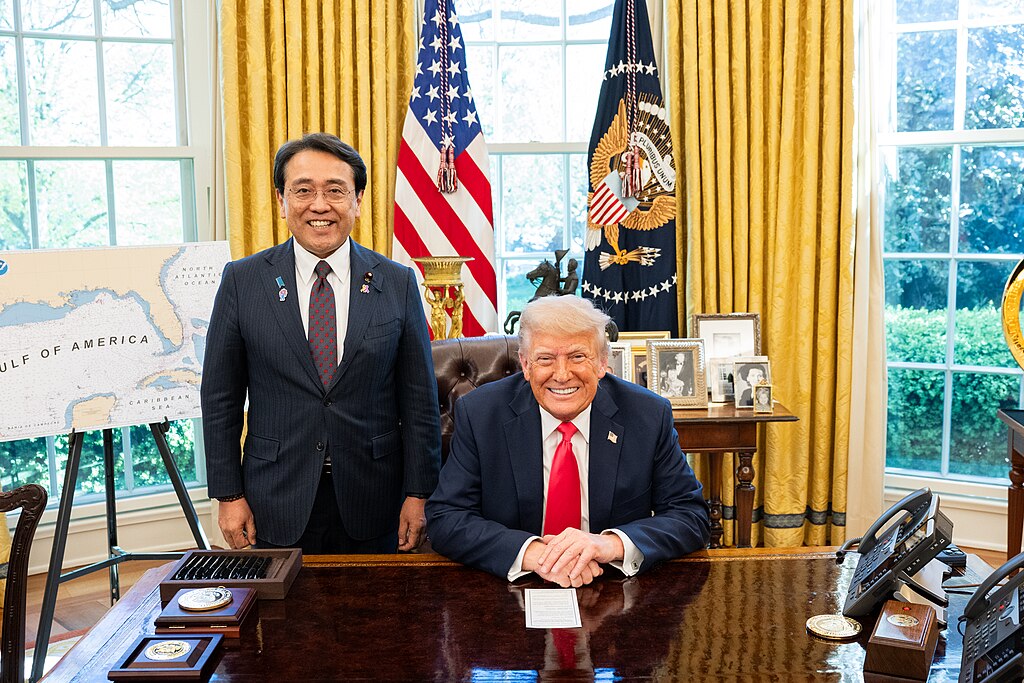
Japan reported some progress in its fifth round of trade talks with the United States aimed at resolving tariffs that are damaging its economy, according to Tokyo’s chief tariff negotiator Ryosei Akazawa. Speaking in Washington on Friday, Akazawa confirmed that discussions with U.S. Treasury Secretary Scott Bessent and Commerce Secretary Howard Lutnick had taken place, but did not disclose specific breakthroughs.
Current U.S. tariffs on Japanese autos, auto parts, steel, and aluminum—some reaching as high as 50%—are reportedly causing daily economic losses for Japan. A further 24% auto tariff is expected to take effect in July unless a deal is reached.
Akazawa emphasized urgency but also highlighted the need to protect national interests. “We want an agreement as soon as possible. The G7 summit is on our radar,” he said, noting that a potential meeting between President Donald Trump and Japanese Prime Minister Shigeru Ishiba at the June 15 summit could be pivotal.
Japan has floated proposals to ease tensions, including linking tariff reductions to contributions made by countries to the U.S. auto industry, according to the Asahi newspaper. Additional bargaining chips under consideration include increased agricultural imports, purchases of U.S. defense equipment, cooperation on shipbuilding technology, and adjustments to auto import standards.
Akazawa reaffirmed Japan’s stance that the imposed tariffs are “unacceptable,” despite the willingness to explore strategic concessions. This latest round of negotiations may be the final high-level engagement before the G7, setting the stage for a potential diplomatic breakthrough.
The outcome of these discussions could significantly impact U.S.-Japan trade relations and the global automotive market.