Japanese Prime Minister Shigeru Ishiba confirmed on Tuesday that Japan and the United States have not yet reached a deal on trade tariffs, despite ongoing negotiations. Speaking after the G7 summit, Ishiba noted persistent disagreements, especially regarding U.S.-imposed tariffs that continue to affect key Japanese sectors, notably the automobile and steel industries.
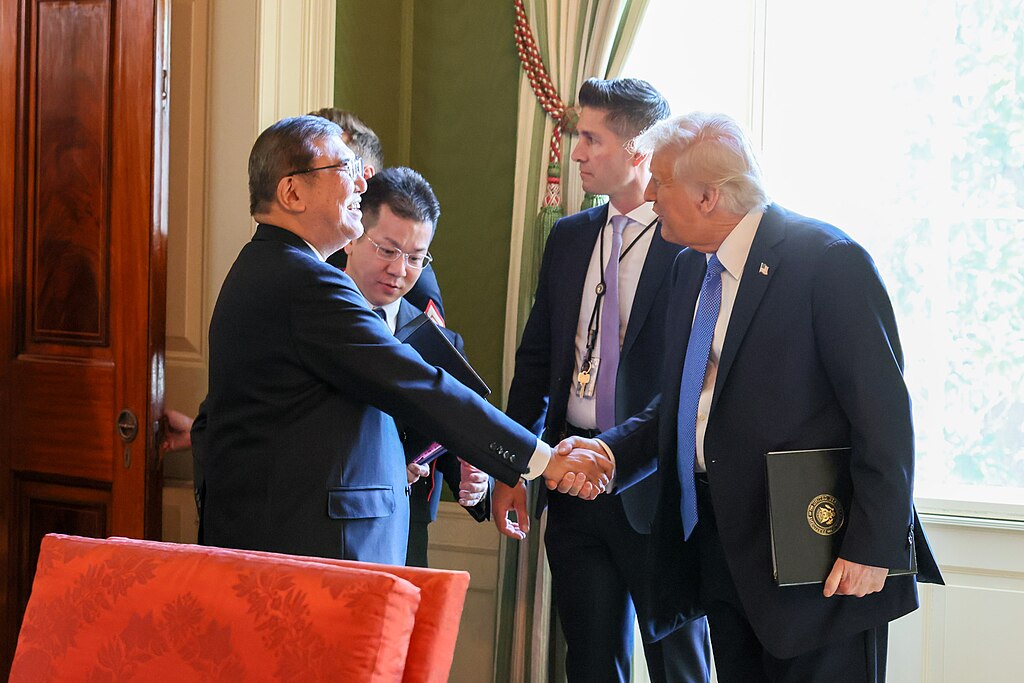
The U.S. currently maintains 25% duties on Japanese cars and steel—measures that have drawn criticism from Japanese officials. Automakers in particular have reported negative impacts on production and exports. Ishiba stated that discussions with U.S. President Donald Trump, held during the G7 summit on Monday, failed to produce any resolution, although talks are expected to continue.
Tokyo has been pushing for a complete exemption from the sweeping U.S. tariffs, which form part of Trump’s broader protectionist policy agenda. Without a trade agreement, Japan faces the risk of additional tariffs starting in early July. These levies are part of what Trump has dubbed “liberation day” tariffs, targeting multiple countries simultaneously and aimed at narrowing America’s trade deficit.
With only weeks remaining before the new tariffs take effect, Japanese ministers are under pressure to strike a deal that shields domestic industries while preserving critical trade ties with the U.S.—its largest trading partner. The delay in reaching a resolution has fueled uncertainty across Japan’s manufacturing sector and heightened concerns over broader economic repercussions.
As the trade deadline approaches, global markets and multinational firms are closely watching for any breakthroughs. A failure to reach an agreement could escalate trade tensions and reshape economic relations between the two allies, particularly in key export-driven industries like autos and steel.