Japan is urging stronger domestic ownership of government bonds to stabilize long-term interest rates, according to a draft of its latest economic policy guidelines reviewed by Reuters. The move comes amid concerns that supply-demand imbalances are fueling a surge in yields, especially on super-long Japanese government bonds (JGBs).
While short-term bond yields remain steady due to fading expectations of immediate rate hikes, long-term JGB yields hit record highs in May. This was driven in part by political calls for expanded fiscal spending, which alarmed investors about Japan’s worsening fiscal health.
To address market instability, the government is considering reducing the issuance of super-long bonds. The draft policy emphasizes creating a stable environment for government bond issuance and reinforces Japan’s commitment to fiscal discipline.
The draft maintains Japan’s long-standing goal of achieving a primary budget surplus by fiscal years 2025 to 2026. However, it also suggests that the target timeline may need reassessment due to uncertainties surrounding U.S. tariff policies and their potential impact on Japan’s economy and fiscal plans.
The primary budget surplus, which excludes debt servicing and new bond sales, remains a key indicator of fiscal sustainability. Yet political pressures, particularly from opposition parties seeking increased spending, could delay the timeline.
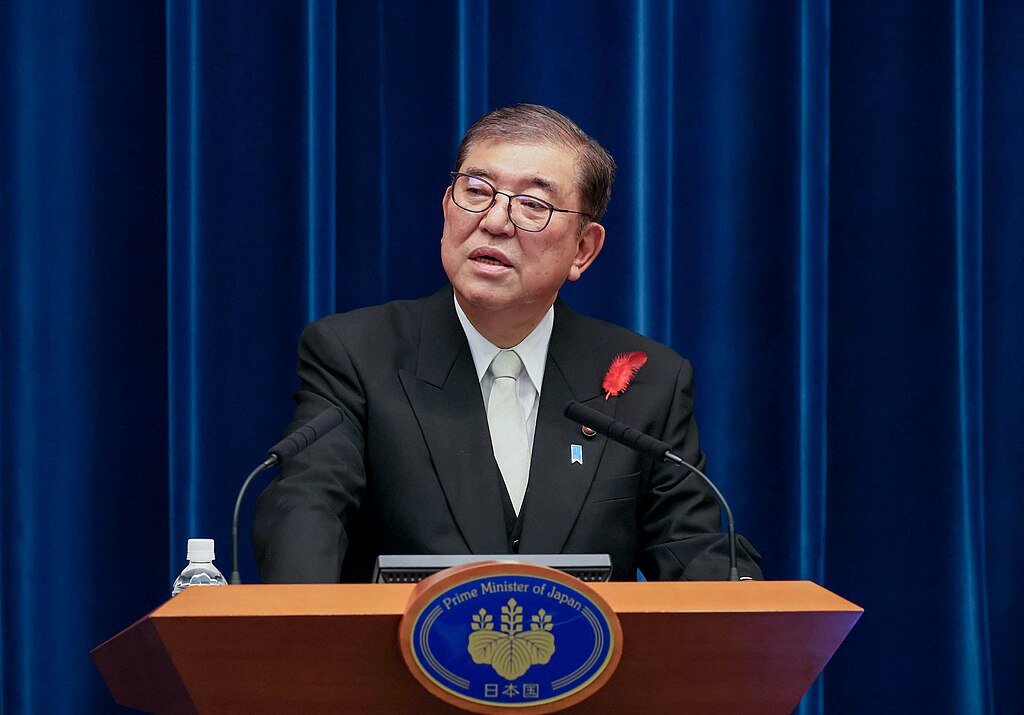
Prime Minister Shigeru Ishiba’s minority government faces mounting challenges in balancing fiscal consolidation with political demands. Nonetheless, the draft underscores the importance of reducing reliance on debt and sustaining market confidence in Japan’s fiscal management.
As global economic volatility persists, Japan’s strategy highlights the critical need for sound domestic financial support and disciplined bond issuance to mitigate risks and ensure long-term economic stability.