


 RBA Signals More Rate Hikes as Inflation Risks Rise
  Airbus Tests Valkyrie Combat Drone in Europe for Eurofighter Integration
  Gold Prices Rebound as Dollar Weakens Ahead of US Inflation Data
  Morgan Stanley Predicts $10 Trillion RWA Market by 2030
  US Dollar Rises for Fourth Week as Fed Rate Hike Bets Grow
  European Auto Stocks Rise as EU-China Trade Deal Targets Hybrid Imports
  US Stock Futures Rise as Oil Prices Fall Ahead of Q3 Earnings
  S&P 500 Rally Masks Losses for Over 40% of Stocks in 2026
  Ethereum Foundation-Linked Wallets Move $11.13M in ETH to Kraken
  Epic Games Delays Disney Shooter, Shifts to AI-First Development
  Moonshot AI Executives Seek Settlement Ahead of Hong Kong IPO
  Global Stocks Mixed as Oil Falls Ahead of US Earnings
  Arthur Hayes Announces FLOP Testnet Launch Within Weeks
  Deutsche Bank CEO Urges Faster German Economic Reforms
  Canton Network Expands in South Korea With Major Partnerships
  Philippines Current Account Deficit Seen at $19.1 Billion in 2026
  Elon Musk Donates $366 Million to 2026 US Midterms


 Add as a preferred source on Google
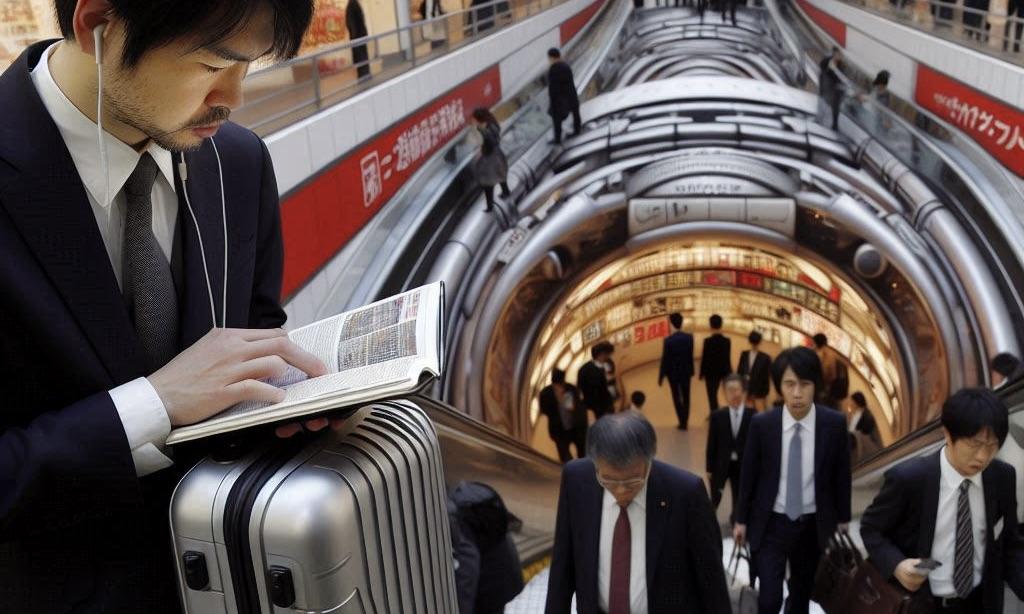
A recent Kyodo News survey shows that 70% of major Japanese companies expect economic growth next year, down from 80% a year ago. Concerns over inflation and the weak yen's impact on consumer spending drive this optimism decline among Japanese firms.
Japanese Companies Lower Economic Growth Expectations Amid Inflation and Weak Yen, Survey Reveals
A Kyodo News survey conducted on August 11 revealed that approximately 70% of major Japanese companies anticipate the expansion of the country's economy in the upcoming year, a decrease from approximately 80% a year ago. This decrease is attributed to concerns regarding inflation and the impact of a weaker yen on personal consumption.
In the survey of 111 firms, including Toyota Motor Corp. and cosmetics manufacturer Shiseido Co., 72 percent predicted that the economy would expand solidly or grow moderately, with numerous respondents citing a recovery in consumer spending.
Although the percentage was lower than the 82 percent anticipated growth last summer, the most recent survey revealed that 23 percent expect a moderate or flattening economy, an eight-percentage point increase. This indicates that certain companies are becoming more cautious.
Eighty-four percent of those who predicted economic expansion cited a recovery in consumer spending as the reason for their response, followed by a recovery in capital spending at 79 percent and increased spending by foreign visitors at 53 percent, with multiple answers permitted.
Sixty-four percent of those who anticipated a stagnant economy attributed it to a decline in consumer spending. In comparison, 48 percent attributed it to the adverse effects of a weak yen and increasing prices.
Survey Shows 70% of Japanese Firms Report Earnings Growth, But Uncertainty Remains Over Wage Policies and Inflation
Additionally, the survey, which encompassed prominent companies in each sector, revealed that seventy percent of the firms observed an upward trend in their earnings.
Although 42 percent of the companies indicated that they intend to increase the prices of their products and services in the coming year, 76 percent were still determining their wage policy for the spring wage negotiations in 2025.
When asked about the policies that Prime Minister Fumio Kishida's government should pursue, 35% of respondents indicated that the low birthrate and aging population should be addressed. In comparison, 34% cited measures to address the weakening yen and skyrocketing prices.
Japan was the most frequently cited country or region in terms of the country or region where companies intend to concentrate their operations, capital investment, and expenditure on research and development while considering economic security by 58 percent, followed by North America at 35 percent and Southeast Asia at 32 percent.
Meanwhile, only 6% of respondents expressed a desire to prioritize China.
Of the respondents, 10% intend to expand their operations in China, 9% consider reducing their business operations, and 40% plan to maintain their current operations there.
According to Kyodo News, the survey was conducted from mid-July to early August. The results do not accurately reflect the recent, turbulent movements in the stock and foreign exchange markets, influenced by the Bank of Japan's additional interest rate increase and the increasing apprehension regarding the U.S. economy.







