Japan has agreed to a $550 billion investment package with the United States aimed at strengthening critical supply chains, particularly in semiconductors, as part of a broader tariff reduction deal. The initiative, announced by Japan’s top trade negotiator Ryosei Akazawa, combines equity, loans, and guarantees to finance projects vital to economic security.
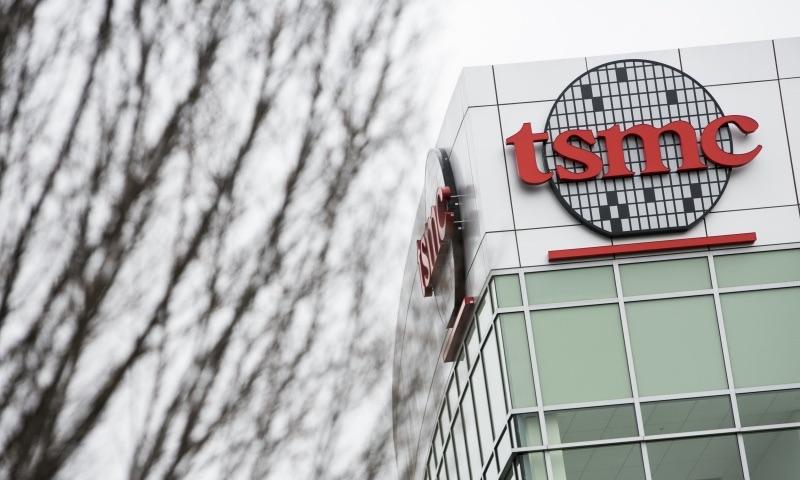
While details remain unclear, Akazawa emphasized that the program is not limited to Japanese or U.S. companies. Taiwanese chipmakers, including industry leader TSMC, could benefit if their U.S.-based plants incorporate Japanese components or serve Japanese market needs. The U.S. currently relies heavily on Taiwan for advanced chip manufacturing, a key vulnerability given regional tensions with China.
TSMC has already pledged over $165 billion for U.S. semiconductor projects, including a $100 billion commitment announced alongside President Donald Trump in March. One plant in Arizona is already operational. Japan’s funding will be managed through the Japan Bank for International Cooperation (JBIC) and Nippon Export and Investment Insurance (NEXI), both empowered by recent legal revisions to support foreign firms critical to Japan’s supply chains.
Only 1–2% of the package will involve equity, with most funds delivered via loans and guarantees. Akazawa clarified that U.S. profit retention of 90% applies only to equity returns, minimizing Japan’s losses compared to the estimated 10 trillion yen ($67.7 billion) in tariff savings secured under the deal.
Japan intends to deploy the full package during Trump’s current term, underscoring the two nations’ coordinated push to fortify semiconductor supply chains and reduce dependence on Chinese-linked manufacturing amid rising geopolitical risks.