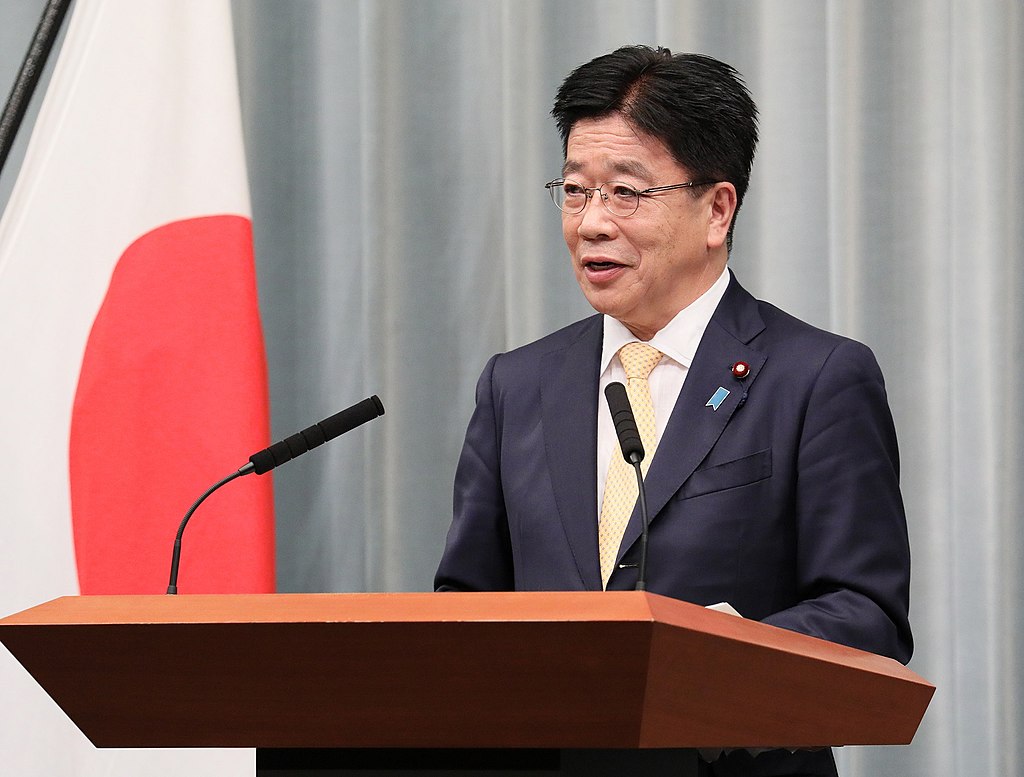
Japanese Finance Minister Katsunobu Kato emphasized the need for Japan to remain vigilant against excessive exchange-rate fluctuations that could threaten economic stability. Speaking in a statement to the International Monetary and Financial Committee on Friday, Kato highlighted growing risks in the global economy, citing the impact of trade restrictions and geopolitical tensions on both business and consumer confidence.
Kato warned that the uncertain global outlook continues to pressure economic activity, making it crucial for authorities to monitor financial risks carefully. “The outlook of the global economy is uncertain due to trade measures and geopolitical tensions, constraining the behavior of businesses and consumers,” he said.
He further noted that the global economy is undergoing profound structural transformations driven by technological advancements such as artificial intelligence, climate change challenges, and demographic shifts. These long-term changes, Kato added, present both opportunities and threats to economic stability. Failure to adapt could lead to growing social inequality and potential political instability, posing additional risks to sustainable development.
Kato underscored that financial authorities must remain alert to potential triggers that could cause sharp adjustments in global markets. “It is essential to monitor risks that could trigger major adjustments in financial markets and to guard against excessive volatility or disorderly movements in exchange rates that could undermine economic and financial stability,” he stated.
As Japan navigates a complex economic landscape, the finance minister’s remarks underline the government’s focus on maintaining stability amid global market uncertainty. His comments come as policymakers worldwide face the dual challenge of managing short-term market risks while preparing for long-term shifts driven by innovation, climate policies, and changing population dynamics.