


 Kim Jong Un Showcases ICBM Ahead of Possible Trump Meeting
  US Condemns China Sanctions on Taiwan Allies Belize and Paraguay
  Netanyahu Rejects Preemptive Iran Strike Ahead of Israel Election
  US Senate Midterms 2026: Key Races That Could Flip Control
  US Supreme Court Denies Release of Anti-ICE Activist Kyle Wagner
  UN Urges Talks on Lebanon Peacekeeping Mission Extension
  US Justice Department Drops Prosecution of Ex-CIA Analyst Sue Mi Terry
  IMF Warns US Debt Crisis Needs Fiscal Action, Urges China to Boost Consumption
  Gaza Olive Harvest Collapses as War Destroys Farmland
  Zelenskiy Says Ukraine Received No Warning Before Russian Missile Attack
  Container Ship Sinks in Strait of Hormuz as Iran Attacks Escalate
  China Resumes US Soybean Purchases After Trump-Xi Summit
  SpaceX Starlink Restrictions Disrupt Ukraine Military Operations
  Trump Denies China, Russia Are Helping Iran in War
  Italy’s Meloni Warns US-Russia Diesel Deal Could Weaken Ukraine Sanctions
  Zelenskiy Seeks New US Talks to Revive Ukraine-Russia Peace Negotiations
  Elon Musk Donates $366 Million to 2026 US Midterms


 Add as a preferred source on Google
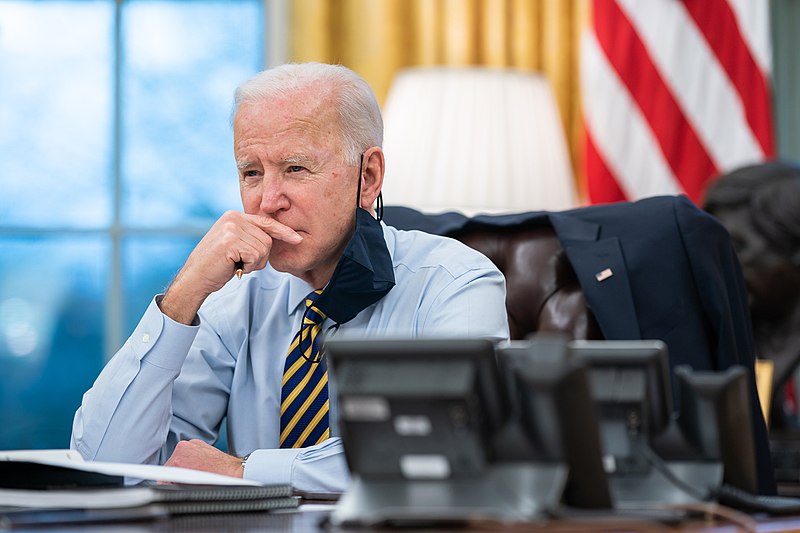
This week marks the 100th anniversary of the horrific Tulsa race massacre, one of the worst incidents of racial violence that has affected the US. In his remarks commemorating the day, Biden announced new measures that his administration plans to put forward in narrowing racial wealth disparities.
Biden visited Tulsa, Oklahoma to honor the 100th anniversary of the horrific event that took place in 1921. White supremacists attacked the Greenwood neighborhood in Tulsa, one of the wealthiest Black communities at the time. Up to 300 Black Americans were killed and 1000 homes and businesses were set on fire and looted. Since the massacre, Black Americans still face inequality and discrimination across the country’s economy, housing, banking, and employment.
During his campaign, Biden pledged to address racial wealth disparities and overall systemic racism in the country. In his speech, Biden detailed the steps his administration plans to take to address the issues. This includes creating an interagency initiative to address inequity in home appraisals, which would be led by HUD Secretary Marcia Fudge.
Biden also reversed two Fair Housing Act rules made during the Trump administration that would weaken protections that could be afforded by the law. Biden also announced the goal of increasing the share of federal contracts to small, disadvantaged businesses by 50 percent in a span of five years.
However, Biden did not mention concrete measures on two core issues on how to advance racial equity in the US economy. This includes student debt forgiveness and reparations for slavery. To note, Biden pledged during his candidacy to use federal powers to cancel thousands of dollars in student debt but his administration has yet to detail a plan or timeline in doing so.
In other news, the Biden administration has suspended oil and gas leases in the Arctic National Wildlife Refuge in Alaska, in another reversal of a Trump administration policy that allowed drilling. The order, imposed by Interior Secretary Deb Haaland, is part of a temporary moratorium on oil and gas lease activities that Biden imposed shortly after taking office in January.
The January 20 executive order suggested a new environmental review to address possible legal flaws in the drilling program approved under the Trump administration in 2017 law passed by Congress.







