


 Trump Plans White House Shake-Up of Key AI Safety Agency
  Trump Announces Massive Oil and Mineral Exploration Plans in Greenland
  MI5 Warns of Rising Iran, Russia Threats and AI Bioweapon Risks
  US Supreme Court Denies Release of Anti-ICE Activist Kyle Wagner
  US Recalls Nicaragua Envoy After Ambassador Rejection
  Elon Musk Donates $366 Million to 2026 US Midterms
  SpaceX Starlink Restrictions Disrupt Ukraine Military Operations
  Gaza Olive Harvest Collapses as War Destroys Farmland
  US Senate Midterms 2026: Key Races That Could Flip Control
  IMF Warns US Debt Crisis Needs Fiscal Action, Urges China to Boost Consumption
  India Voter List Protests Reach Supreme Court as Opposition Demands Election Chief's Resignation
  Flavio Bolsonaro Backs Brazil’s 40-Hour Workweek Reform Ahead of Runoff
  US Condemns China Sanctions on Taiwan Allies Belize and Paraguay
  Zelenskiy Seeks New US Talks to Revive Ukraine-Russia Peace Negotiations
  Trump Warns Houthis Over Attacks, Considers Erdogan Intervention
  US Justice Department Drops Prosecution of Ex-CIA Analyst Sue Mi Terry
  Jordan Bardella Antisemitism Allegations Threaten Le Pen’s Campaign


 Add as a preferred source on Google
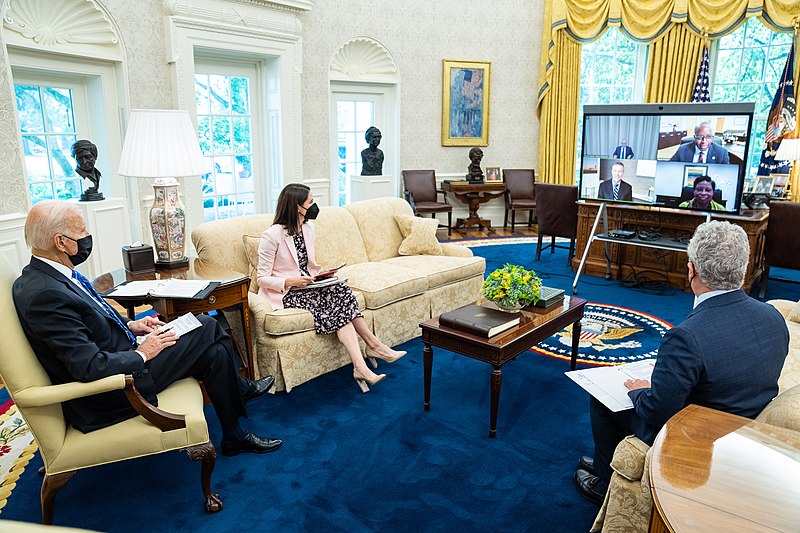
During the weekend, Tennessee experienced a major flood that devastated the entire state. US President Joe Biden immediately approved of emergency federal funding be sent to the state to provide assistance.
The White House released a statement Tuesday announcing that Biden approved federal funding to be sent to Tennessee as the state is currently experiencing the aftermath of the flood that took place Saturday. The flood in the state, according to meteorologists, resulted from historic storms and flooding and brought as much as 17 inches of rain. The inclement weather also led to power outages of hundreds of homes, as well as washed-out rural roads, state highways, and bridges.
The federal funding approved by Biden would provide assistance for residents in Humphreys county, where the downpour happened. The aid includes temporary housing and home repairs. Low-cost loans to the residents to cover uninsured property losses are also included in the funding.
While floods are a natural occurrence, scientists believe that the rainfall patterns the world is experiencing lately are due to the effects of climate change. This has also led to wet regions getting wetter while dry regions get drier because of the change in rainfall patterns. The risk of heavy rain has also been increased because of climate change.
Biden also recently made another address regarding the ongoing withdrawal in Afghanistan as tens of thousands of people are being airlifted out of the country. The US leader reiterated the urgency of getting out of the war-torn nation by the August 31 deadline, citing the risk of Islamic insurgent group Taliban along with ISIS potentially targeting Kabul airport to attack the US and NATO ally troops along with civilians hoping to flee from the regime of the Taliban.
“Every day we’re on the ground is another day that we know ISIS-K seeking to target the airport and attack both US and allies forces and innocent civilians,” said Biden in his remarks from the White House. “We are currently on pace to finish by August the 31st. The sooner we finish, the better. Each day of operations brings added risk to our troops.”







