


 US Senate Midterms 2026: Key Races That Could Flip Control
  Zelenskiy Seeks New US Talks to Revive Ukraine-Russia Peace Negotiations
  Trump Defends Russian Diesel Deal Amid US Sanctions Backlash
  Trump Denies Russia and China Are Helping Iran in U.S. Conflict
  China Resumes US Soybean Purchases After Trump-Xi Summit
  US Recalls Nicaragua Envoy After Ambassador Rejection
  US Supreme Court Denies Release of Anti-ICE Activist Kyle Wagner
  Trump Announces Massive Oil and Mineral Exploration Plans in Greenland
  Most Americans Oppose Election Betting on Prediction Markets, Poll Finds
  Gaza Olive Harvest Collapses as War Destroys Farmland
  Trump Plans White House Shake-Up of Key AI Safety Agency
  Italy’s Meloni Warns US-Russia Diesel Deal Could Weaken Ukraine Sanctions
  Elon Musk Donates $366 Million to 2026 US Midterms
  India Voter List Protests Reach Supreme Court as Opposition Demands Election Chief's Resignation
  North Korea Fires Ballistic Missiles Amid Rising Tensions With South Korea
  Trump Confirms US Intelligence Sharing With Ukraine Amid Russian Strikes
  NATO Commander Warns Russia of Devastating Response to Attack


 Add as a preferred source on Google
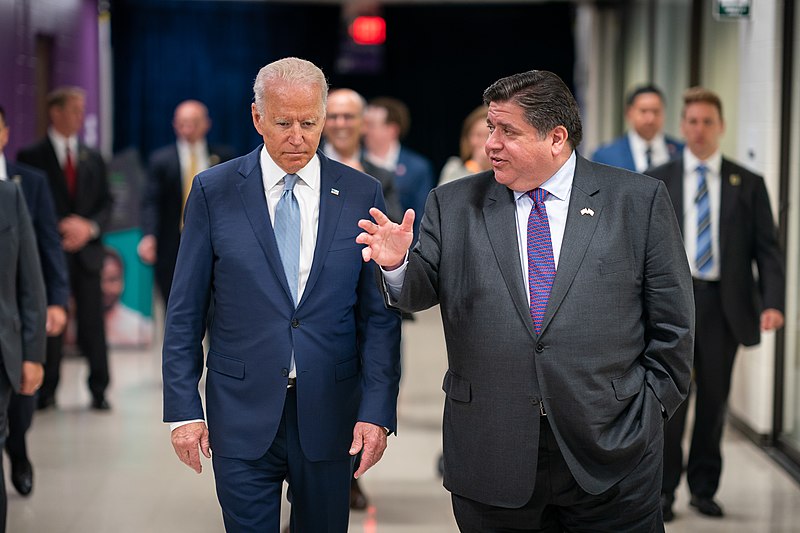
Since taking office in January, US President Joe Biden is looking to re-engage with the country’s allies in a reversal of his predecessor’s approach. When it comes to relations with the United Kingdom and Scotland, a US consulate official said that while Biden wants strong ties with both nations, he may not be supportive of Scotland breaking from the UK.
The Scotsman reports Ellen Wong, the outgoing principal officer of the US consulate in Edinburgh, said that Biden wants to have strong ties between the US, the UK, and Scotland. However, Wong hinted that Biden may be opposed to Scotland breaking from the UK, citing the need for stability. Wong, who was appointed by Biden’s predecessor Donald Trump, reportedly said that the US State Department is determined to build business along with cultural and educational ties with Scotland.
Wong added that the State Department is also reportedly monitoring the Scottish government’s position on Trident. Biden has previously raised his concerns with the UK government, reiterating that the Good Friday Agreement in Northern Ireland must not be a casualty of the Brexit movement.
“I’m not going to speak on behalf of President Biden but what I would say is you know I listed all these many ties that exist across the Atlantic and I think our priority is ensuring these ties continue to be strong and prosper,” said Wong. “Regardless of the Brexit process or any constitutional question, we want to ensure that there is domestic political and economic stability because that’s the ally that we want.”
As Biden tackles foreign policies especially surrounding Afghanistan as of late, his domestic agenda is in the balance because of divisions between moderate Democrats and progressive Democrats. This poses a problem for Democratic leadership, who leads the party’s majorities in both chambers, especially as they look to enact investments in the country’s infrastructure and social reforms.
Moderate Democrats are demanding that House Speaker Nancy Pelosi already schedule a vote on the bipartisan infrastructure bill that was passed in the Senate last week before they turn their attention to the $3.5 trillion social program bills that would be passed through party lines. The moderate faction of Democrats has also expressed their opposition to the hefty price tag of the partisan spending package like their Senate counterparts.







