


 Kim Jong Un Showcases ICBM Ahead of Possible Trump Meeting
  US Senate Midterms 2026: Key Races That Could Flip Control
  IMF Warns US Debt Crisis Needs Fiscal Action, Urges China to Boost Consumption
  Trump Denies China, Russia Are Helping Iran in War
  Trump Warns Houthis Over Attacks, Considers Erdogan Intervention
  Trump Plans White House Shake-Up of Key AI Safety Agency
  US Recalls Nicaragua Envoy After Ambassador Rejection
  US Condemns China Sanctions on Taiwan Allies Belize and Paraguay
  Zelenskiy Says Ukraine Received No Warning Before Russian Missile Attack
  Italy’s Meloni Warns US-Russia Diesel Deal Could Weaken Ukraine Sanctions
  NATO Commander Warns Russia of Devastating Response to Attack
  Jordan Bardella Antisemitism Allegations Threaten Le Pen’s Campaign
  Greenland Lawmakers Back Trump Security Deal Despite Economic Concerns
  Trump Defends Russian Diesel Deal Amid US Sanctions Backlash
  Flavio Bolsonaro Backs Brazil’s 40-Hour Workweek Reform Ahead of Runoff
  China Resumes US Soybean Purchases After Trump-Xi Summit
  Zelenskiy Seeks New US Talks to Revive Ukraine-Russia Peace Negotiations


 Add as a preferred source on Google
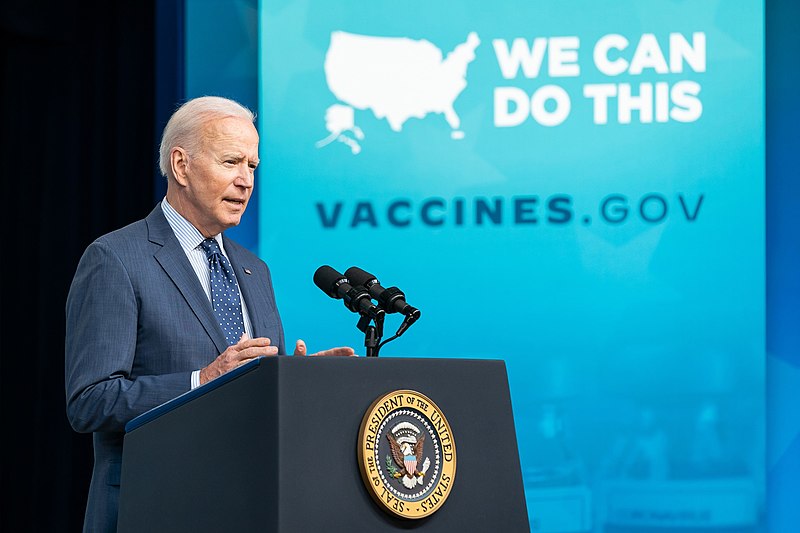
International and domestic travel amongst countries during the ongoing COVID-19 pandemic has already begun, but the recent discovery of another strain of the virus may pose a challenge to the progress. US President Joe Biden’s administration has announced that it will impose travel restrictions on eight African countries following the discovery of the new COVID-19 variant.
Senior Biden administration officials revealed that the White House would be imposing travel restrictions to eight countries in Africa following the emergence of the new COVID-19 variant. In accordance with the advice of Chief Medical Adviser Dr. Anthony Fauci and the CDC, the restrictions will apply to South Africa, Botswana, Zimbabwe, Namibia, Lesotho, Eswatini, Mozambique, and Malawi. The restrictions will come into effect starting Monday.
While the restrictions will not apply to Americans or lawful permanent residents, international travelers must show proof of a negative COVID-19 test before traveling. Biden has also urged Americans to receive their booster shots and for those who are unvaccinated to get inoculated as soon as possible to be able to spend the upcoming Christmas holidays with added protection.
Biden also called on other nations to provide their share of vaccines, saying that the new variant is a clear sign of “why this pandemic will never end until we have global vaccinations.”
The World Health Organization released a statement regarding the new Omicron variant of the coronavirus, saying that the new strain is a “variant of concern,” with initial evidence suggesting a high probability of reinfection compared to other coronavirus variants.
Aside from the US, other countries like the UK have also imposed travel restrictions on the same countries.
In other related news, Biden may be faced with another foreign policy crisis as the buildup of Russian troops to the border it shares with Ukraine may force the US leader to take on a balancing act regarding its approach towards both countries, according to Newsweek.
This follows increased tensions at the Russia-Ukraine border, especially as NATO secretary-general Jens Stoltenberg warned Moscow last week that there is a risk of a miscalculation. At the same time, Ukrainian President Volodymyr Zelensky said that his country was prepared in case of an escalation. Ukraine is also looking to join the NATO alliance as well, a move that Russia has warned the alliance against making.
According to Georgetown Professor and expert Iulia Joja, the Biden administration faces a dilemma on how to help Ukraine without facing the threat of an escalation from Russia.







