


 Vietnam, U.S. Firms Plan 29 Deals Across Energy, Tech and Aviation
  Lula, Flavio Bolsonaro Deadlocked in Brazil Election Polls
  Nvidia-Groq AI Chip Deal Faces U.S. Antitrust Probe
  Trump Administration Removes Confederate Memorial Criticism From Arlington Website
  Saudi Arabia Raises Security Alerts as Houthi Attacks Threaten Oil Routes
  Australia Defends Social Media Algorithm Law Amid US Concerns
  Synthetic data could ease people’s concerns about privacy breaches. But who gets to create it?
  Trump Grants Clemency to Jay-Z Associate Emory Jones
  Countries Tighten Social Media Bans for Children
  U.S. Imposes New Visa Restrictions Over South Africa Policies
  US Sailor’s Father Detained by Immigration Authorities
  Ukraine Races to Counter Russia’s Faster Jet-Powered Drones
  FDA Weighs Safety Standards for Psychedelic Therapies
  Australia Plans New Rules Giving Users Control Over Social Media Feeds
  SEC Probes Banks Over Situational Awareness Hedge Fund Collapse
  Global Poll Shows Rising Trust in Institutions as US-China Leadership Support Falls
  US Immigration Arrests Surge as Deportations Lag Behind


 Add as a preferred source on Google
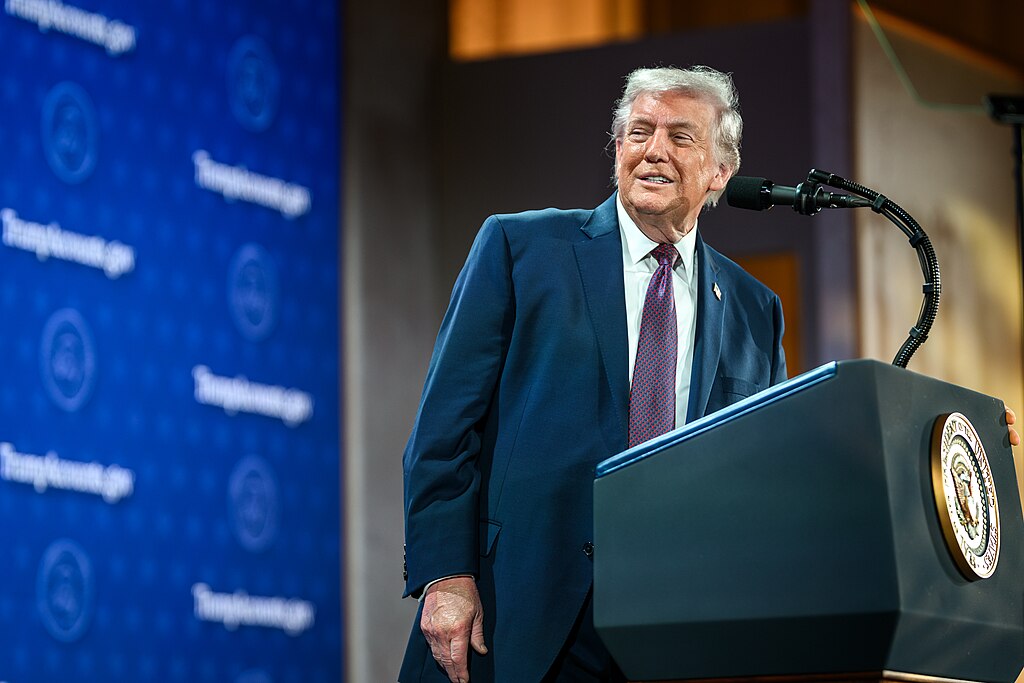
The Trump administration is preparing to deport a group of Iranian migrants, along with nationals from several other countries, to the Central African Republic (CAR) under a controversial third-country deportation agreement, according to sources familiar with the matter.
Among those facing removal are two Iranian women who have been granted legal protections in the United States after immigration judges determined they would likely face persecution or torture if returned to Iran. Their attorney, Emily Trostle, said one woman is a Christian convert, while the other is a pro-democracy activist, both belonging to groups considered vulnerable under Iran’s government.
The women arrived in the United States in November 2024 and later applied for asylum. Although they received withholding of removal protection, a legal status that prevents deportation to a country where an individual faces serious harm, they may still be transferred to a third country under current U.S. immigration policies.
Sources told Reuters that the first deportation flight to the Central African Republic could carry around 20 migrants, including individuals from Iran, Syria, Afghanistan, and Turkey. One Turkish national reportedly faces political persecution in his home country and may also be included on the flight.
The Trump administration has increasingly relied on third-country deportation agreements to remove migrants who cannot legally be sent back to their countries of origin. Critics argue that these arrangements lack transparency and may expose vulnerable migrants to unsafe conditions.
Under the agreement, deportees are expected to be housed in apartments in Bangui, the capital of the Central African Republic. Officials indicated that they are not expected to be immediately repatriated, though hundreds of migrants could eventually be relocated there under the program.
The Central African Republic remains one of the world’s poorest nations and has experienced decades of political instability, armed conflict, and humanitarian crises. Despite recent peace agreements and international security support, concerns remain over the safety and long-term welfare of migrants transferred to the country.
Human rights advocates have criticized the policy, arguing that relocating asylum seekers and protected migrants to unstable countries raises serious legal and humanitarian concerns. The International Organization for Migration (IOM) said it would provide voluntary post-arrival humanitarian assistance in Bangui but emphasized that it is not involved in carrying out the deportations.







