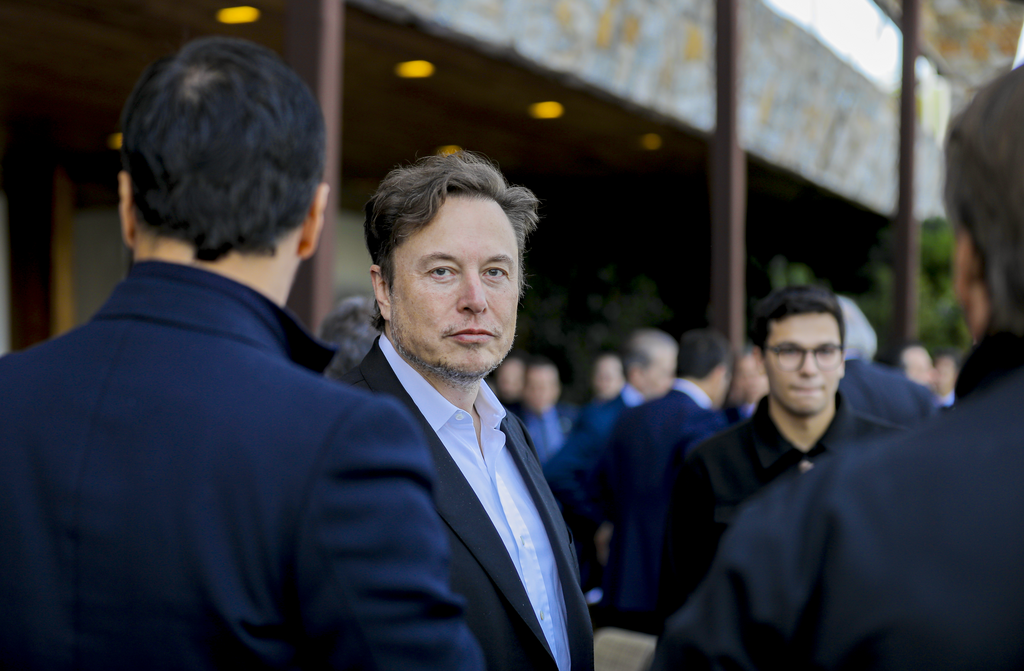
A federal judge has ruled that a lawsuit brought by 14 U.S. states challenging Elon Musk’s role in the Department of Government Efficiency (DOGE) under President Donald Trump can move forward. The states allege that Musk, CEO of Tesla (NASDAQ:TSLA), acted beyond his legal authority as a “special Government employee” in a role resembling a top federal officer within an agency lacking congressional approval.
The lawsuit contends that DOGE, established by executive order without legislative oversight, allowed Musk to exert wide-ranging control over federal spending, staffing, and regulatory decisions. Plaintiffs argue that Musk and the DOGE initiative dismantled existing agencies, canceled federal contracts, and accessed protected government systems—all without proper constitutional authority.
In a 42-page opinion, Judge Tanya S. Chutkan denied the defendants’ motion to dismiss the lawsuit. She stated the plaintiffs presented credible “ultra vires” claims, indicating that DOGE’s operations and Musk’s influence may have violated the Constitution’s Appointments Clause. The court emphasized the agency’s lack of statutory grounding and questioned the legitimacy of Musk’s federal role.
However, claims against President Trump in his official capacity were dismissed. The judge cited legal precedent that protects presidential discretionary powers from judicial intervention.
This ruling marks a significant development in a high-profile legal battle involving questions of executive power, constitutional limits, and the unprecedented appointment of a private tech executive to a powerful federal post. The outcome of the case could have far-reaching implications for the separation of powers and the role of unelected officials in U.S. governance.
With Elon Musk’s increasing entanglement in federal policy, this lawsuit may become a pivotal test case for how far executive authority can extend without congressional oversight or constitutional adherence.