


 NATO Commander Warns Russia of Devastating Response to Attack
  Trump Sanctions International Criminal Court, Sparking EU Backlash
  Most Americans Oppose Election Betting on Prediction Markets, Poll Finds
  Kim Jong Un Showcases ICBM Ahead of Possible Trump Meeting
  Elon Musk Donates $366 Million to 2026 US Midterms
  European Auto Stocks Rise as EU-China Trade Deal Targets Hybrid Imports
  Yandex Data Center Hit by Drone Strike as Russia-Ukraine Cyber Infrastructure Attacks Escalate
  Russian Strikes Kill Six in Ukraine, Including Three in Kharkiv
  India Voter List Protests Reach Supreme Court as Opposition Demands Election Chief's Resignation
  Greenland Lawmakers Back Trump Security Deal Despite Economic Concerns
  US Authorities Raid Ilhan Omar’s Home Amid Immigration Fraud Probe
  Jordan Bardella Antisemitism Allegations Threaten Le Pen’s Campaign
  Panama Declares Emergency After 7.7 Earthquake Triggers 200 Aftershocks
  North Korea Fires Ballistic Missiles Amid Rising Tensions With South Korea
  Trump Announces Russia-Ukraine Energy Ceasefire as Zelenskiy Awaits Details
  Trump Defends Russian Diesel Deal Amid US Sanctions Backlash
  Trump Plans White House Shake-Up of Key AI Safety Agency


 Add as a preferred source on Google
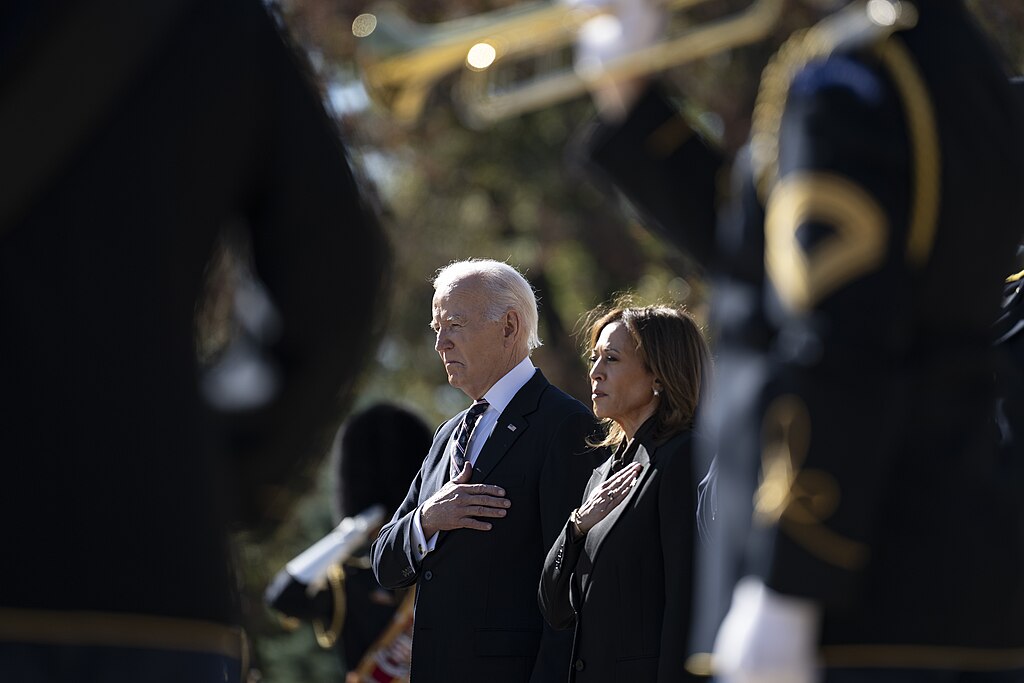
Harris’s campaign, which faced waning public support and fundraising difficulties, reportedly used private jets extensively during its closing stretch. Critics argue the spending stands in stark contrast to her public advocacy for environmental sustainability. The large carbon footprint of private jets, combined with the campaign’s apparent financial struggles, has drawn sharp criticism from both political rivals and environmental activists.
“This kind of lavish spending is a slap in the face to voters who are struggling to make ends meet,” one political analyst said. “It raises serious questions about priorities and judgment during a critical period of the campaign.”
The spending comes at a time when private jet use among public officials and politicians has become a contentious issue, often viewed as emblematic of privilege and hypocrisy. Harris has previously been a vocal advocate for reducing greenhouse gas emissions and transitioning to renewable energy sources, making the revelation particularly controversial.
Defending the Strategy
Supporters of the Harris campaign have defended the spending, arguing that private air travel was necessary to maximize her outreach efforts during a demanding schedule. They point out that commercial travel logistics often hinder campaign efficiency, particularly when visiting multiple states within a single day.
“This is standard practice for many campaigns, especially those with a national focus,” one insider remarked. “The scrutiny is exaggerated because of Harris’s high profile.”
Even so, the spending has provided political ammunition for Harris’s opponents, who have called it a prime example of out-of-touch leadership.
Impact on Public Perception
The news comes as Harris continues to grapple with her public image, which has been a topic of debate throughout her tenure as vice president. While her supporters emphasize her accomplishments and groundbreaking role as the first female vice president, critics often highlight missteps and controversies, including reports of staff turnover and campaign mismanagement.
Political analysts suggest that the timing of this report could further complicate Harris’s efforts to maintain public trust. “In a political environment where authenticity and relatability are paramount, this kind of news can be damaging,” one expert noted.
Environmental Hypocrisy Charges
Environmental groups have also weighed in, highlighting the contradiction between Harris’s private jet use and her climate advocacy. A recent study shows that private jets emit 10 times more carbon dioxide per passenger than commercial flights, adding fuel to accusations of hypocrisy.
As these criticisms mount, the Harris campaign’s spending choices are likely to remain a contentious point of discussion, potentially influencing future campaign strategies and public narratives.







