


 India Voter List Protests Reach Supreme Court as Opposition Demands Election Chief's Resignation
  US Authorities Raid Ilhan Omar’s Home Amid Immigration Fraud Probe
  Djibouti Migrant Boat Capsizes, Killing 139 and Leaving 84 Missing
  Trump Plans White House Shake-Up of Key AI Safety Agency
  North Korea Fires Ballistic Missiles Amid Rising Tensions With South Korea
  NATO Commander Warns Russia of Devastating Response to Attack
  Yandex Data Center Hit by Drone Strike as Russia-Ukraine Cyber Infrastructure Attacks Escalate
  Houthis Warn Saudi Airports After Deadly Riyadh Attack
  Elon Musk Donates $366 Million to 2026 US Midterms
  UK Finance Minister Healey Calls for Fiscal Discipline Amid Global Risks
  Brazil Election: Lula and Bolsonaro Rally Ahead of October 25 Runoff
  Russian Strikes Kill Six in Ukraine, Including Three in Kharkiv
  Trump Denies Russia and China Are Helping Iran in U.S. Conflict
  US Condemns China Sanctions on Taiwan Allies Belize and Paraguay
  Trump Calls for Zelenskyy Replacement Amid Russian Diesel Deal
  Kim Jong Un Showcases ICBM Ahead of Possible Trump Meeting
  Jordan Bardella Antisemitism Allegations Threaten Le Pen’s Campaign


 Add as a preferred source on Google
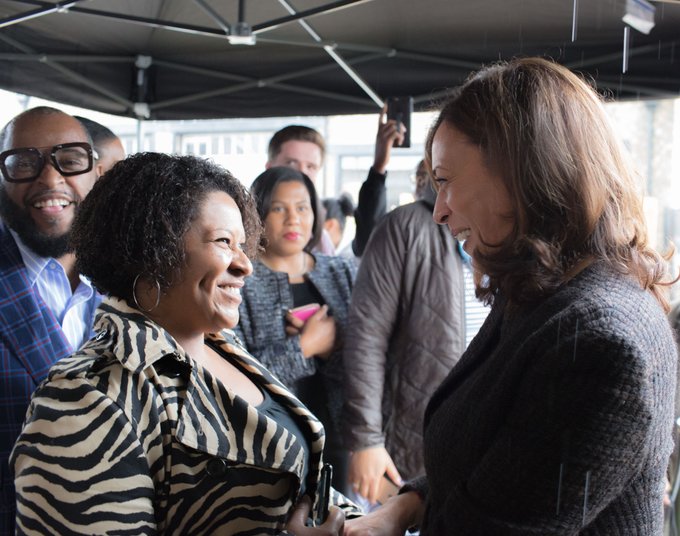
Vice President Kamala Harris is reportedly struggling to gain traction among Hispanic voters, falling behind both Hillary Clinton and Joe Biden, according to a recent ABC News poll. The data suggests that Harris, once seen as a rising star within the Democratic Party, has not secured the same level of support from the Hispanic community as her predecessors. This could pose challenges for her potential 2024 presidential run, as the Hispanic vote is critical to Democratic electoral success.
The poll highlights a significant gap between Harris and her party peers. Joe Biden, despite mixed approval ratings, continues to hold a stronger position among Hispanic voters, a crucial demographic that helped him secure the presidency in 2020. Hillary Clinton, though no longer in active politics, also polls higher than Harris with this key voting bloc, raising concerns about Harris's ability to appeal to the broader electorate.
Hispanics represent one of the fastest-growing voter groups in the U.S., and their support is vital for any candidate hoping to win the Democratic nomination and, ultimately, the general election. While Harris has attempted to engage with this community through policy initiatives and outreach, the polling numbers suggest that her efforts may not be resonating as strongly as needed.
Political analysts attribute Harris’s challenges with Hispanic voters to a variety of factors, including her visibility on key issues and her association with the Biden administration's handling of immigration and economic policies. Some believe that Biden’s leadership, especially in critical areas like job creation and immigration reform, has helped maintain his support, while Harris has yet to establish a unique identity among this constituency.
The 2024 election will likely hinge on candidates’ ability to connect with diverse voter bases, including Hispanics. If Harris plans to run for president, she will need to close the gap in support and strengthen her outreach to this pivotal demographic. Whether she can overcome these obstacles remains to be seen as the election season progresses.







