


 Trump Plans White House Shake-Up of Key AI Safety Agency
  Most Americans Oppose Election Betting on Prediction Markets, Poll Finds
  Trump Announces Russia-Ukraine Energy Ceasefire as Zelenskiy Awaits Details
  India Voter List Protests Reach Supreme Court as Opposition Demands Election Chief's Resignation
  Russian Strikes Kill Six in Ukraine, Including Three in Kharkiv
  Houthis Warn Saudi Airports After Deadly Riyadh Attack
  Trump Announces Russia-Ukraine Energy Ceasefire Amid U.S. Pressure on Kyiv
  Pakistan Declares Emergency in Khyber Pakhtunkhwa, Suspends Imran Khan’s PTI Government
  US Condemns China Sanctions on Taiwan Allies Belize and Paraguay
  Trump Sanctions International Criminal Court, Sparking EU Backlash
  Zelenskiy Offers Russia Energy Truce Amid Trump Pressure
  NATO Commander Warns Russia of Devastating Response to Attack
  UK Finance Minister Healey Calls for Fiscal Discipline Amid Global Risks
  Trump Defends Russian Diesel Deal Amid US Sanctions Backlash
  European Auto Stocks Rise as EU-China Trade Deal Targets Hybrid Imports
  Mahmoud Abbas Postpones Palestinian Elections to September 2027
  North Korea Fires Ballistic Missiles Amid Rising Tensions With South Korea


 Add as a preferred source on Google
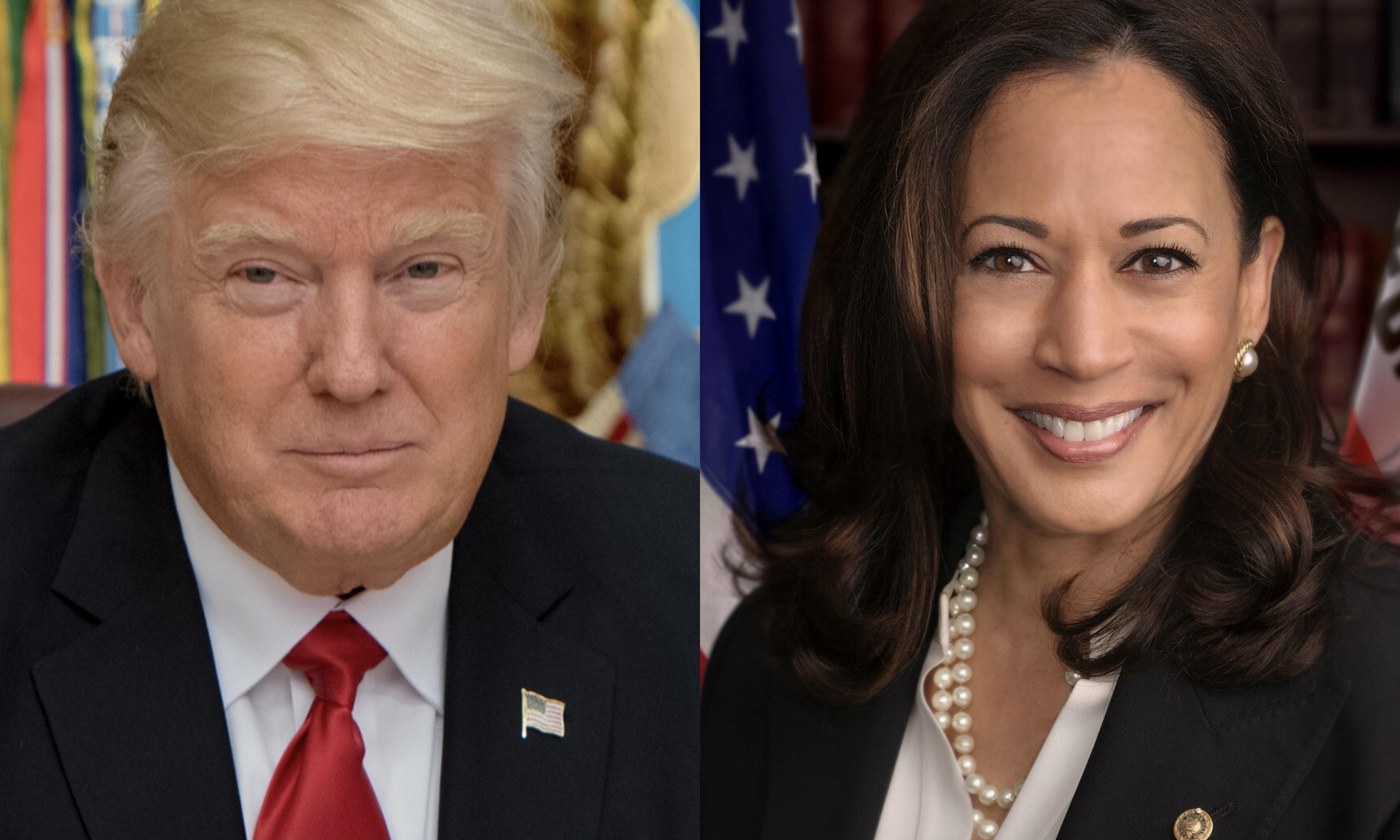
Foreign nationals, including citizens of Austria, have raised concerns about an alleged scheme encouraging non-U.S. citizens to register and vote in upcoming U.S. presidential elections. Reports suggest that Democratic-affiliated organizations, such as "Vote from Abroad," are running advertisements in foreign countries, prompting individuals to request ballots for participation in U.S. elections.
These allegations, which remain unverified, have ignited controversy over the integrity of the electoral process. Critics claim such actions could undermine the democratic principles of the U.S. election system by encouraging non-citizen participation.
“Vote from Abroad,” which claims to assist eligible U.S. citizens living overseas, is reportedly running ads that have caused confusion and sparked concern among foreign residents. Critics assert that these efforts are designed to manipulate the election by targeting non-citizens, raising questions about the legality and ethics of these practices.
Proponents of "Vote from Abroad" argue that their mission is focused solely on helping expatriate Americans engage in the voting process, not non-U.S. citizens. However, these reports, if substantiated, could complicate the organization’s reputation and mission as critics continue to scrutinize the tactics being used.
With the 2024 U.S. presidential election approaching, concerns over election security and the legitimacy of voting processes have only intensified. The notion that foreign nationals might be involved in U.S. elections, intentionally or unintentionally, poses potential risks to public confidence in electoral integrity. Election officials and watchdog groups are likely to look into the reports to verify the scope and accuracy of these claims.
As of now, there is no official response from authorities regarding any investigation into these allegations. Whether or not the claims prove valid, the controversy adds to ongoing debates over voter eligibility, foreign interference, and election security in the United States.







