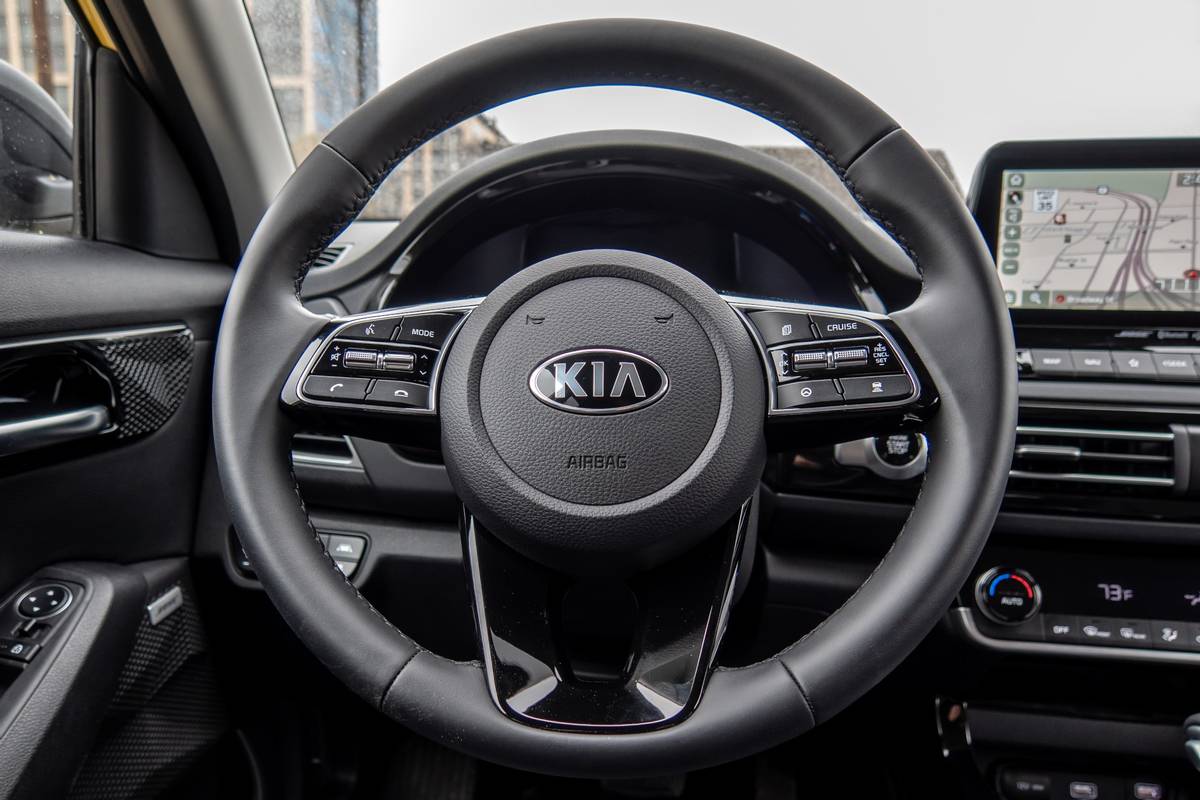
South Korean carmaker Kia will invest 10 billion won into local fintech company Bank Salad to reshuffle its business into providing innovative mobility solutions.
The companies will develop mobility industry technology such as open data platforms for cars and connected cars.
They will also offer insurance services combining consumer’s purchase data from Kia and personal finance data from Bank Salad, and MyData, a government-led project to collect and analyze finance data.
Bank Salad obtained a license as a MyData service provider last month from the country‘s financial regulator, the Financial Services Commission.
As of July, Bank Salad had tracked as much as 410 trillion won worth of personal asset spending and budgeting.
Bank Salad‘s app has been downloaded over 8.8 million times.


Nvidia, ByteDance, and the U.S.-China AI Chip Standoff Over H200 Exports
Japan Economy Poised for Q4 2025 Growth as Investment and Consumption Hold Firm
SpaceX Prioritizes Moon Mission Before Mars as Starship Development Accelerates
Fed Governor Lisa Cook Warns Inflation Risks Remain as Rates Stay Steady
CK Hutchison Launches Arbitration After Panama Court Revokes Canal Port Licences
Toyota’s Surprise CEO Change Signals Strategic Shift Amid Global Auto Turmoil
Silver Prices Plunge in Asian Trade as Dollar Strength Triggers Fresh Precious Metals Sell-Off
Global Markets Slide as AI, Crypto, and Precious Metals Face Heightened Volatility
Prudential Financial Reports Higher Q4 Profit on Strong Underwriting and Investment Gains
Thailand Inflation Remains Negative for 10th Straight Month in January
Weight-Loss Drug Ads Take Over the Super Bowl as Pharma Embraces Direct-to-Consumer Marketing
Uber Ordered to Pay $8.5 Million in Bellwether Sexual Assault Lawsuit
Dow Hits 50,000 as U.S. Stocks Stage Strong Rebound Amid AI Volatility
Global PC Makers Eye Chinese Memory Chip Suppliers Amid Ongoing Supply Crunch
U.S.-India Trade Framework Signals Major Shift in Tariffs, Energy, and Supply Chains
Instagram Outage Disrupts Thousands of U.S. Users
South Korea’s Weak Won Struggles as Retail Investors Pour Money Into U.S. Stocks 


