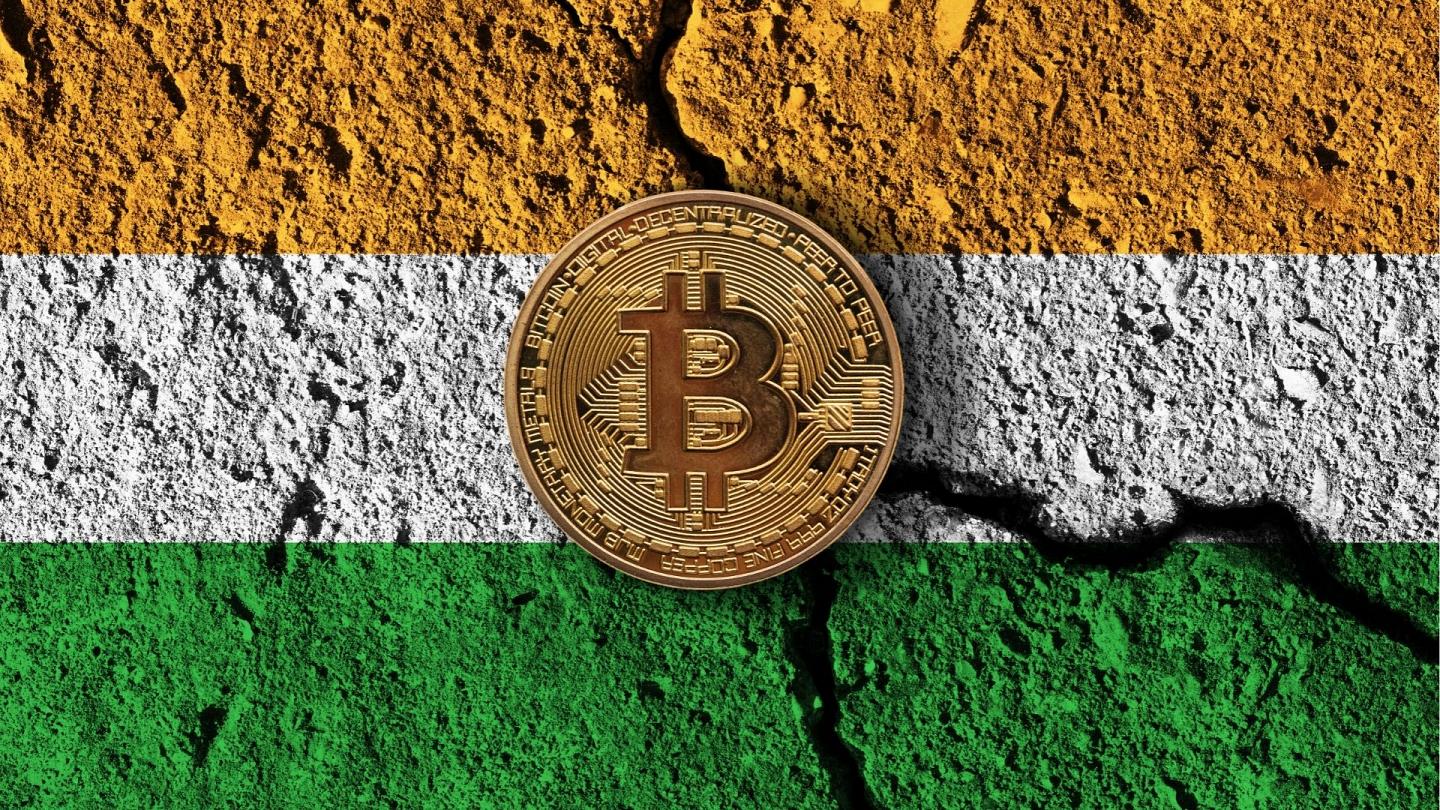
India proposed establishing a digital rupee by next year and imposing a 30 percent tax on income from digital assets transfer, such as cryptocurrencies and NFTs.
To capture crypto transaction details, India’s finance minister Nirmala Sitharaman also sought a 1 percent tax deduction at source on purchase of virtual assets.
The other proposals include non-deduction in any expenditure or allowance while computing such income except acquisition costs, the non-setting off of loss from digital asset transfer, and taxing the recipient of gifts of virtual digital assets.
The purchases of cryptocurrencies and NFTs are increasing in India despite regulatory uncertainty.
Binance-owned WazirX said last month that yearly trading volume on its platform surpassed $43 billion in 2021, which is a 1,735 percent growth from 2020.
India’s central bank will also introduce a digital currency in the next financial year and has been testing its CBDC through several controlled trials for several months while examining its impact on the banking and monetary systems.
Sitharaman pointed out that India’s introduction of a central bank digital currency will support the digital economy and lead to a more efficient and cheaper currency management system.
India also vowed to open up its defense’s research and development to startups and pushed to increase the reach of the internet and digital banks in its rural areas.