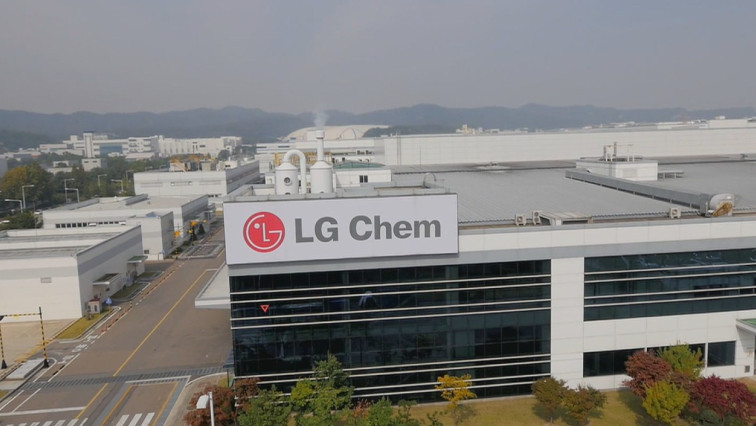
LG Chem Ltd. is spending 310 billion won to build facilities for plastic recycling and the production of a thermal insulator component in the city of Dangjin.
South Korea’s leading chemical producer said it is on track to break ground on the plant that will recycle plastic waste using supercritical pyrolysis, which is a technology that decomposes used plastic with steam at high temperature and pressure beyond a critical point.
It eventually converts the used plastic into fossil-replacement oils and chemicals that can be reprocessed into new plastics.
The planned pyrolysis plant will have an annual production capacity of 20,000 tons of oil from plastic waste.
LG Chem will also build a separate facility in the same complex to produce aerogel, a light solid material used as a thermal insulator for the transport and storage of liquid hydrogen, special clothing like spacesuits, and electric vehicle batteries.
Both facilities will go into operation in 2024.

Nikkei Hits Record High as AI Chip Stocks Power Japan Market Rally
SK Hynix Joins $1 Trillion Club as AI Chip Demand Fuels Stock Surge
Fertile land for growing vegetables is at risk — but a scientific discovery could turn the tide
Snowflake Stock Soars 30% After Q1 Earnings Beat and Major AWS AI Partnership
Oil Prices Jump After New U.S. Strikes on Iran Raise Supply Concerns
Canada and Germany Advance Major LNG Supply Partnership
Swimming in the sweet spot: how marine animals save energy on long journeys
U.S. Launches New Strikes on Iran as Trump Signals Peace Deal Uncertainty
S&P 500, Nasdaq Hit Record Highs as Iran Ceasefire Talks and AI Rally Boost Markets
GesiaPlatform Launches Carbon-Neutral Lifestyle App ‘Net Zero Heroes’
Rise of the Zombie Bugs takes readers on a jaw-dropping tour of the parasite world
Xiaomi Shares Drop After Weak Q1 Earnings Amid Rising Smartphone Costs
S&P 500 Hits Record High as Tech Rally Slows Amid Iran Peace Uncertainty
Dell Raises 2027 Revenue Forecast as AI Server Demand Drives Record Quarterly Results
An unexpected anomaly was found in the Pacific Ocean – and it could be a global time marker
New World Screwworm Found Near U.S. Border Raises Threat to Cattle Industry and Beef Prices 


