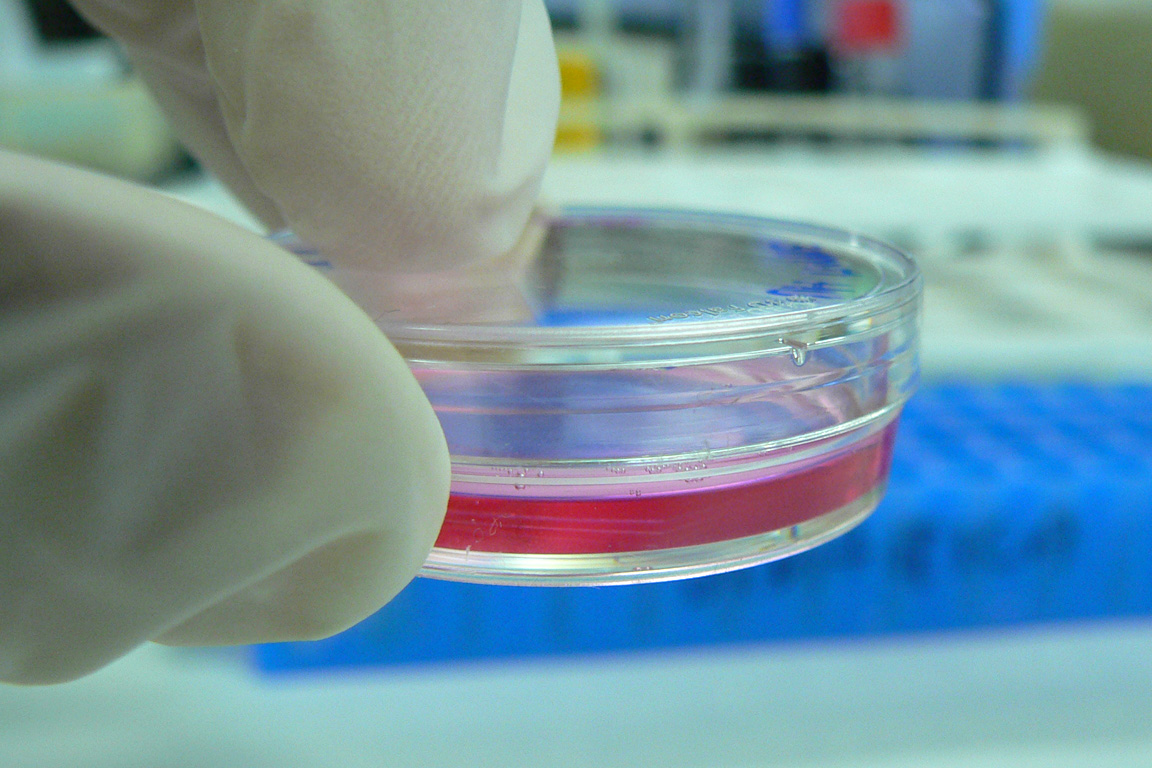
Artificial meat grown in laboratories might seem like science fiction in the minds of a lot of people, but it has quickly become a reality over the last few years. What’s more, the prices of the meats have dropped considerably. Like, 96 percent considerable. They have also become more widely available, with one startup company actually bringing lab-grown meat to grocery stores.
The first example of an actual lab meat that could be eaten in the way that most people are used to was created in 2013, Quartz reports. It was the work of Mark Post, a Dutch scientist and the co-founder of Mosa Meats.
That meat came in the form of a patty, much like the burger disks that are made of beef. It could be eaten, but the process was incredibly difficult and expensive. In fact, the lab-grown patty would have cost $1.2 million per pound, which would have made it the most luxurious food in the world. The meat also took more than three months to reach the size of an actual burger patty, so it wasn’t exactly viable.
Since then, significant strides in the creation of lab meat have been made. Not only has the price of the meat dropped significantly, the process to create one has also gotten a lot easier and more efficient.
The industry has progressed so far, in fact, that some groups have even started cultivating artificial examples of chicken meat. At this point, the ones made by Memphis Meat costs about $6,000 per pound, but that’s also expected to drop in time.
In the case of the lab meat that’s meant to mimic beef fibers, they have become as affordable as $11.36 per pound, Futurism reports. That’s still quite a bit more expensive than actual beef, but with the increase in supply, the prices are also sure to reduce.
This seems to be the direction that the industry is going as well, with the company Beyond Meat even adding its own artificial meat products to grocery stores. With the increasing awareness of the population to the harm that traditionally grown livestock inflict on the environment, demand for a kinder alternative is only expected to grow.