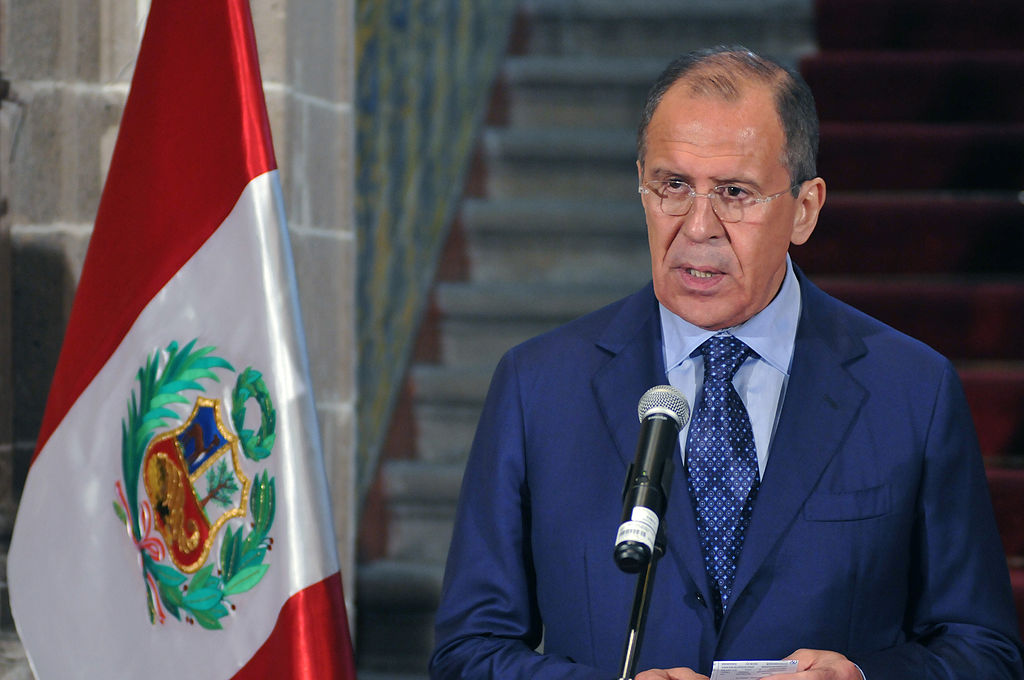
Russian Foreign Minister Sergei Lavrov has stated that Russia maintains the strategic initiative in Ukraine, emphasizing that Western nations must accept the current battlefield realities as discussions on a potential settlement continue. In an interview published late Monday by state news agency RIA, Lavrov reiterated Moscow’s position as the conflict approaches the fourth anniversary of Russia’s 2022 invasion of Ukraine.
Lavrov said the Russian army remains firmly in control of the strategic situation, claiming that both Ukraine and its Western backers are aware of this reality. He stressed that negotiations must reflect the situation on the ground, noting that Russia currently controls around 19% of Ukrainian territory. Moscow has annexed four Ukrainian regions following the invasion, in addition to Crimea, which Russia seized in 2014—moves widely rejected by Ukraine and most of the international community.
The Russian foreign minister also revealed that Moscow is still awaiting a response from the United States to President Vladimir Putin’s proposal made in September. The proposal suggests extending for one year the limits outlined in the New START strategic arms reduction treaty on a voluntary basis. Lavrov said other countries were also watching closely for Washington’s reply, adding that it would be reasonable to allow the U.S. administration time to fully review the initiative before the treaty expires.
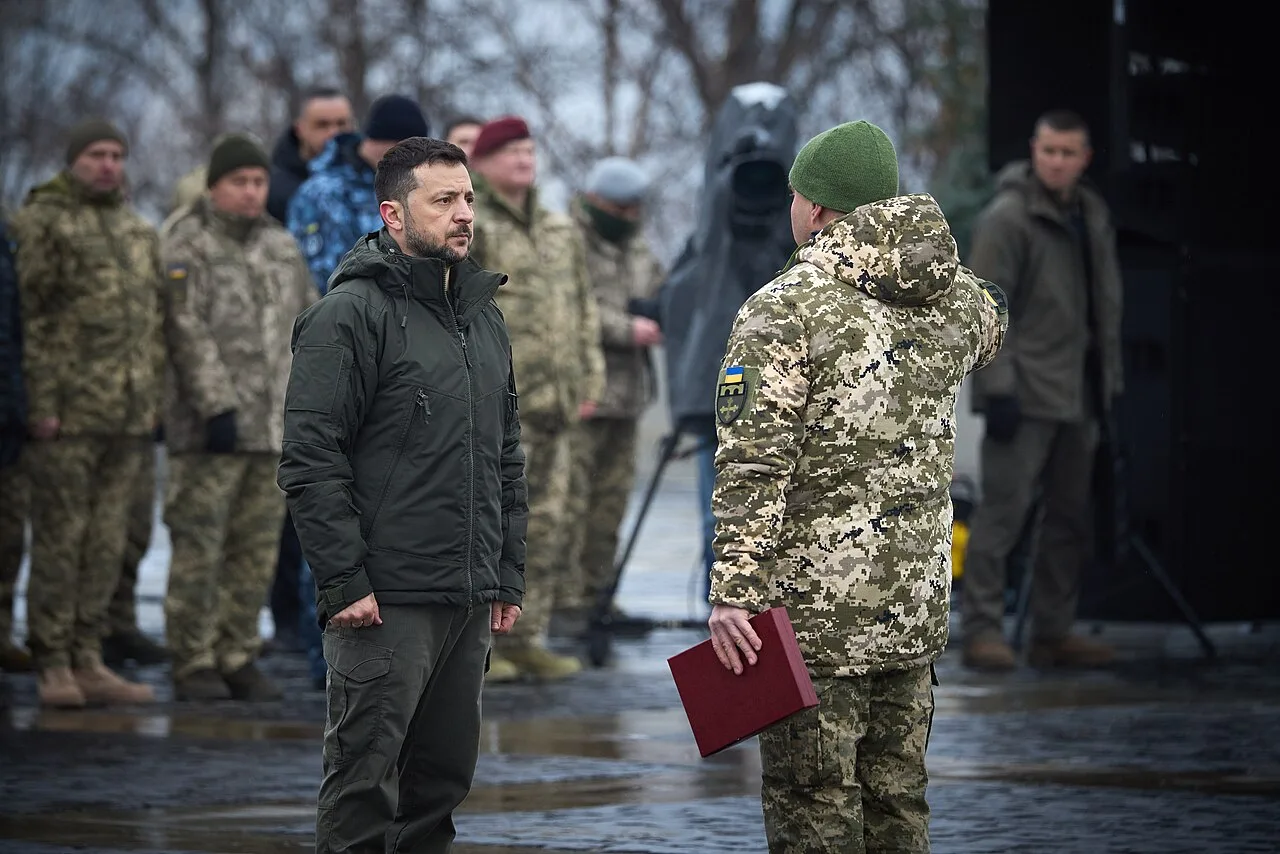
Addressing recent diplomatic contacts, Lavrov said the United States has been actively engaged in mediation efforts, pointing to ongoing telephone conversations between Washington and Moscow. He added that the U.S. supports the idea of Ukraine holding new elections following the expiration of President Volodymyr Zelenskiy’s term, a sensitive issue amid the ongoing war. Zelenskiy has maintained that elections are not feasible under martial law.
Lavrov also reaffirmed Russia’s long-standing demands for any peace settlement, including Ukraine adopting a neutral, non-aligned status and the complete exclusion of NATO presence in the country. He argued that Russia and the United States, as major nuclear powers and permanent members of the U.N. Security Council, must cooperate beyond the Ukraine conflict to uphold global security.
The comments come amid reports of continued negotiations and heightened tensions, including Moscow’s claim of an attempted Ukrainian attack on President Putin’s residence, which Kyiv has denied.