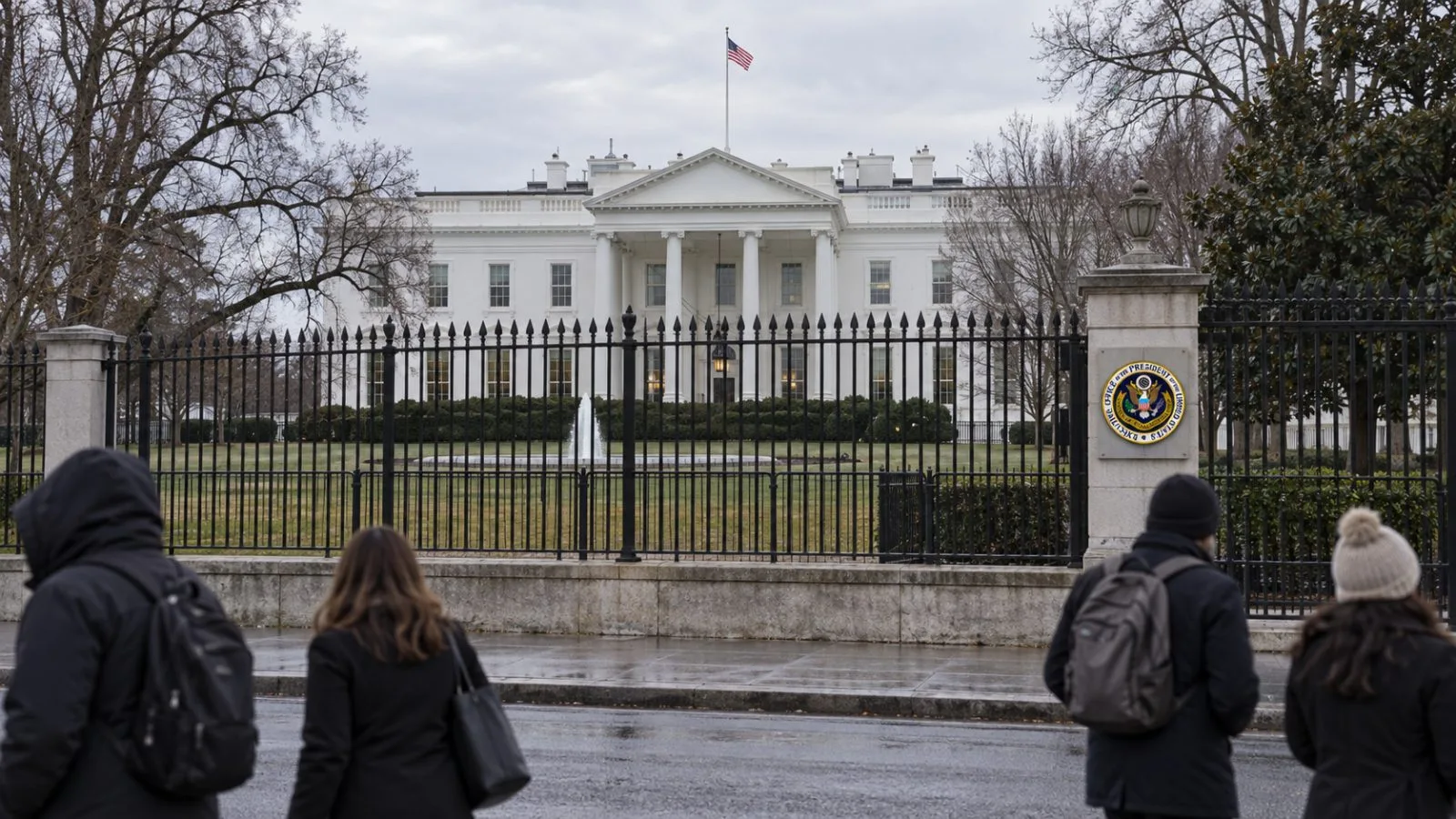
The Lebanon-Israel ceasefire has been extended for three more weeks following high-level negotiations hosted by U.S. President Donald Trump at the White House. The meeting brought together Israel’s ambassador to Washington, Yechiel Leiter, and Lebanon’s ambassador, Nada Moawad, as part of ongoing U.S.-facilitated peace efforts aimed at reducing tensions in the Middle East.
Trump described the talks as productive, emphasizing that the United States will continue supporting Lebanon’s security while addressing threats from Hezbollah, the Iran-backed militant group engaged in conflict with Israel. Although Hezbollah was not involved in the discussions, the group maintains its stance of resisting what it calls forces.
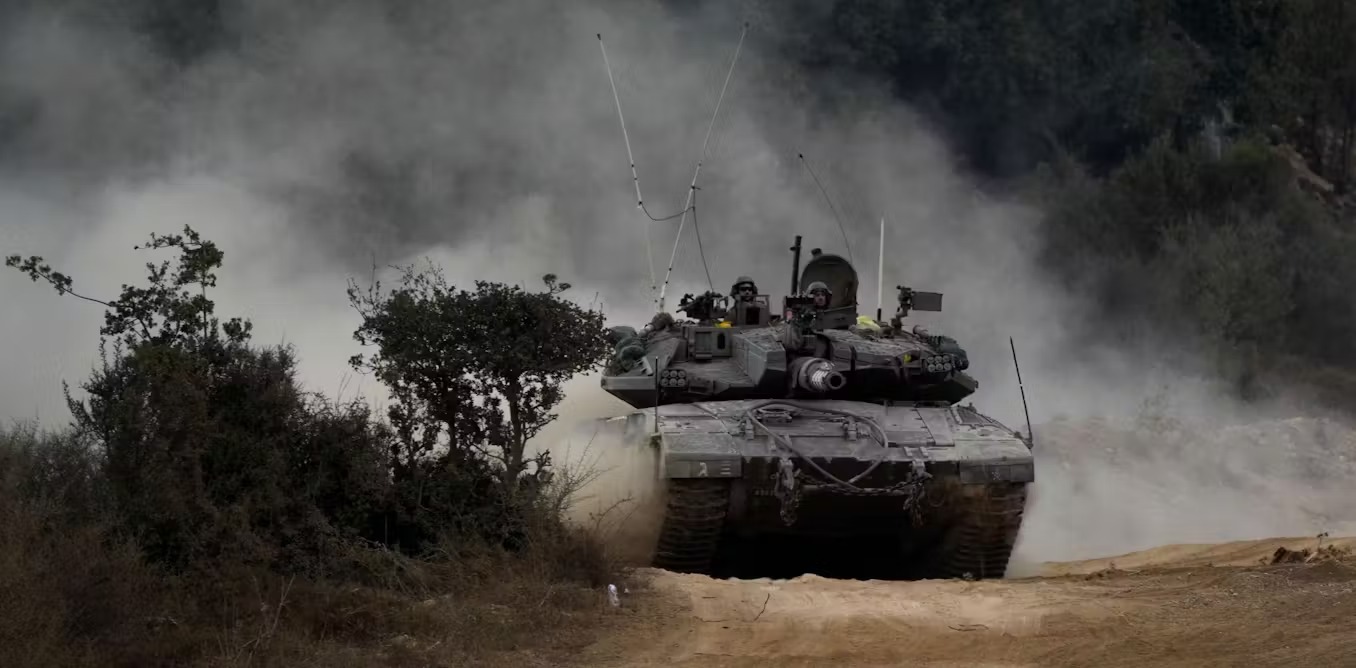
The temporary ceasefire, initially set to expire soon, has significantly reduced violence but has not completely halted clashes. Recent Israeli strikes in southern Lebanon reportedly killed several individuals, including a journalist, marking one of the deadliest days since the truce began on April 16. Israel stated that its military actions targeted armed threats near its forces, while also reviewing reports involving journalists affected by the strikes.
During the Oval Office meeting, Trump expressed optimism about a potential long-term peace agreement between Lebanon and Israel, suggesting there is a strong possibility of progress within the year. He also indicated plans to host Israeli Prime Minister Benjamin Netanyahu and Lebanese President Joseph Aoun for further discussions.
Lebanon continues to push for key demands in upcoming negotiations, including Israeli troop withdrawal, the return of detainees, and formal border delineation. Meanwhile, Israel seeks cooperation from Lebanon’s government to counter Hezbollah’s influence.
Tensions remain high as Hezbollah continues limited operations in response to Israeli military actions. Since the escalation began in March, thousands have reportedly been killed, highlighting the urgency of sustained diplomatic efforts.
The extended ceasefire offers a critical window for dialogue, with global attention focused on whether diplomatic momentum can lead to lasting peace in the region.