


 Mahmoud Abbas Postpones Palestinian Elections to September 2027
  Trump Denies Russia and China Are Helping Iran in U.S. Conflict
  North Korea Fires Ballistic Missiles Amid Rising Tensions With South Korea
  India Voter List Protests Reach Supreme Court as Opposition Demands Election Chief's Resignation
  US Condemns China Sanctions on Taiwan Allies Belize and Paraguay
  Pakistan Declares Emergency in Khyber Pakhtunkhwa, Suspends Imran Khan’s PTI Government
  Trump Warns Houthis Over Attacks, Considers Erdogan Intervention
  Greenland Lawmakers Back Trump Security Deal Despite Economic Concerns
  US Senate Midterms 2026: Key Races That Could Flip Control
  Trump Sanctions International Criminal Court, Sparking EU Backlash
  Trump Denies China, Russia Are Helping Iran in War
  Most Americans Oppose Election Betting on Prediction Markets, Poll Finds
  Djibouti Migrant Boat Capsizes, Killing 139 and Leaving 84 Missing
  US Supreme Court Denies Release of Anti-ICE Activist Kyle Wagner
  Zelenskiy Seeks New US Talks to Revive Ukraine-Russia Peace Negotiations
  Kim Jong Un Showcases ICBM Ahead of Possible Trump Meeting


 Add as a preferred source on Google
Britain’s domestic intelligence agency MI5 has warned that Iran is increasingly targeting military facilities in the UK, while Russia is intensifying hybrid warfare operations against Ukraine’s Western allies.
Speaking on Tuesday, MI5 Director General Ken McCallum said threats from hostile states have quadrupled over the past decade, forcing the agency to dedicate more resources to national security than during the Cold War.
McCallum highlighted growing Iranian efforts to attack high-security military installations, including suspected activity involving RAF Fairford, a British airbase used by US bombers during strikes against Iran.
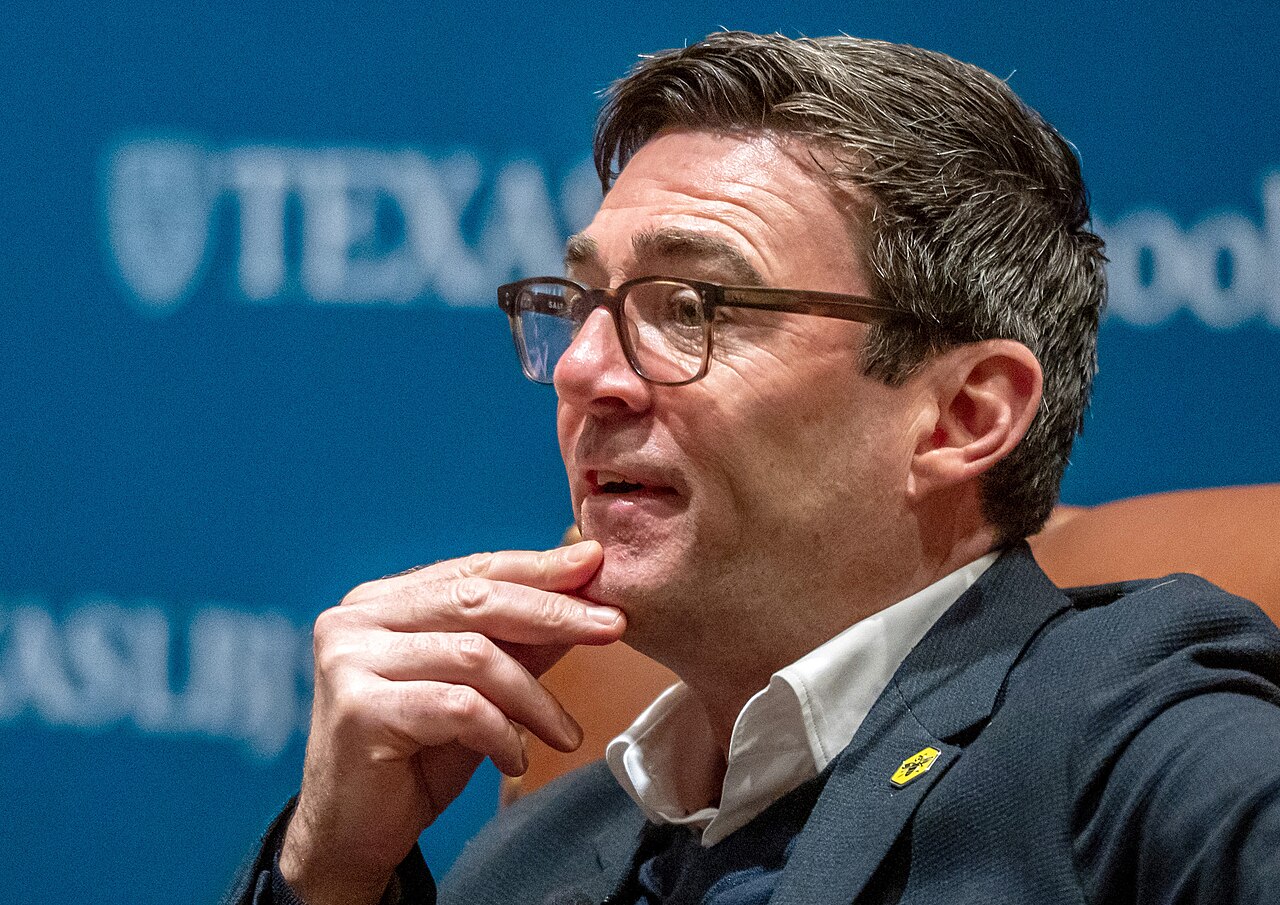
British Prime Minister Andy Burnham said Monday that Tehran was highly likely responsible for a suspected plot targeting the base. The incident triggered heightened security measures and prompted US President Donald Trump to withdraw aircraft from the facility.
Iran has denied involvement in the Fairford incident and other alleged operations in Britain.
Although McCallum declined to discuss the ongoing investigation, he confirmed that Iran-linked activities had resulted in more than 50 arrests over the past year.
He warned that Iranian operations were increasingly focused on more challenging targets, including military installations, although the capabilities of criminal networks and proxies operating in Britain remained limited.
Meanwhile, McCallum described Russia as Britain's leading state security threat, accusing Moscow of expanding cyberattacks, sabotage attempts and other hybrid warfare activities across Europe.
He cited an attempted drone attack involving a cargo aircraft at Germany’s Leipzig/Halle Airport and a cyberattack targeting Poland’s energy infrastructure.
Russia rejected the allegations, with its London embassy accusing Western governments of exaggerating security threats to justify increased military spending and surveillance powers.
Beyond geopolitical tensions, McCallum raised concerns about artificial intelligence becoming a powerful tool for terrorists and cybercriminals.
He warned that AI was accelerating competition between cybersecurity defenders and attackers while helping extremist groups improve surveillance and attack planning.
His greatest concern, however, involved the potential use of AI to develop biological weapons or create entirely new pathogens.
Although such capabilities have not yet materialized, McCallum stressed that intelligence agencies were closely monitoring the emerging danger.
The warnings underscore Britain's growing national security challenges as Iranian threats, Russian hybrid warfare and rapidly advancing AI technology reshape the global security landscape.







