Malaysia would offer more incentives to attract more foreign direct investment (FDI) including intangibles like research and development this year after a 68 percent decline in 2020.
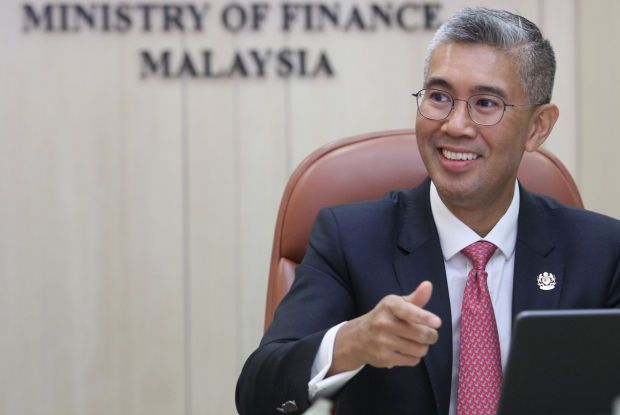
According to finance minister Tengku Zafrul Abdul Aziz, the drop in FDI last year was mainly due to the coronavirus pandemic and political uncertainties.
The FDI decline in Malaysia was Southeast Asia's biggest, the United Nations Conference on Trade and Development pointed out.
He added that foreign investors are aware that most of Malaysia's policies are intact, not having changed any tax policies, initiatives, and incentives, showing that the government is consistent.
Malaysia is also considering reintroducing consumption tax to increase tax revenue.
Zafrul noted that settlement talks were ongoing with Abu Dhabi sovereign wealth fund IPIC and audit firm KPMG related to the multibillion-dollar scandal at 1Malaysia Development Berhad.