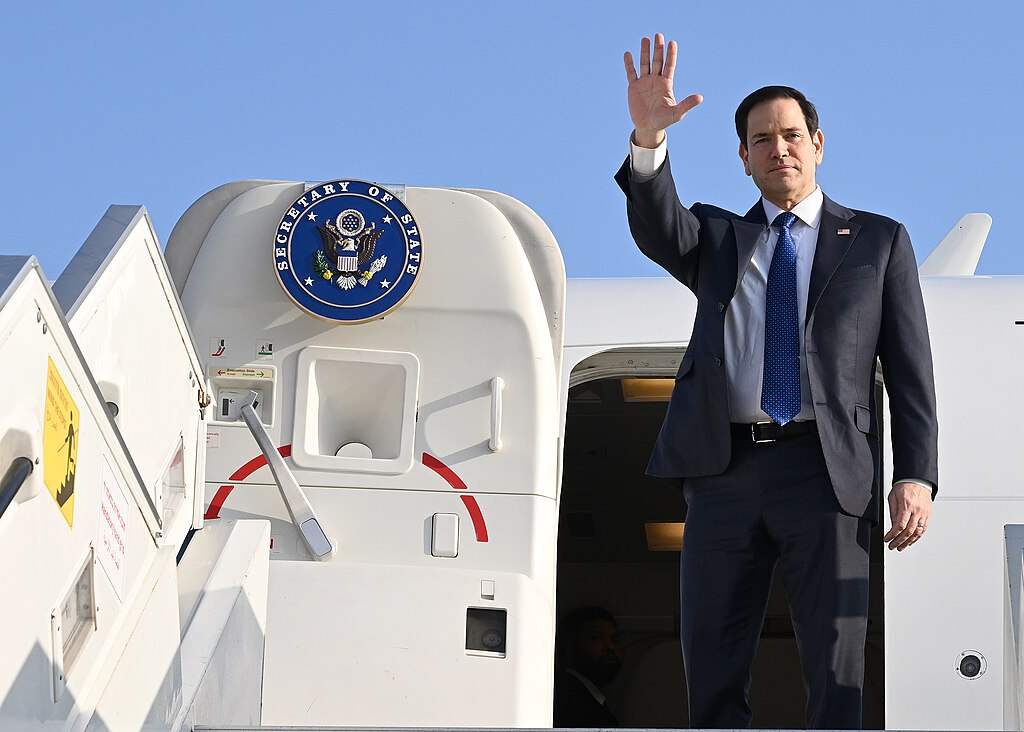
U.S. Secretary of State Marco Rubio has begun a diplomatic tour of the Gulf region as the Trump administration works to ease concerns over its newly signed peace agreement with Iran. Rubio arrived in the United Arab Emirates before scheduled visits to Kuwait and Bahrain, where he will meet leaders from the Gulf Cooperation Council (GCC), which includes Saudi Arabia, Qatar, Oman, Kuwait, Bahrain, and the UAE.
The visit comes amid growing unease among Gulf Arab nations regarding the U.S.-Iran memorandum of understanding (MoU). Regional leaders are concerned that the agreement could strengthen Tehran’s influence, alter the Middle East security landscape, and affect critical global oil shipping routes.
Speaking to reporters, Rubio acknowledged that concerns surrounding the deal would be discussed during meetings with Gulf allies. He emphasized that the United States is not currently seeking financial contributions from regional partners for a proposed $300 billion reconstruction fund for Iran, describing such discussions as a matter for the future. Rubio also stressed that any financial support for Tehran would depend on Iran’s future conduct.
Several GCC nations reportedly view the agreement with caution because it does not place restrictions on Iran’s ballistic missile program. During the recent U.S.-Israeli conflict with Iran, Washington repeatedly cited the reduction of Iran’s missile capabilities as a key objective. Gulf states, many of which are within range of Iranian missiles, had supported that goal.
Another source of concern is the possibility that reconstruction funds could enable Iran to expand its military capabilities and increase support for regional proxy groups. Bahrain, in particular, worries that a stronger Iran could encourage instability among its Shi’ite population.
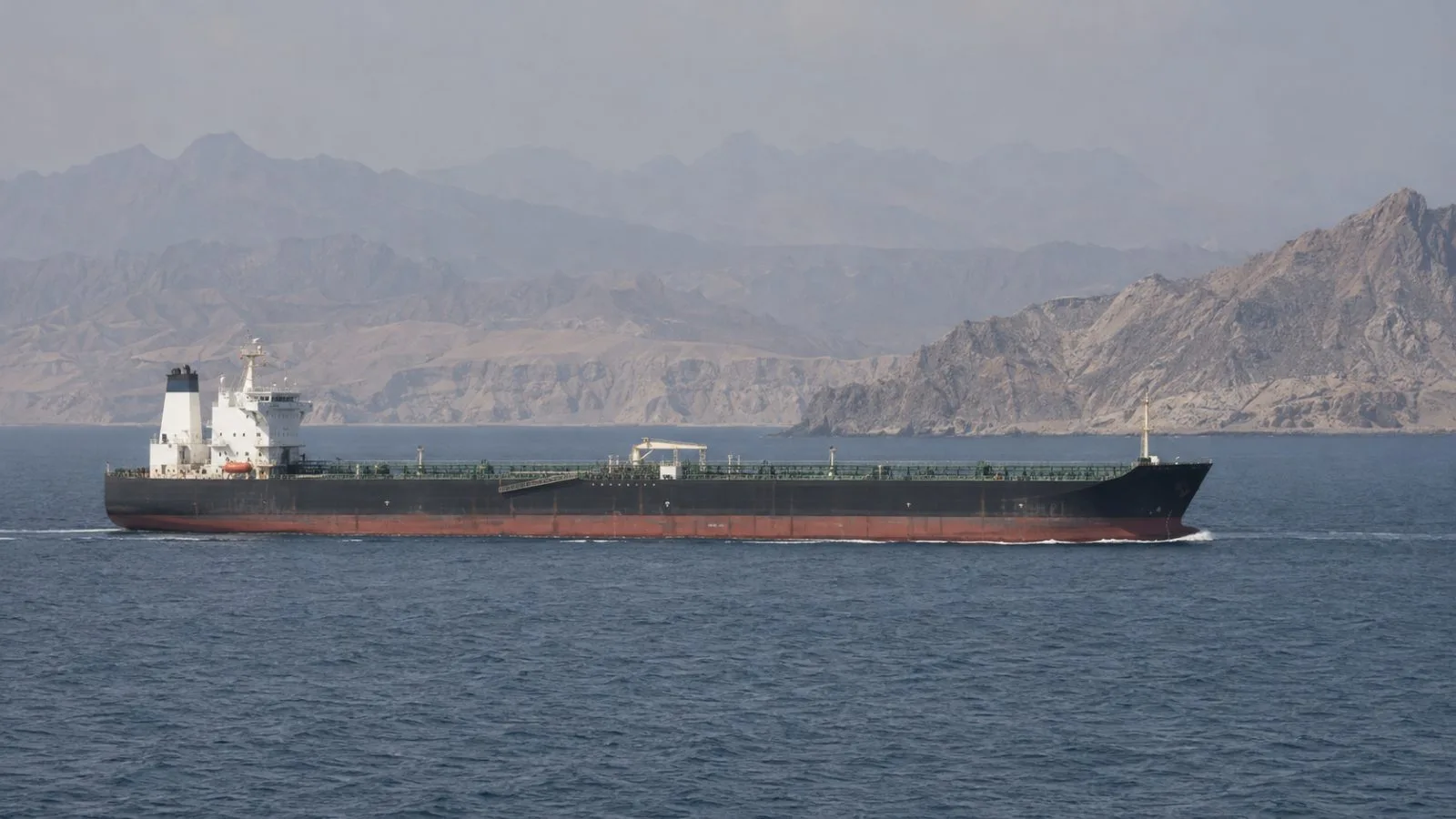
The agreement has also raised questions about Iran’s future role in the Strait of Hormuz, one of the world’s most important oil transit routes. Although Rubio stated that Iran would not be permitted to impose tolls on shipping, Gulf exporters remain wary of any arrangement that could increase Tehran’s influence over the strategic waterway.
Despite skepticism, Rubio is expected to reassure Gulf partners by highlighting President Donald Trump’s history of maintaining a tough stance on Iran. Analysts say the administration faces the challenge of defending the agreement while convincing regional allies that U.S. security commitments remain unchanged.
As discussions continue, Gulf nations will closely monitor whether the U.S.-Iran deal promotes long-term stability or shifts the balance of power in favor of Tehran.