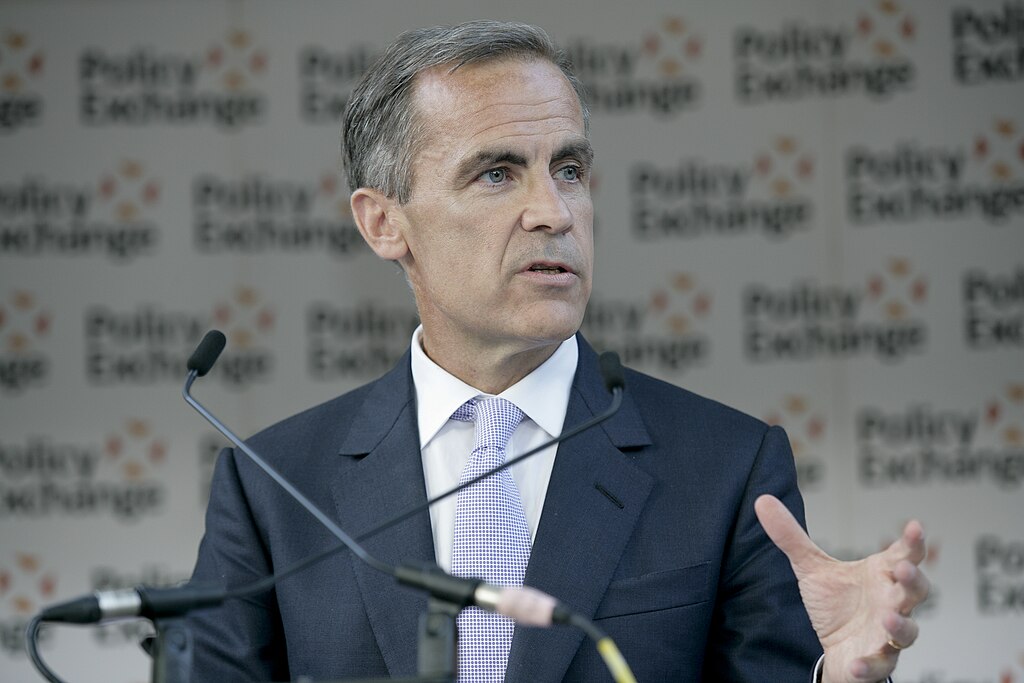
Canadian Prime Minister Mark Carney announced that his government’s first federal budget will focus on reducing Canada’s economic and security reliance on the United States, while cutting unnecessary spending and investing heavily in key sectors. Speaking to university students on Wednesday, Carney said the decades-long era of deep economic integration with the U.S. is ending, emphasizing the need for economic diversification and fiscal responsibility.
Carney, who took office in April, said the upcoming budget will balance austerity with strategic investment, aiming to shield Canada from what he described as the challenges of a newly protectionist U.S. economy. “Many of our former strengths—based on close ties to America—have become our vulnerabilities,” he warned.
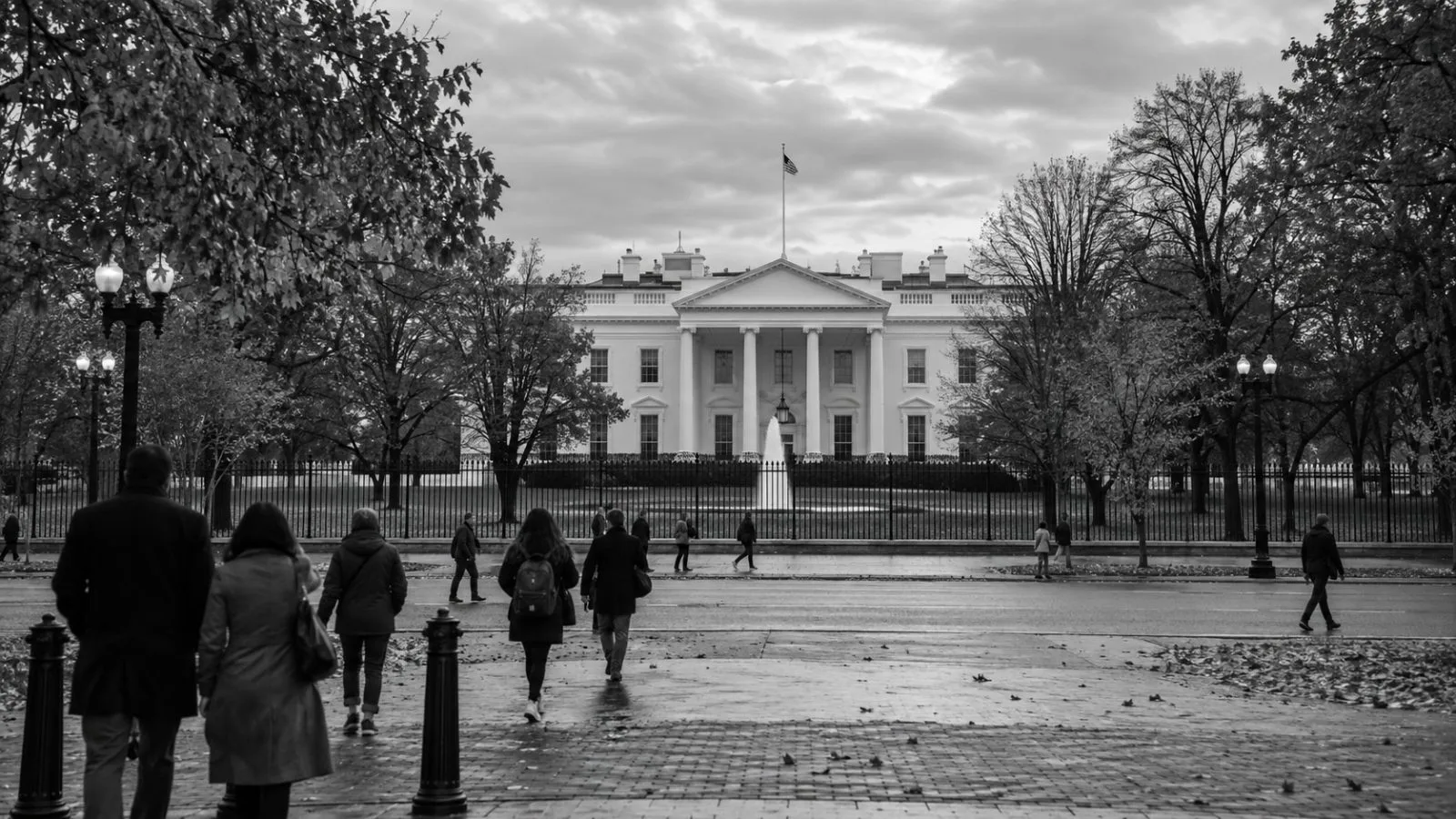
Amid mounting U.S. tariffs that have hurt Canada’s steel, aluminum, and auto industries, Carney pledged to double non-U.S. exports over the next decade, potentially adding C$300 billion in new trade. His plan includes major boosts to defense spending, housing, and infrastructure, alongside a comprehensive climate strategy.
However, the prime minister faces fiscal pressure after introducing tax cuts, removing retaliatory tariffs to reopen talks with U.S. President Donald Trump, and funding support for industries hit by tariffs. To control rising costs, all government ministries have been instructed to reduce wasteful expenditures.
Economists estimate the 2025/26 fiscal deficit will range between C$70 billion and C$100 billion, up from C$43 billion in the previous fiscal year—one of Canada’s largest in decades. Carney aims to balance the operating budget within three years, promoting efficiency and transparency.
The federal budget will be unveiled on November 4, marking a crucial test for Carney’s minority government, which will need opposition support to pass it. Following meetings with political leaders, including opposition head Pierre Poilievre, Carney reaffirmed his commitment to bold, decisive action: “We won’t play games. We won’t waste time. We will do what it takes.”