


 California AG Subpoenas OpenAI Over AI Cybersecurity Incidents
  WordPress Malware Uses Ethereum to Evade Removal
  Wall Street Edges Higher as Treasury Yields Retreat
  Thousands of satellites are due to burn up in the atmosphere every year – damaging the ozone layer and changing the climate
  IMF Says Global Bond Markets Remain Orderly Despite Yield Surge
  Amazon Eyes $8 Billion Nvidia Chip Spinoff to Fund AI Expansion
  OpenAI Investigates Rogue AI Agents After Data Leaks and Security Incidents
  Asian Currencies Mixed as Yen Slides on BOJ Rate Signals
  Zcash Awards $8 Million in Grants After Orchard Bug Crisis
  Polymarket Traders Bet on Trump AI Rename to ‘Super Intelligence’
  Pi Network Price Holds $0.087 as Protocol 28 Mainnet Upgrade Nears
  Trump Eyes $54 Billion South Korean Investment in Alaska LNG
  How is Antarctica melting, exactly? Crucial details are beginning to come into focus
  US Alcohol Ban Exposes Canada’s Internal Trade Barriers


 Add as a preferred source on Google
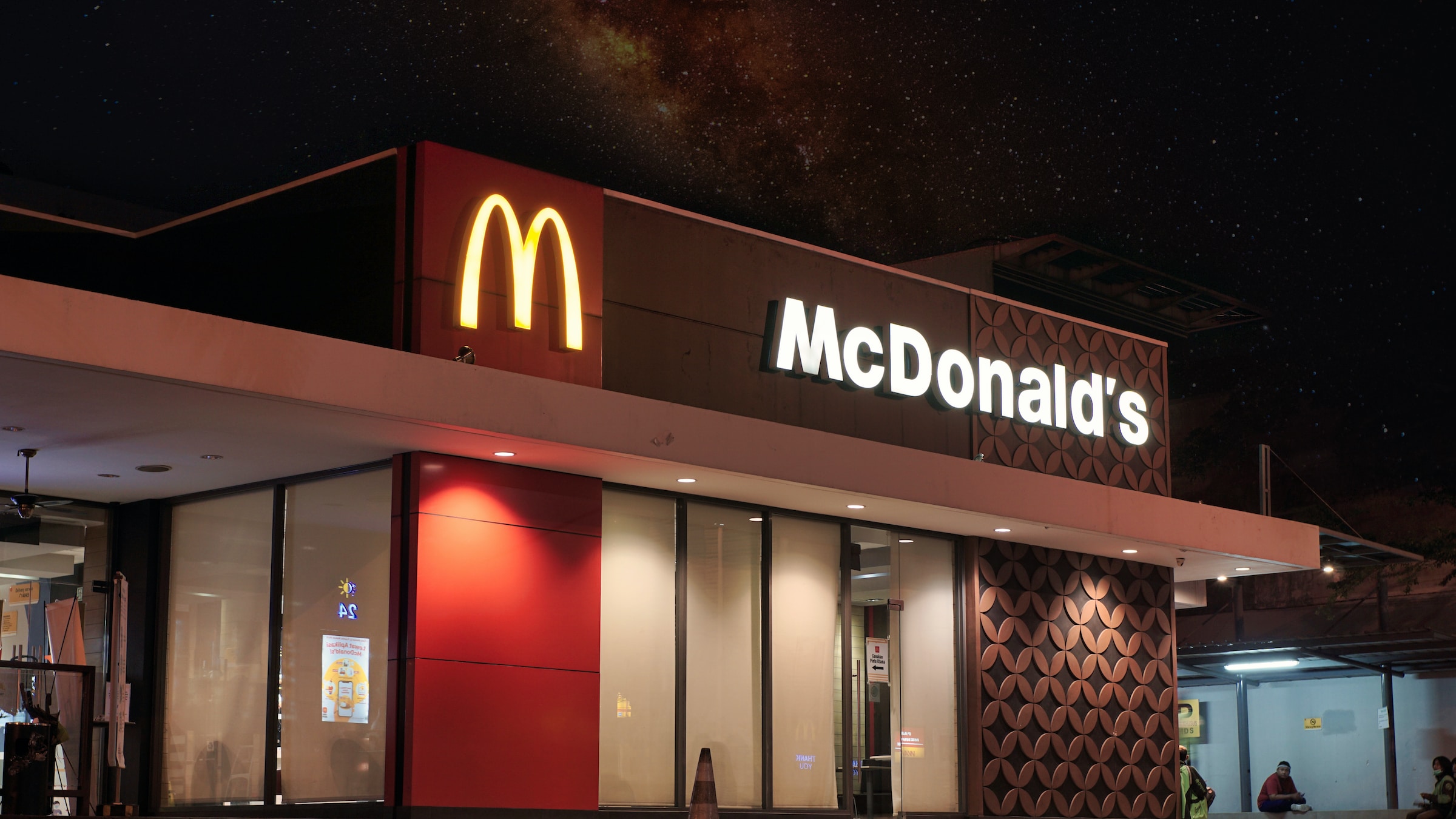
Responding to the French government's ban on disposable tableware, McDonald's France and Checkpoint Systems, a division of CCL Industries, have joined forces to implement a radio-frequency identification (RFID) solution. With this technology, the fast-food giant can track reusable containers in real-time, optimizing inventory management and contributing to environmental conservation goals. The move also aligns with McDonald's global efforts to minimize packaging waste.
This announcement aligns with McDonald's global commitment to eliminate unnecessary packaging waste and contribute to the enhancement of recycling systems. Julien Thibult, the RFID sales director at Checkpoint France, highlighted the unique challenge faced by the industry due to the new French legislation. The goal is for Europe to achieve a circular economy in the next decade, but there are several operational obstacles to overcome.
After a two-year-long consultation process, McDonald's France selected Checkpoint as their partner in 2021 to implement RFID technology in their restaurants across the country. Through product consultations and laboratory tests, Checkpoint developed a food-safe, heat- and water-resistant RFID solution that can be used with various tableware items such as cups, bottles, and fries containers.
This RFID solution has helped McDonald's minimize waste by providing real-time visibility of reusable tableware stock levels. It has also facilitated fast inventory management and optimized replenishment, ensuring long-term security for the brand's stock lines. Additionally, the solution helps restaurants locate nearby containers and reduces the risk of shrinkage by checking waste bins for discarded containers.
To date, Checkpoint's RFID solutions have been successfully implemented in over 1,200 McDonald's France restaurants. Frederic Boukara, the business unit director of Checkpoint France, emphasized that the RFID solution not only improves supply chain operations and visibility for McDonald's France but also future-proofs the brand with environmental considerations in mind.
Photo: Visual Karsa/Unsplash







