


 Trump Secures Russian Diesel Deal as US Fuel Prices Surge
  Oil Prices Rise as Houthi Attacks Threaten Middle East Supply
  Binance to Shut Down Crypto Mining Pool Services on November 10
  Bumble Shares Surge 50% on $1 Billion Buyout Talks
  Russia Approves Sberbank for Crypto Exchange Services
  European Stocks Rise as Oil Prices Fall Ahead of US CPI
  Gold Prices Hit One-Week High as Oil Falls, Fed Rate Outlook Weighed
  Nvidia’s China AI Chip Market Share Falls to 34% as Huawei Gains Ground
  Moonshot AI Executives Seek Settlement Ahead of Hong Kong IPO
  UK Finance Minister Healey Calls for Fiscal Discipline Amid Global Risks
  Trump Defends Russian Diesel Deal Amid US Sanctions Backlash
  Meta Launches Muse Wonder AI Models, Shares Rise 3.7%
  FAA Warns US Airlines Over Saudi Arabia Flight Risks
  Oil Prices Fall as Trump Ceasefire Claim Shifts Market Focus to U.S. CPI
  PepsiCo Slashes Poppi Earnout Valuation as Growth Slows
  Nasdaq Faces Pullback to 26,225 Despite Bullish Outlook, UBS Says


 Add as a preferred source on Google
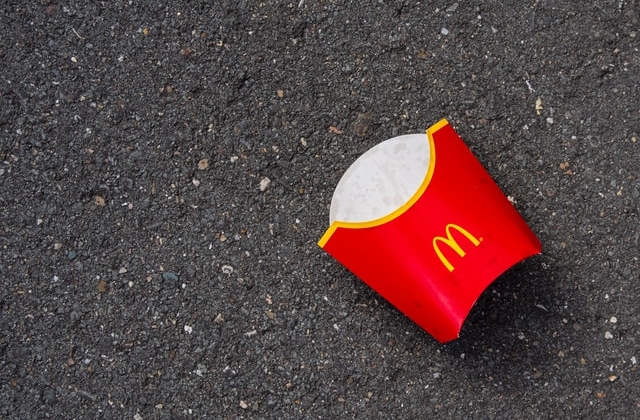
McDonald’s Japan is facing issues with the shipping of its supplies, especially the potatoes for its french fries. Because of this, its restaurants decided to cut up the french fries into smaller sizes just to make sure it could still sell the famous side menu to customers.
With this development, customers of McDonald’s Japan will have to put up with the smaller serving of the french fries every time they dine or order for delivery. It was estimated that this practice may continue until February and possibly, the next month after that.
McDonald’s Japan will be limiting the fries from now on and this wall due to the shipping problems it is currently facing. According to Reuters, McDonald’s Holdings Company Japan released a statement last weekend and it outlined the impact of the flood damage Vancouver port on its business.
The fast-food chain also mentioned other disturbances that it has been experiencing since and said this is also another reason for the delays in the shipment of potatoes from North America. Before the flooding, COVID-19 has severely affected shipping operations worldwide. There is also the extreme weather that cuts shipments and many other issues.
With all of these issues, McDonald’s Japan has no other choice but to take out the medium and large-size fries from the menu and slice them to be able to accommodate orders. The company said it would only sell small fries for a month, so all customers could still enjoy the fries despite the supply issue.
Nikkei Asia noted that this is the second time that McDonald’s Japan is restricting the sale of french fries. Last month, the company suspended the sale of french fries for a week due to a shortage. Almost 2,900 restaurant outlets in Japan did not sell any fries at that time.
The potatoes for McDonald’s Japan’s fries are being imported from Canada, and since there is also heavy snowfall and bad weather at sea, shipping was interrupted. The container shortages were also said to have contributed to the crippled shipping operations at the main port of Vancouver.







