


 Moonshot AI Executives Seek Settlement Ahead of Hong Kong IPO
  Albertsons Seeks $9.3 Billion From Kroger Over Failed Merger
  South Korea Blocks 27 Crypto Exchange Websites in Regulatory Crackdown
  TSMC Profit Set to Surge 65% as AI Chip Demand Drives Record Earnings
  Bumble Shares Surge 50% on $1 Billion Buyout Talks
  Apple Supplier Luxshare Faces US Patent Probe, Sees Limited Impact
  Airbus Tests Valkyrie Combat Drone in Europe for Eurofighter Integration
  Most Americans Oppose Election Betting on Prediction Markets, Poll Finds
  Visa Wins China Approval to Prepare Domestic Payments Expansion
  Elon Musk Donates $366 Million to 2026 US Midterms
  Epic Games Delays Disney Shooter, Shifts to AI-First Development
  FAA Warns US Airlines Over Saudi Arabia Flight Risks
  PepsiCo Slashes Poppi Earnout Valuation as Growth Slows
  Binance to Shut Down Crypto Mining Pool Services on November 10
  Canton Network Expands in South Korea With Major Partnerships
  Syndax Stock Drops 15% After Axatilimab Trial Failure


 Add as a preferred source on Google
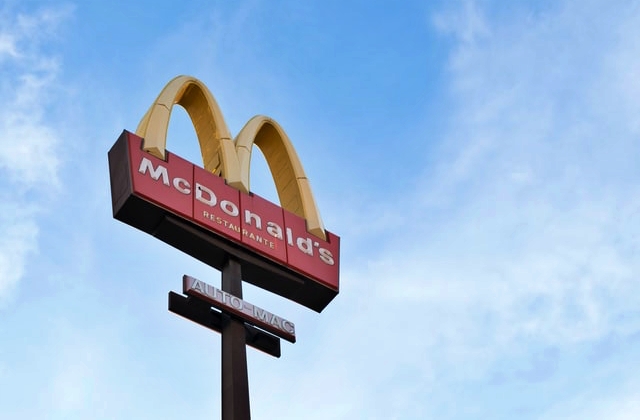
McDonald's was sued by a Black franchise owner after alleging that he was treated unfairly. Herbert Washington, a former MLB player, claimed that the fast-food chain giant denied him the opportunity to purchase stores in affluent locations.
Legal action against McDonald’s
Washington filed a civil rights lawsuit at the federal court in Youngstown, Ohio, on Feb. 16. He stated that the fast-food company had shown the more favorable treatment to white store franchisees, and the discrimination has led to about $700,000 difference in sales between the whites and black owners.
In his 50-page legal filing, the former baseball player who owns multiple McDonald’s restaurants said, “By relegating Black owners to the oldest stores in the toughest neighborhoods, McDonald’s ensured that Black franchisees would never achieve the levels of success that White franchisees could expect.”
Fox Business also mentioned that Herbert Washington alleged he was forced by the company to sell seven of his franchise stores. The number of Black franchisees today fell to only 186 compared to 377 in 1998 despite the fact that the number of McDonald’s stores has more than doubled to 40,000.
Washington’s complaint was filed by Peiffer Wolf Carr Kane & Conway law firm on his behalf. His 27 stores in New York, Ohio, and Pennsylvania were said to have been systematically dismantled, and in the last three years, he was compelled to give up seven store outlets to white franchisees.
“There are two McDonald’s systems,” Washington said in another statement. “One that is designed for White owners to flourish and grow and another that is designed to pigeonhole and oppress Black owners,”
He said that at this point, he would not go along with their decisions anymore to give up his seat for White owners. Washington laments that after four decades of working under the McDonald’s system, he was “targeted for extinction.”
McDonald’s reacts and denies the allegations
The world-renowned fast-food giant issued a statement after learning about Herbert Washington’s complaints. The company refutes the claims, but they will still review them.
McDonald’s explained that Washington is facing business challenges, and the firm offered him many opportunities to resolve those issues. The company added that it had invested considerably in his store chain empire, but he was not able to address the problems even after several years.
“This situation is the result of years of mismanagement by Mr. Washington, whose organization has failed to meet many of our standards on people, operations, guest satisfaction and reinvestment,” CNBC quoted McDonald’s as saying in a statement.“His restaurants have a public record of these issues including past health and sanitation concerns and some of the highest volumes of customer complaints in the country.”







