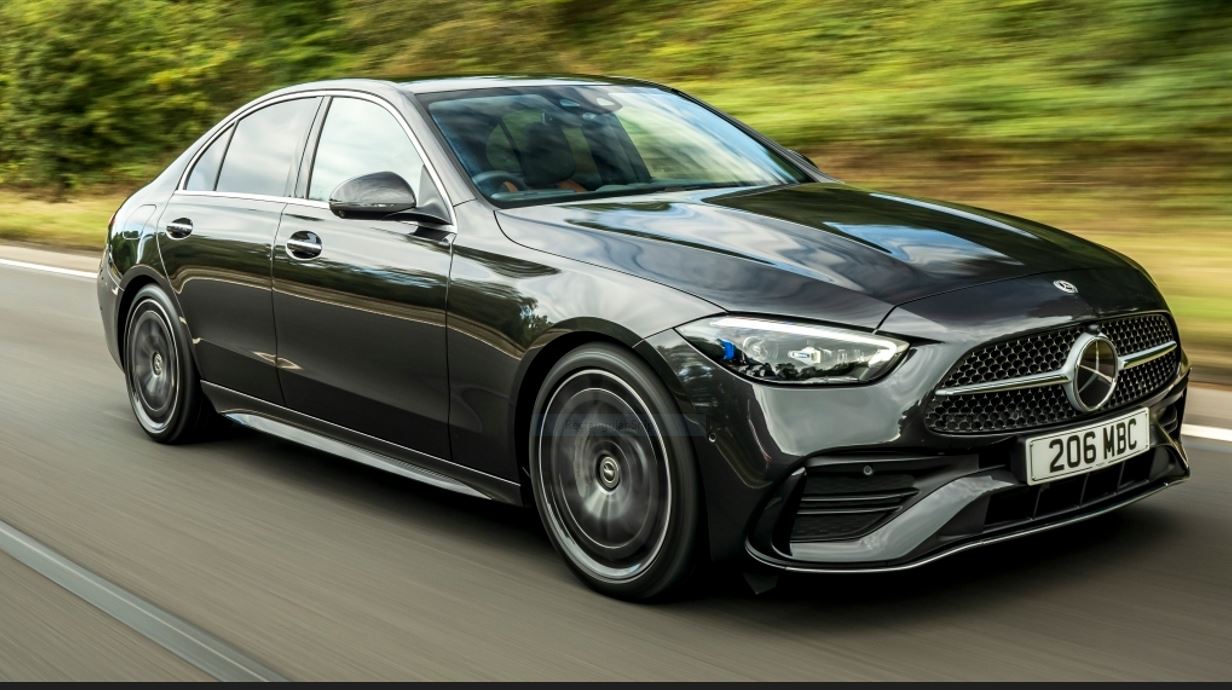
Mercedes-Benz introduced a groundbreaking virtual assistant during the CES electronics trade fair, showcasing the increasing integration of artificial intelligence in the automotive industry. This state-of-the-art assistant can engage in dialogue with users and provide context-based suggestions.
Advanced Dialogue and Functionality
Reuters reported that during the press roundtable held in Las Vegas, Mercedes' chief technology officer Markus Schaefer emphasized that the new virtual assistant elevates user experience to a new level. With the ability to converse, ask clarifying questions, and assist with productivity, this remarkable AI-powered technology transforms the car into an interactive dialogue partner, per Business Times.
Mercedes-Benz plans to roll out the voice assistant in various vehicles, including the concept CLA class, which offers an all-electric incarnation of the carmaker's renowned smaller four-door model. This highly anticipated addition to the vehicle lineup debuts in North America at the trade show, showcasing Mercedes' commitment to innovation and cutting-edge technology.
As carmakers seek differentiation in the ever-evolving automotive landscape, they increasingly focus on their software offerings. Electric vehicle hardware is less complex than combustion-engine cars, so the software experience becomes vital to setting themselves apart. Mercedes-Benz's advanced virtual assistant underscores this commitment by providing a comprehensive and intelligent voice interface in their vehicles.
Advancements in Voice Assistant Technology
Voice assistant technology in cars is experiencing rapid advancements, from integrating personalized avatars to incorporating generative AI. Volkswagen, a key competitor, also unveiled its voice assistant during the trade show, integrating ChatGPT technology. This new offering enables drivers to have content read to them during their drives, showcasing the growing sophistication of voice assistant capabilities.
Volkswagen's voice assistant aims to engage in natural and meaningful dialogue with users, taking note of previous questions and responding accordingly. Mercedes-Benz recognizes the importance of trust and accuracy, ensuring a plausibility check for responses provided by their assistant. Recommendations are verified through cloud data and customers' self-reporting, ensuring users can rely on the information provided by their intelligent companion.
Schaefer emphasized Mercedes-Benz's commitment to ensuring accurate and reliable information. Including a plausibility check, the virtual assistant guarantees trustworthy recommendations, considering closure information when suggesting restaurants or shops. This dedication to user trust further highlights the brand's commitment to delivering a seamless and dependable user experience.
Photo: Mercedes-Benz Newsroom