The Windows operating system is the biggest paid software brand in the market right now, with iOS trailing far back in second place. This has allowed Microsoft to absolutely dominate the PC market and it wants to do the same with Quantum computers. It plans to do this by building one from scratch, including the computer chips and the accompanying OS.
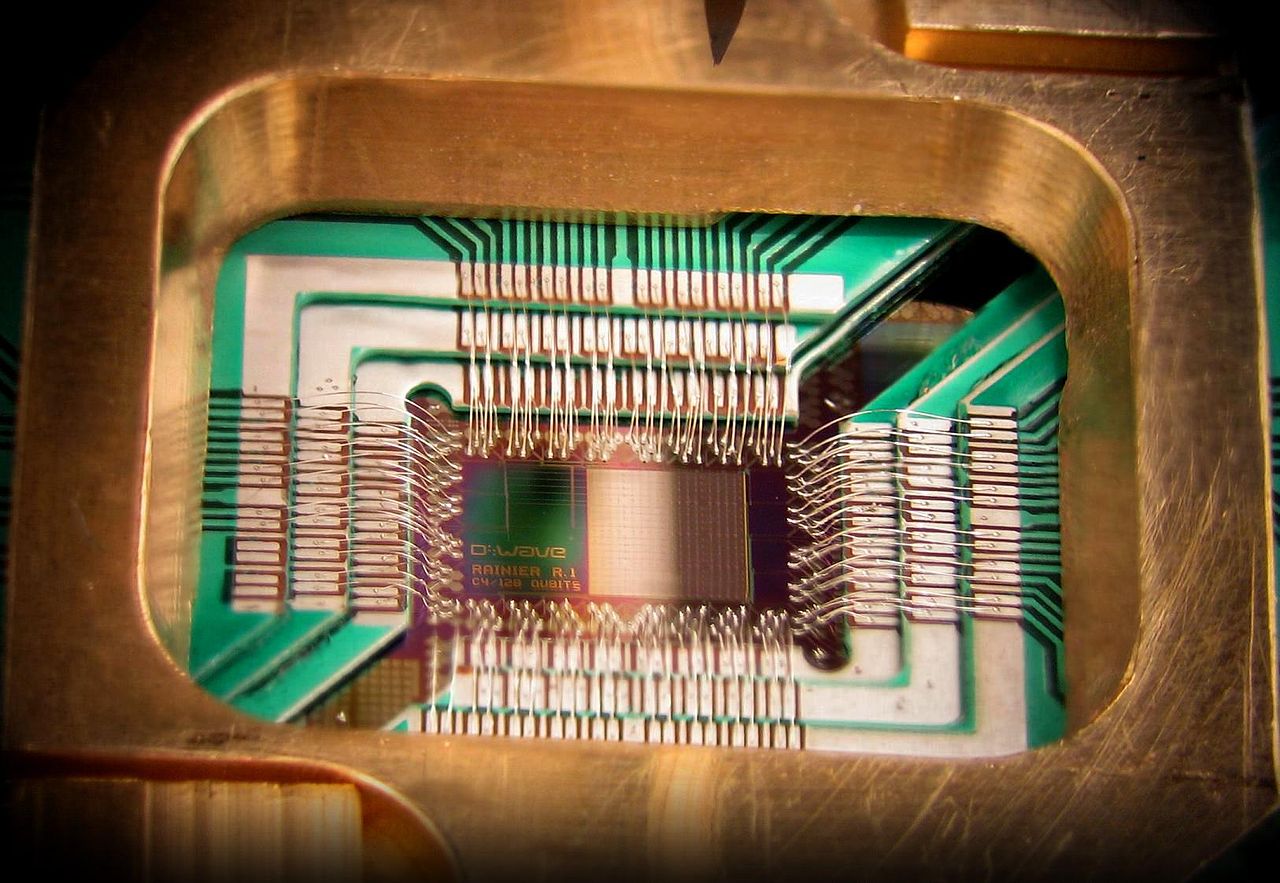
Quantum computing is basically the next stage in the tech industry, wherein data can be processed several thousand or even millions of times faster than with conventional computers. Companies like IBM and D-Wave Systems have already built their own versions. Microsoft wants to do the same thing with parts that it will build and own, PC World reports.
The crux of the company’s goal is something called “topological qubits,” which is something tech developers are trying to get a handle on right now due to its increased stability in quantum computing. According to Microsoft, such qubits would allow its quantum computers to become more resilient to everyday wear and tear.
While the hardware engineers are busy trying to come up with these qubits, Microsoft’s other researchers are developing programming languages that will be used in creating their quantum computer. Once this is done, the language will be provided to third-party developers as a preview so that they’ll be able to adjust to the new quantum computing landscape.
Just to give people an idea of what to expect, however, it would seem that Microsoft is borrowing quite a bit from existing programming languages to develop the one it will use for its own quantum computer. By building a base using C# and Python, it becomes easier for developers to understand how the system works, Ars Technica reports.
It’s worth noting, however, that quantum computing itself is still quite far off. Adoption rate requires at least the availability of 40 qubits to make any kind of practical impact and tasks like creating chemical catalysts would require several hundred. Since the latter is the kind of thing that quantum computers are meant to be used for, it’s safe to say that a real quantum computer is still decades away.