


 Flydubai Co-Pilot Planned Suicide Attack on Israel Airport, UAE Says
  Trump Sanctions International Criminal Court, Sparking EU Backlash
  Trump Announces Russia-Ukraine Energy Ceasefire as Zelenskiy Awaits Details
  Trump Calls for Zelenskyy Replacement Amid Russian Diesel Deal
  Djibouti Migrant Boat Capsizes, Killing 139 and Leaving 84 Missing
  Zelenskiy Offers Russia Energy Truce Amid Trump Pressure
  European Auto Stocks Rise as EU-China Trade Deal Targets Hybrid Imports
  JD Vance Questions Pentagon Plan to Livestream Fort Hood Shooter’s Execution
  Russian Strikes Kill Six in Ukraine, Including Three in Kharkiv
  Pakistan Declares Emergency in Khyber Pakhtunkhwa, Suspends Imran Khan’s PTI Government
  Trump Announces Russia-Ukraine Energy Ceasefire Amid U.S. Pressure on Kyiv
  North Korea Fires Ballistic Missiles Amid Rising Tensions With South Korea
  Yandex Data Center Hit by Drone Strike as Russia-Ukraine Cyber Infrastructure Attacks Escalate
  NATO Commander Warns Russia of Devastating Response to Attack
  Trump Defends Russian Diesel Deal Amid US Sanctions Backlash


 Add as a preferred source on Google
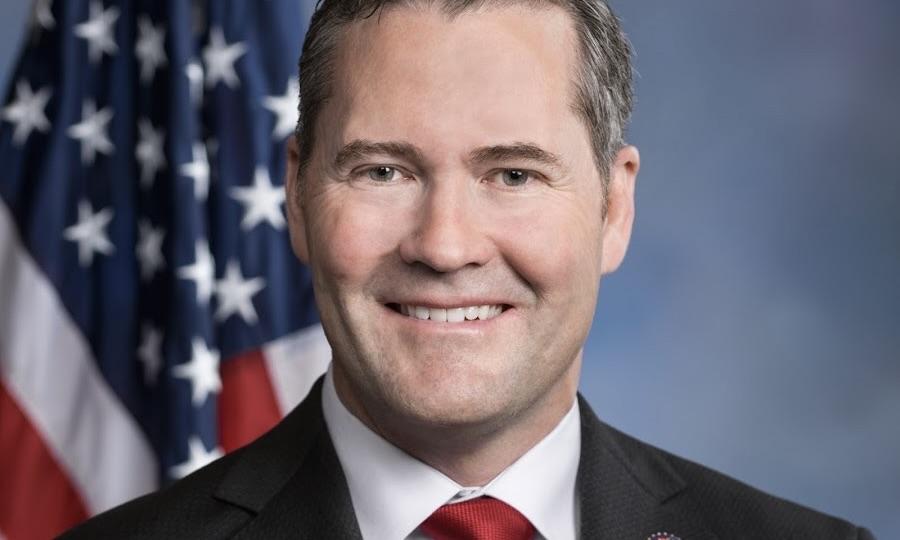
Former President Donald Trump has chosen Florida Congressman Mike Waltz to serve as National Security Adviser in his anticipated return to the White House, signaling a strong emphasis on military experience and conservative values in U.S. foreign policy. Waltz, a former Green Beret and Afghanistan war veteran, has been an outspoken advocate for a hardline approach on China, a muscular military presence overseas, and a swift response to global threats.
The selection of Rep. Waltz has sparked immediate reactions in Washington, with supporters praising Trump’s choice as one that will bring expertise and strength to U.S. national security. However, critics argue that Waltz’s hawkish stances and close alignment with Trump could lead to heightened tensions internationally.
A Military Background in the Oval Office
Waltz, who represents Florida’s 6th Congressional District, would be the first Green Beret to hold the National Security Adviser position. His military background has made him a prominent figure in Congress on defense issues, particularly in his vocal criticism of the Biden administration’s handling of Afghanistan. Waltz has also championed aggressive policies to counter China’s influence and has often warned against what he sees as a lack of preparedness within the U.S. military to face evolving global threats.
In a recent statement, Trump praised Waltz as a “warrior for American values,” noting that his experience as a combat leader would be invaluable in reshaping America’s national security strategy. “Mike has been in the trenches, literally,” Trump said. “He understands the threats we face, and he won’t back down.”
Critics Warn of an Aggressive Shift in Foreign Policy
While Waltz’s supporters celebrate his appointment as a move toward “strength and resilience,” detractors argue that his hardline stance could exacerbate diplomatic tensions. Waltz has frequently voiced support for a more assertive U.S. posture, particularly regarding China and Iran. His selection has fueled concerns among Democrats and foreign policy experts who fear an overly aggressive shift in U.S. foreign policy, which could strain alliances and complicate diplomatic relations.
“Waltz’s approach is about ‘peace through strength,’ but the risk is that it could be all strength and no peace,” said one unnamed policy analyst. “This choice could set the stage for a foreign policy that’s more combative and less cooperative.”
What Waltz Brings to Trump’s Team
As National Security Adviser, Waltz is expected to play a central role in crafting a foreign policy that aligns with Trump’s “America First” doctrine. His expertise in special operations and intelligence, combined with his experience in Congress, positions him as a formidable figure within Trump’s national security apparatus. Waltz’s advocacy for strong military funding, enhanced readiness, and a clear-eyed approach to China’s rise are anticipated to be focal points of his tenure.
Waltz’s appointment also signals a potential reorientation of the National Security Council toward a more militaristic strategy, likely focusing on countering what the Trump team views as the main threats to U.S. security. “This is a man who has seen the battlefield and who knows the stakes,” one Trump advisor commented. “He’ll bring that battlefield experience to the White House.”
“This Isn’t a Drill,” Sources Say
Trump’s pick of Waltz has sent ripples through the defense and diplomatic communities. Supporters argue that Waltz’s military discipline and commitment to national security will ensure America’s strength is unwavering. Detractors, however, are concerned that his robust stance might lead the U.S. down a more confrontational path.
“Waltz is the kind of leader who doesn’t do things halfway,” one insider remarked. “If he’s advising Trump on national security, you can bet the war room just got real.”
With Waltz on board, Trump’s foreign policy team appears set to focus on strength, readiness, and a hardline approach, which could redefine America’s engagement with the world.







