


 US Charges Maduro and Wife With Torture Conspiracy
  Pentagon Orders Iran Strike Preparations as Trump Weighs Military Action
  Zelenskiy Criticizes US as Russian Strikes Kill 78 in Ukraine
  Zelenskiy Slams US Over Deadly Russian Strikes on Ukraine
  Marco Rubio Warns Russia-Ukraine War Could Spark Wider Conflict
  Trump Buys Up to $25M in Meta Stock, Invests in SpaceX Debt
  Zelenskiy Slams US-Russia Diesel Deal as Funding War
  Trump Calls for Zelenskyy Replacement Amid Russian Diesel Deal
  US Suspends Microsoft, Adobe From Green Card Program
  EU Rejects Italy, Greece Calls for Fiscal Rule Flexibility
  RFK Jr. Launches Nationwide Vaccine Safety Review
  Iran Refuses to Halt Uranium Enrichment Amid US Nuclear Demands
  Flavio Bolsonaro Leads Lula 49%-45% in Brazil Runoff Poll
  Trump Sanctions International Criminal Court, Sparking EU Backlash
  Italy Approves Electoral Reform Ahead of 2027 Election
  Berlin Coalition Talks Advance After Left Party Antisemitism Deal


 Add as a preferred source on Google
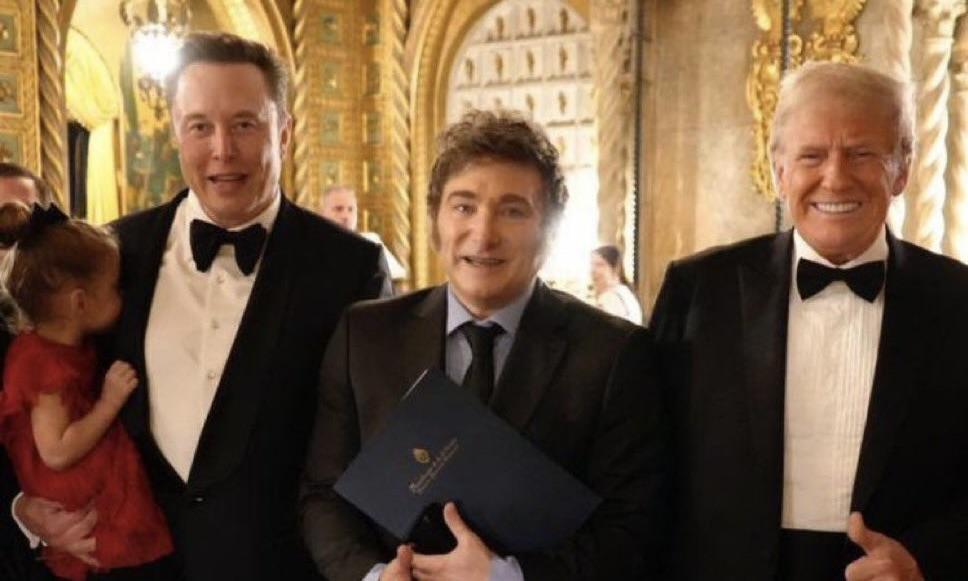
Argentina’s newly elected President Javier Milei has expressed his intention to forge close alliances with former U.S. President Donald Trump and tech billionaire Elon Musk. Known for his libertarian views and unconventional approach to politics, Milei’s alignment with these high-profile figures is seen as a signal of his ambition to transform Argentina's economy and strengthen his country’s position on the global stage.
Milei, who won Argentina’s presidency on a wave of populist support, has publicly admired Trump’s America-first policies and Musk’s groundbreaking work in technology and space. These connections align with Milei’s own vision for Argentina—a country that he believes should be more independent, competitive, and innovative. His controversial stance has captured the attention of political analysts and business leaders worldwide, raising questions about how these relationships might influence his policies at home and Argentina’s standing abroad.
A Shift in Argentina’s Foreign Policy?
Javier Milei’s victory in Argentina’s recent election was propelled by his promise to challenge the political establishment and his pledges for sweeping economic reforms. He has expressed a desire to reduce the role of the central bank, lower taxes, and simplify business regulations to create a more market-friendly environment. Now, his focus on building connections with Trump and Musk suggests that Milei is looking beyond traditional diplomatic relationships and aiming to create a network of support among influential leaders known for their disruptive impact.
For Milei, Trump represents a model of assertive leadership and nationalism that Milei sees as beneficial for Argentina. Trump’s legacy, defined by a strong emphasis on self-reliance and skepticism toward multilateral agreements, resonates with Milei’s desire to transform Argentina’s economy and reduce its dependence on international loans and aid. By aligning himself with Trump’s principles, Milei hopes to bring similar policies to Argentina’s governance, particularly as the nation grapples with economic instability and high inflation.
Meanwhile, Elon Musk’s influence on Milei’s vision appears to be rooted in the Argentine president’s enthusiasm for innovation and private sector growth. Musk’s achievements with Tesla, SpaceX, and ventures in artificial intelligence and space exploration inspire Milei’s own ambitions to foster technological growth in Argentina. Milei has even hinted at the potential for foreign investment in tech and green energy sectors, viewing Musk as a symbol of the innovation-driven economy he aims to cultivate.
Domestic Reactions and Potential Implications
At home, Milei’s alignment with Trump and Musk has polarized public opinion. Supporters see Milei’s connections as a strategy to attract foreign investment and bring Argentina closer to global economic trends. They argue that building ties with influential figures like Trump and Musk could boost Argentina’s profile, attract new partnerships, and even aid in stabilizing the country’s economy, which has been troubled by years of inflation and stagnation.
However, critics warn that aligning with such divisive figures could backfire. Milei’s opponents argue that Trump’s political legacy is controversial and that Musk’s business ventures, while groundbreaking, often face scrutiny for their aggressive market tactics. Some political analysts also caution that Milei’s strong ideological stance could complicate Argentina’s relationships with other countries in Latin America, especially those with more progressive governments.
An Uncertain Path Forward
As Milei begins his presidency, it remains to be seen how these associations with Trump and Musk will manifest in his policies and Argentina’s foreign affairs. Will these alliances bring the economic revival and innovation Milei envisions, or will they alienate allies and spark new challenges for Argentina on the world stage? For now, Milei’s support for Trump and Musk underscores his commitment to a new direction for Argentina, one that aims to redefine the nation’s role in the global economy with an untraditional set of allies.
With Argentina watching closely, Milei’s administration promises a radical shift, blending the ideologies of a former U.S. president and a tech magnate into an untested recipe for change.







