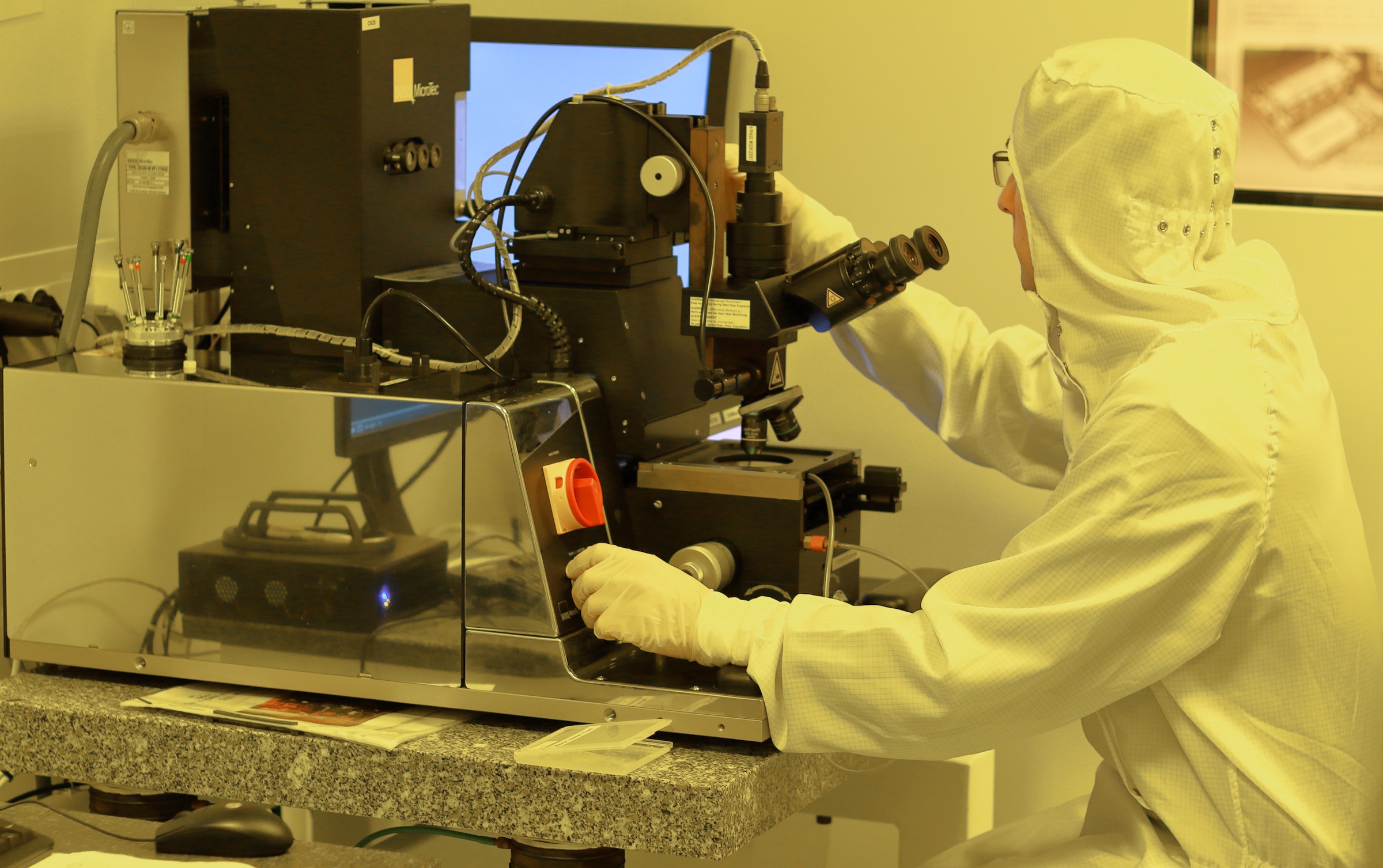
Mitsubishi Chemical Group announces a new semiconductor materials plant, operational by March 2025. While the location remains undecided, Fukuoka Prefecture is under consideration. Given the component's pivotal role in global electronics, this move aligns with Japan's strategy to boost its semiconductor sector.
Semiconductor chips, vital components in electronic devices such as phones and computers, gained global attention due to supply chain issues during the pandemic. Although semiconductor demand has experienced a slight dip in 2023 compared to the previous year, industry experts project a rebound in 2024.
Recognizing the criticality of semiconductors and the need for increased production, Mitsubishi Chemical's plan aligns with the Japanese government's investments in the domestic semiconductor sector. In 2021, the government announced its ambitious goal of exceeding ¥13 trillion ($87.6 billion) in annual semiconductor revenue by 2030.
This vision includes government-backed projects like Rapidus. The Rapidus project broke ground on a new facility in Hokkaido on September 1st.
Amid the government's renewed focus, local and foreign businesses are expanding semiconductor-related production in Japan. Taiwan Semiconductor Manufacturing Co., the world's largest contract chipmaker, is currently constructing a plant in Kumamoto Prefecture and has expressed interest in further expansion, contingent upon customer demand and government support.
Additionally, prominent companies such as Micron Technology and Intel have shown interest in entering the Japanese market. It resulted in substantial U.S., European, and South Korean investments.
The spotlight on semiconductors coincides with escalating tensions between the U.S. and China. The U.S. aims to restrict China's ability to establish a high-tech industry that could rival its own. As a result, the semiconductor industry has become an area of strategic importance and geopolitical competition.
As Mitsubishi Chemical progresses in its new semiconductor materials plant plan, the development can strengthen Japan's semiconductor sector and support its technological ambitions. This forthcoming facility, set to operate by 2025, underscores Mitsubishi Chemical's commitment to meeting future semiconductor demand while contributing to the growth of the global electronics industry.