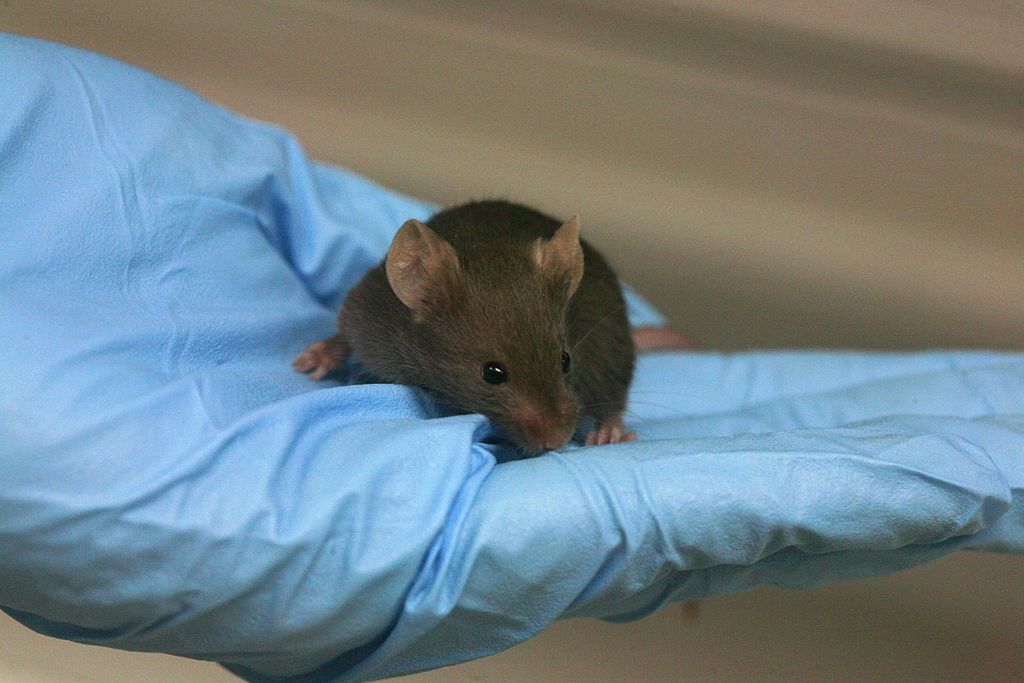
A new way to tinker with DNA has been gaining ground over the last few years, which made the creation of mutated mice a lot easier and more efficient. This new innovation is called CRISPR and it has turned Genetics on its head. In theory, anybody can get their hands on genetically modified mice now. Could this be the turning point in creating genetically altered human beings?
Until two years ago, hardly anyone had heard of CRISPR, Science Magazine reports. At the time, producing mutated mice was a laborious and complicated process that took an incredible amount of time. Now, practically every major laboratory working with mice is using or knows about the critters made through CRISPR, the brain-child of Michael Wiles.
In fact, the new method paved the way to allowing anyone with the equipment and the know-how to modify DNA of mice themselves without having to spend too much time doing it. It’s so easy now that Rudolf Jaenisch at MIT says it hardly required high-level skill sets.
“When you made knockout mice before, you needed some skills,” Jaenisch said. “Now, you don’t need them anymore. Any idiot can do it."
CRISPR effectively revolutionized medical research as well, Futurism reports. Mice are popular substitutes for doing tests because the chemical makeup of their brains is so close to that of humans. This made them excellent for testing new cures for diseases and see the effects of harmful viruses and bacteria to study them.
However, part of getting the whole picture was to isolate certain elements from the mice to make them more consistent. Since natural mice were too diverse to be reliable, changing the DNA of the critters to cripple certain aspects was necessary. This is where scientists were having a hard time.
With CRISPR, not only is this no longer a problem, it opened the way for practically every single lab in the U.S. to make their own mutated mice. It should be noted that mutating humans has become a lot easier as well.