Humanity has been sending objects and people to space for several decades, and during that time, the debris from the shuttles and machines sent beyond the earth’s atmosphere has been accumulating. Last Thursday, two of these space junks crash-landed on Myanmar, which fortunately did not result in injuries or fatalities. As a result, there is now growing concern as to how such incidents can be prevented in the future and what should be done about the remaining debris out in space.
The debris in question was a large metal cylinder that crashed in a mining area and a smaller object that landed on a resident’s home. In both cases, no one was harmed, The Guardian reports.
According to locals who saw the objects, Chinese characters were found on one of the crashed debris, which prompted allegations that they might have been from the recently launched satellite that came from the launch center in Jiuquan, China. The center is located 1,000 miles from Hpakank, where the large cylinder fell.
China has not released a statement confirming or denying that the crash debris belonged to one of their space projects. The investigation is still underway to pinpoint the origin of the objects as well, but the standing theory is that it came from space.
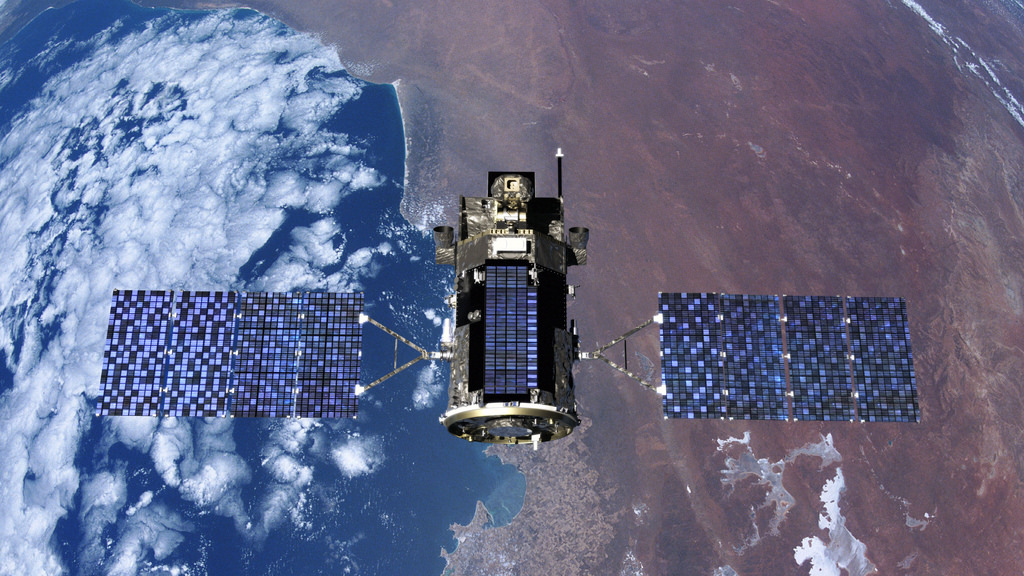
Space debris is a danger to both the people on the planet’s surface and those in space because of how fast they move, Futurism reports. They are mostly made up of old satellites that were decommissioned over the years or the ejected parts of rockets that took humans up into outer space after several trips to the stars.
According to NASA’s estimates, there could be as many as 500,000 pieces of debris floating out in space right now. Each and every one of those could pose a threat to humans on earth.