This week was the 51st anniversary of the historic Apollo 11 mission, where the US placed the first men on the moon back in 1969. According to Jim Donovan in his new book titled Shoot for the Moon, NASA had a very dangerous plan should the worst happen during the mission.
Donovan described how NASA prepared for the worst if in the event that the Apollo 11 mission went south. The author revealed that the mission was a lot more dangerous than it seemed to be, the computer used at the time would ring alarms when the spacecraft would reach 40,000 feet, the controllers needed to be very skilled so as prevent aborting the mission. There were 18 plans developed, and among those plans was a very dangerous scenario that would have to be carried out in case.
Astronaut Michael Collins previously revealed back in 2019 that he was aware that something may go wrong during the mission. At the time, NASA had given him some instructions to leave his colleagues Neil Armstrong and Buzz Aldrin behind to die on the Moon. Donovan shared that Collins was incredibly worried about that scenario ever coming true. “Collins developed tics in both his eyes at the thought of being unable to retrieve his two comrades and having to turn homeward and leave them on the Moon or circle it until they perished.”
Donovan also revealed that Collins had the 18 plans in a notebook which he kept close by. “Of such possibilities, nightmares bred,” wrote the astronaut, who was also sweating nervously while he waited for Armstrong and Aldrin to contact him when they were on the lunar surface.
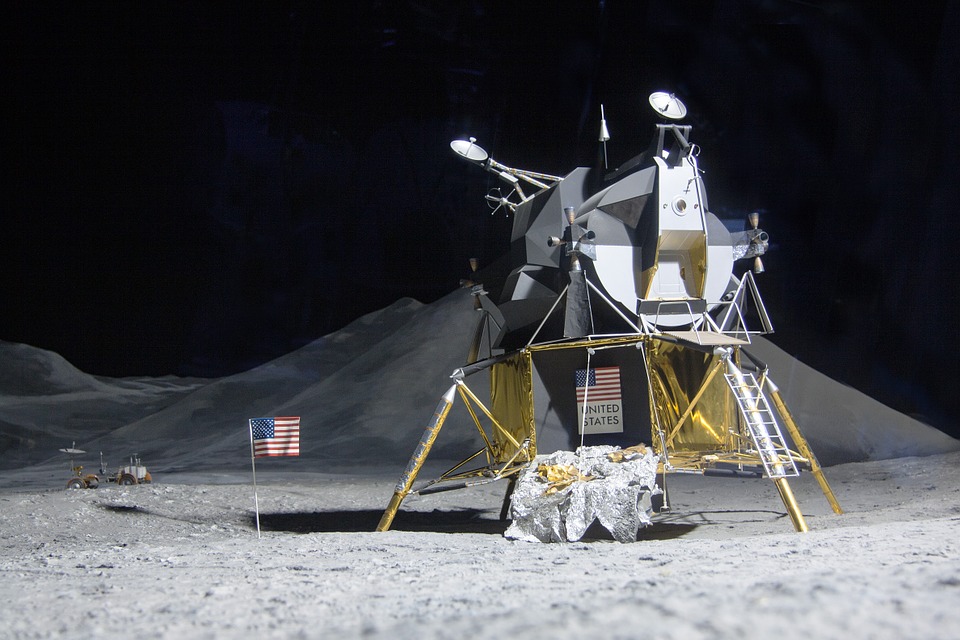
Colin Burgess, who has written several books about the Apollo 11 mission, described Armstrong as being way too good a pilot when it came to piloting the spacecraft that would land on the Moon. Burgess wrote in his blog why he described Armstrong in that way, revealing that the Eagle lander had a gentle touchdown on the surface of the moon, despite the Eagle lander only having aluminum legs which would get destroyed on impact. It was because the landing was very soft that the ladder from the spacecraft to the surface did not touch the ground, and its legs remained intact.
Thus, Armstrong’s famous “one small step” line was actually, literally, a big leap when the two astronauts set foot on the Moon.