


 US Dollar Index Falls as Fed Signals Caution, Indian Rupee Surges
  Trump Defends Russian Diesel Deal Amid US Sanctions Backlash
  Philippines Current Account Deficit Seen at $19.1 Billion in 2026
  US Stock Futures Rise as Oil Prices Fall Ahead of Q3 Earnings
  US Dollar Near 18-Month High Ahead of Inflation Data
  NEAR Protocol Leads AI Crypto Rally Amid Fed Rate Hike Fears
  Samsung, SK Hynix Shares Plunge as China Chip Competition Grows
  Oil Prices Rise as Houthi Attacks Threaten Middle East Supply
  Ripple Mints 19.6 Million RLUSD Amid Banking Expansion
  Gold Prices Rebound as Dollar Weakens Ahead of US Inflation Data
  Bumble Shares Surge 50% on $1 Billion Buyout Talks
  Oil Prices Surge Above $106 After Deadly Saudi Airport Attack
  MNX Crypto Exchange Launches Futures for OpenAI, Anthropic Valuations
  Albertsons Seeks $9.3 Billion From Kroger Over Failed Merger
  Tesla Holds $960 Million in Bitcoin as BTC Gains Top $710 Million
  Asian Stocks Plunge as AI Chip Selloff Hits South Korea and Japan
  Nvidia’s China AI Chip Market Share Falls to 34% as Huawei Gains Ground


 Add as a preferred source on Google
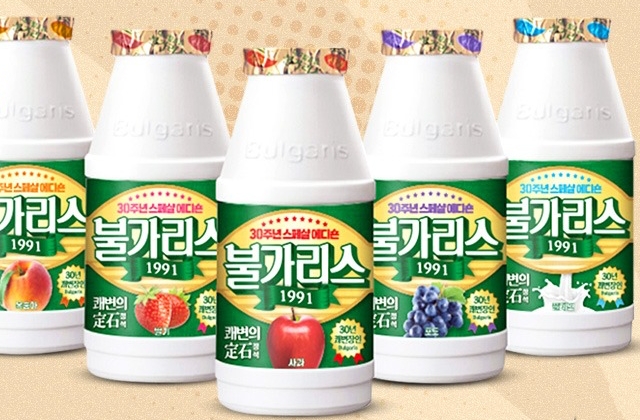
Namyang Dairy saw a surge in its shares after claiming its Bulgaris yogurt variants can help lower the risk of COVID-19 infection. The company's day trading on Wednesday, April 14, reportedly increased.
As per The Korea Herald, Namyang Dairy’s shares once shot up by 28.68% to KRW489,000 or around $437.39 in the early morning trading. It was added that within 20 minutes after the opening bell, the company’s preferred stocks also surge by the daily allowable limit of 29.78% to reach KRW231,000.
Prior to Wednesday’s results, it was reported that the firm’s shares went up 7.19% and 6.71% on Friday and Monday, respectively. It then increased again by 8.57% on Tuesday, and this shows that Namyang Dairy’s shares have been on the rise since last weekend and continued this week.
Namyang’s COVID-19 claim
Observers are saying that the company’s surge in shares may be due to its claims that its Bulgaris yogurt lineup can help reduce the risk of getting COVID-19. Some market insiders also think that some investors may have also used information that caused the hike in the recent stock tradings.
At any rate, what triggered the sudden increase in shares of Namyang Dairy was the statement given by the company during a news conference in Seoul.
“We’re the first firm in the country that has discovered fermented dairy products are effective in preventing influenza and COVID-19 viruses,” Namyang’s chief of antiviral immune research center, Park Jong Su, said at that time. “Our experiments showed that Bulgaris helped remove the Influenza A (H1N1) virus at a 99.999 percent rate of success, and the COVID-19 at a 77.8 percent success rate.”
He added that the test of the yogurt’s effectiveness in fighting coronavirus was done using the lung cells of a monkey. As a result of this claim, people reportedly rushed out to purchase Namyang Dairy’s Bulgaris yogurts in stores.
Statement from S. Korea’s health officials
After the announcement from Namyang, the public health authorities released a statement. The agency expressed its concern over the claims.
“The latest research result has not proved to be effective in eliminating those viruses in the human body,” the Korea Disease Control and Prevention Agency stated. “Therefore, it is hard to say whether it can serve as an actual prevention or treatment measure for (the viruses).”







