


 Trump Weighs FBI Probe Into Nolan Wells’ Death
  EU Rejects Italy, Greece Calls for Fiscal Rule Flexibility
  Pentagon Orders Iran Strike Preparations as Trump Weighs Military Action
  Trump Says He Deserves 2026 Nobel Peace Prize Despite Uncertain Chances
  ICC Rules Duterte Fit to Stand Trial in Drug War Case
  US Charges Maduro and Wife With Torture Conspiracy
  Marco Rubio Warns Russia-Ukraine War Could Spark Wider Conflict
  Trump Rallies in Texas as Republicans Face Tight Midterm Races
  US Pressures Allies to Distance From Anti-Disinformation Conference
  Tsai Warns of China’s Sustained Pressure on Taiwan
  Iran Refuses to Halt Uranium Enrichment Amid US Nuclear Demands
  Hegseth Praises USS Abraham Lincoln Crew After Record Iran War Deployment
  Mexico Bars Dual Citizens From Presidential Races Starting in 2028
  San Francisco Halts New Data Center Construction With 45-Day Moratorium
  Trump Backs Florida Golf Course as Presidential Retreat
  US-Led Coalition Targets Global Factory Overcapacity
  Mike Rogers Calls for End to US-Canada Tariff War


 Add as a preferred source on Google
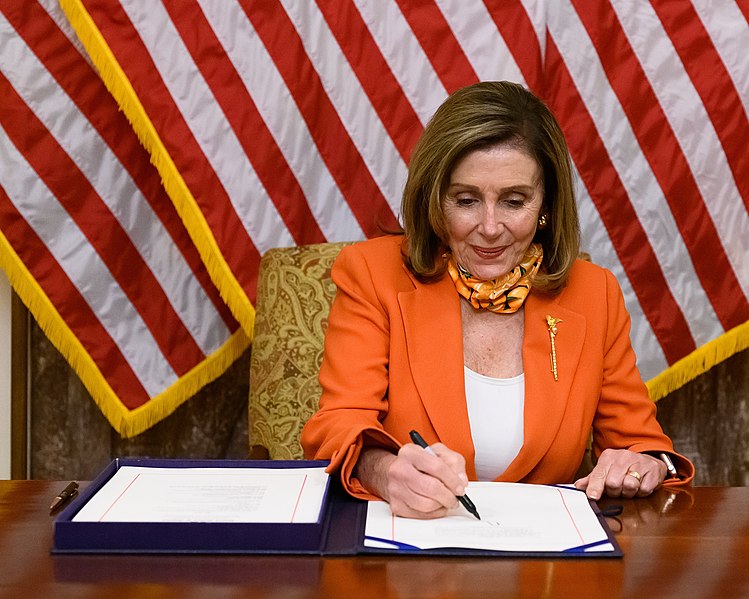
Following the recent passage of the $1.2 trillion bipartisan infrastructure package by the Senate, it is now up to the House to vote on the proposal. With the focus now on the Democratic majority in the House, House Speaker Nancy Pelosi now faces pressure from all factions of her party in its passage.
The Hill reports that Pelosi is facing pressure from both moderate Democrats and liberal Democrats regarding the passage of the infrastructure bill. Moderate Democrats are hoping to seize a big bipartisan achievement by voting on the proposal sooner, but liberal Democrats are looking to refrain from making a vote until the Senate passes the $3.5 trillion proposal through reconciliation. Pelosi has previously made her support towards the latter tactic known and has reiterated it since.
Democratic House leadership also made the move of cutting their seven-week recess short, assuming that the Senate passes the proposal this week. House Majority Leader Steny Hoyer said in a letter to his colleagues that the House will be in session on August 23 to take up the vote on the Democratic-led proposal.
While the bipartisan proposal looks to be on track to approval by the House, delaying the move may prove to be a risk as the Senate remains evenly divided and Republican support has proven to be critical. Nevertheless, moderate Democrats are calling on Pelosi to bring the proposal to the floor for a vote immediately shortly after the proposal passed the Senate.
Pelosi praised the passage but noted that it falls short of what US President Joe Biden and the Democrats were hoping for when they made the infrastructure push. Pelosi has then dismissed calls for an immediate vote.
Meanwhile, Pelosi and Senate Majority Leader Chuck Schumer criticized the GOP for threatening not to help raise the debt ceiling this year. Democrats argued that their party should not be the one to shoulder the politically toxic vote, noting that the country raked in debt of almost $7.8 trillion during the Trump administration. Only a small portion of Republicans had opposed the massive tax cuts and government spending during the pandemic, with only the wealthiest households benefiting from the cuts.







