


 Ripple Locks 700 Million XRP Back in Escrow After October Release
  Flydubai Co-Pilot Tried to Crash Israel-Bound Jet, Netanyahu Says
  Airbus Spain Workers Approve Deal to End Months of Strikes
  Disney Plans TV Restructuring With Hundreds of Layoffs
  BOJ Signals Faster Rate Hikes as Inflation Risks Grow
  Gold Steady as Softer U.S. Inflation Eases Fed Rate Hike Bets
  Standard Chartered Sees Ethena ENA Hitting $2 by 2028
  Italgas to Buy 22.5% Stake in Portugal’s Floene for €120 Million
  Gold Prices Slip as High Treasury Yields Weigh on Bullion
  Oil Prices Hold Steady as Middle East Supply Risks Persist
  Wall Street Edges Higher as Treasury Yields Retreat
  Amazon Eyes $8 Billion Nvidia Chip Spinoff to Fund AI Expansion
  Gold Prices Steady as Markets Await U.S. Jobs Data
  Zcash Awards $8 Million in Grants After Orchard Bug Crisis
  WordPress Malware Uses Ethereum to Evade Removal


 Add as a preferred source on Google
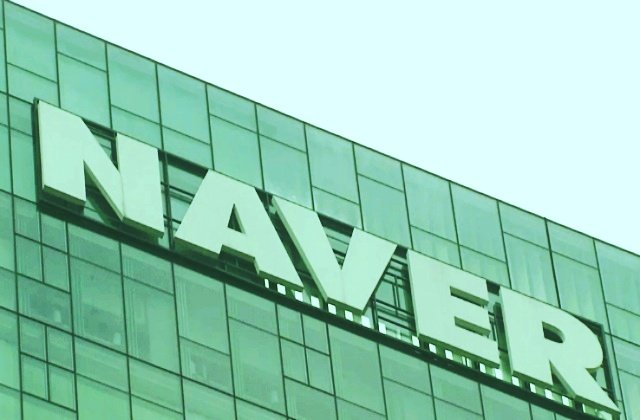
Naver and Kakao are two of the leading companies in South Korea. They are also rivals in some business areas, and today the two are said to be both facing declines with regards to profits.
According to The Korea Times, Naver and Kakao's share prices are expected to remain sluggish for the foreseeable future. Securities market analysts said that this is because of their dropping profitability due to the series of workers' pay increases.
Naver has signed an agreement with its unionized workers regarding the plan to add 10% on salaries this year. The hike will let each company staff to use up to ₩300,000 or around $244 of Naver's money every month to pay for their phone bills or purchase books. This will also allow them to park outside of the firm.
What's more, Naver made a commitment to provide monetary support for the company's in-house club activities. It was said that the online tech firm's plan for its latest wage hike came after it increased its payroll by seven percent last year and by five percent in 2020. The company took this step to prevent its software developers from leaving and moving to rival companies.
The voting for the new salary hike will take place today, and this will formally determine Naver's wage for 2022. But while the management is trying to keep its wages fair, it was reported that there are still employees who are demanding for an additional pay increase this year.
For Kakao, its share prices is not looking good as well after it decided to add 15% more for its employees' salaries. The company also implemented the wage hike despite unsatisfactory earnings in the fourth quarter last year.
"Kakao's first-quarter labor costs are expected to display a 61 percent rise year-on-year, and because of its additional hiring and wage increase this year, its annual labor cost is expected to rise 46 percent year-on-year, weighing on its operating profit," an analyst at Samsung Securities said.
Finally, the latest wage hikes in Naver and Kakao are good news for employees but apparently, these increases will hit the companies as it will have negative effects on the future earnings. "Because of the soaring labor costs, the year-on-year rise in its annual operating profit will not surpass 8.2 percent," a company official shared.







