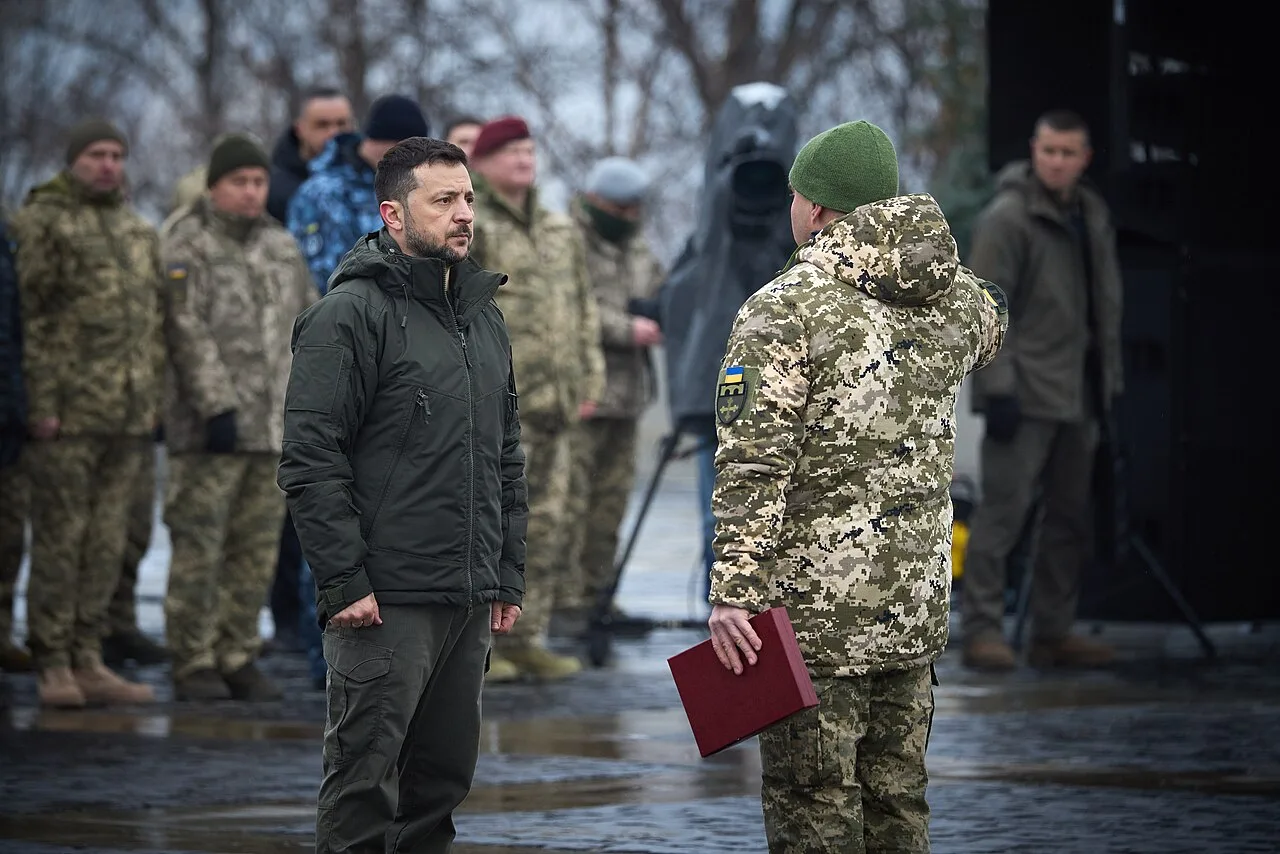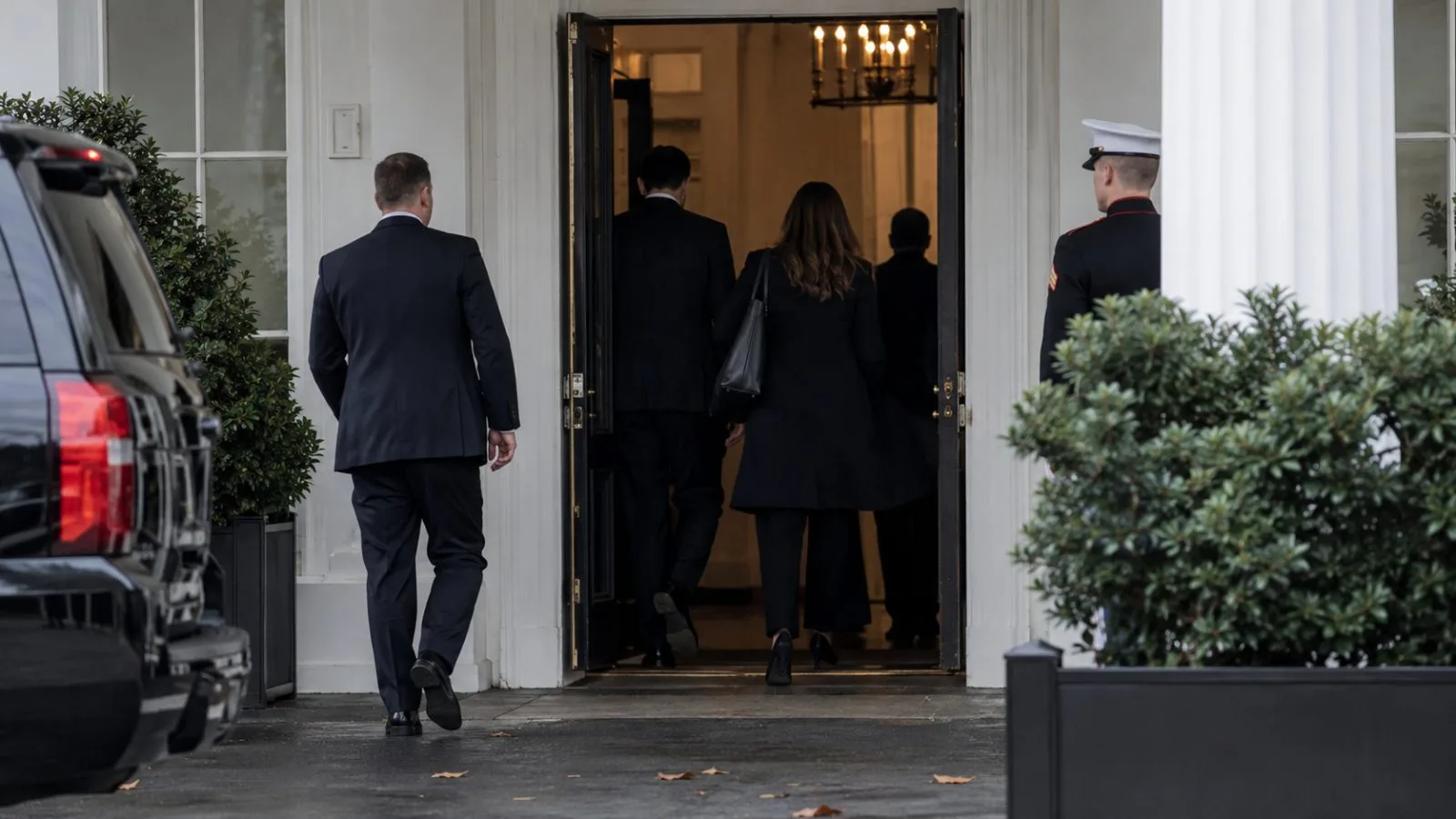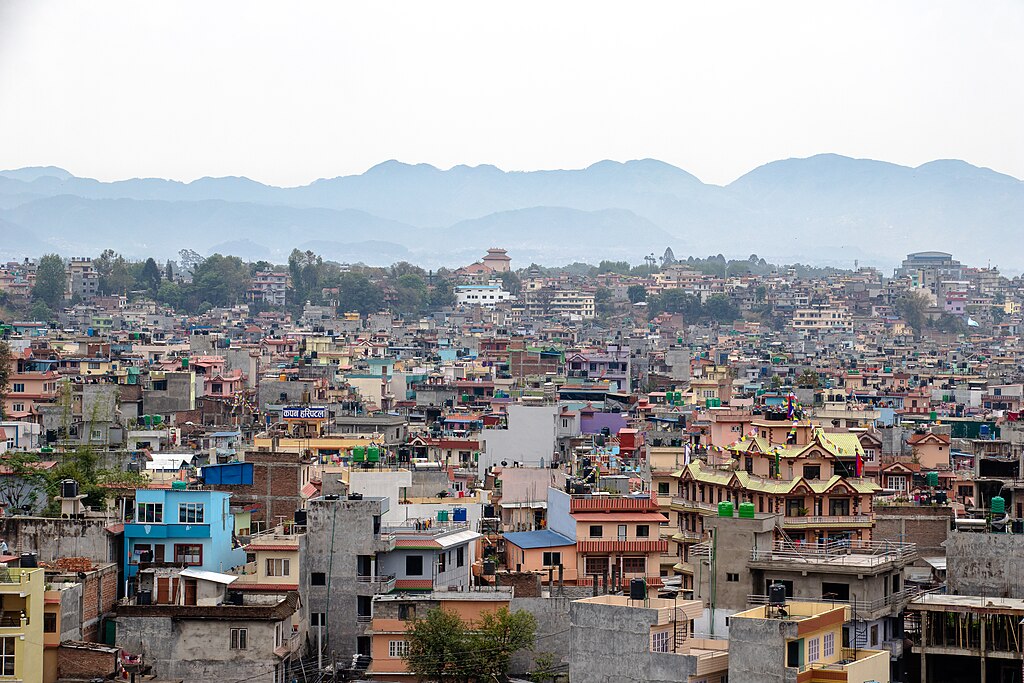
Nepal’s President Ramchandra Paudel has dissolved parliament and scheduled fresh elections for March 5, 2026, after a week of violent anti-corruption protests. The announcement came just hours after Paudel appointed former Chief Justice Sushila Karki as the country’s first woman Prime Minister to lead an interim government.
The decision followed days of nationwide unrest led by Nepal’s Gen Z youth, triggered by a controversial social media ban that was later revoked. The protests, which turned into the country’s worst political turmoil in years, left at least 51 people dead and over 1,300 injured. Prime Minister K.P. Sharma Oli resigned earlier this week under mounting pressure, paving the way for Karki’s appointment after negotiations between the president, army chief Ashok Raj Sigdel, and protest leaders.
India, Nepal’s southern neighbor, welcomed the development. Prime Minister Narendra Modi extended congratulations to Karki on X, emphasizing India’s support for Nepal’s peace, progress, and prosperity.
The upheaval briefly paralyzed the nation of 30 million, with businesses shuttered and vehicles off the streets. By Friday, normalcy began returning as shops reopened, traffic resumed, and police scaled down their heavy-handed presence.
Nepal has faced persistent political instability since the abolition of its monarchy in 2008. Economic challenges remain severe, with limited opportunities forcing millions of Nepali youth to seek employment abroad in countries like Malaysia, South Korea, and the Middle East.
As Nepal moves toward elections under an interim administration, the appointment of Sushila Karki marks a historic moment. Whether this shift can stabilize the country and restore public trust remains uncertain, but hopes are high that the new leadership will pave the way for reforms and long-term stability.