


 SpaceX Delays Starship V3 Launch Ahead of Potential Record IPO
  FDA Approves Mirum’s Atebrioz for Rare Bone Disorder FOP
  NASA Resumes Cygnus XL Cargo Docking with Space Station After Software Fix
  Novo Nordisk Raises 2025 Outlook Despite Wegovy Pill Miss and CagriSema Setback
  SK Biopharmaceuticals Secures Global Rights to Biohaven Epilepsy Drug Opakalim
  GLP-1 Weight-Loss Drug Use Surges Among U.S. Children
  Hengrui Shares Rise on $2.6 Billion Novo Nordisk Obesity Drug Deal
  NASA Artemis II: First Crewed Moon Mission Since Apollo Takes Four Astronauts on 10-Day Lunar Journey
  AstraZeneca, Bristol Myers Squibb Explore Mega Merger Worth Nearly $400 Billion
  GSK Unveils $2.52 Billion Cost-Cutting Plan to Accelerate Drug Pipeline
  US-Backed Pediatric HIV Treatment Drops After Foreign Aid Changes, Study Finds
  Blue Origin New Glenn Rocket Explodes During Launch Pad Test, Delaying Space Ambitions


 Add as a preferred source on Google
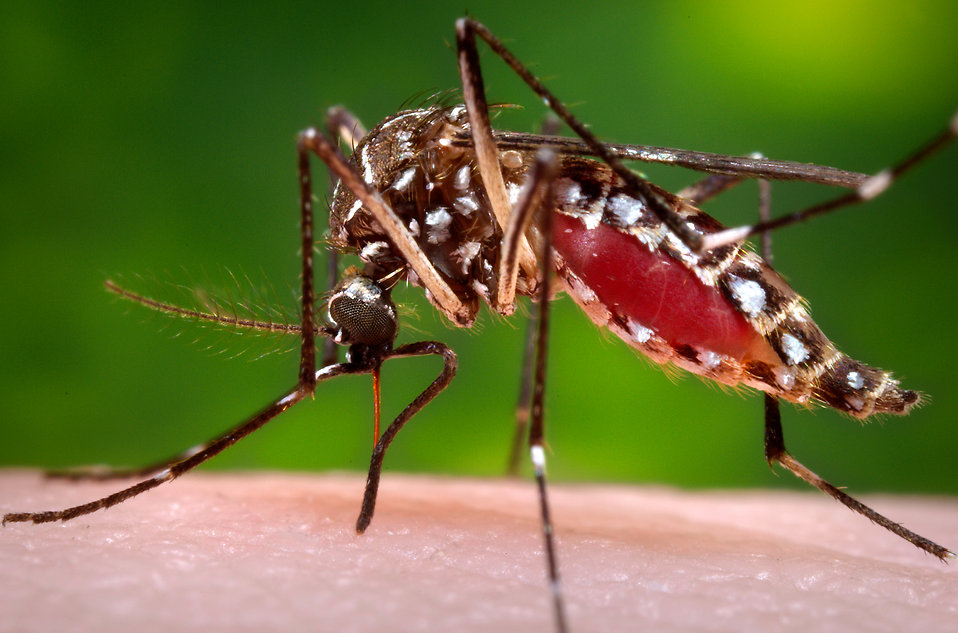
Mosquitos are the single deadliest insects in the world, killing millions of people every year through various diseases like dengue, malaria, and most recently, afflicting infants with the devastating effects of the Zika virus. A new insecticide was recently created, which has the effect of killing mosquitos by essentially making them bloat up with blood that they suck.
Jerod Denton, Ph.D., a pharmacologist at Vanderbilt recently published a study detailing how a molecule found in an experimental insecticide inhibits mosquitos from producing urine, Phys.org reports. Together with Peter Piermarini, Ph.D., an entomologist at Ohio State and several others, the study was published in the Scientific Reports journal.
The molecule in question is called the VU041 and it was tested out on the mosquito species Anopheles gambiae and Aedes aegypti. The former is a common carrier of malaria, while the latter is largely responsible for infecting people with the Zika virus. By introducing the molecule into the system of both mosquito species, their ability to produce urine is stopped.
"We're essentially preventing mosquitoes from producing urine after they take a blood meal," Denton explains.
As a result of the inhibition, the mosquitos end up blowing up in size by up to three hundred percent, in some case. This leads to the obvious result of being unable to fly, shortly followed by death.
These findings could not have come at a better time. The Zika virus had already crossed the Rio Grande and has even infected patients in Asian countries. According to The Independent, infected cases in Texas are only to be expected in the future, slowly crawling upwards.
Another reason why insecticides that target other parts of the mosquito in order to kill them are so important is the resistance that the insects are building towards conventional sprays. Most insecticides affect the nervous system of mosquitos, causing them to lose control and unable to fly. Over the years, most species exposed to the chemicals have built up a tolerance, thus rendering such products ineffective.







