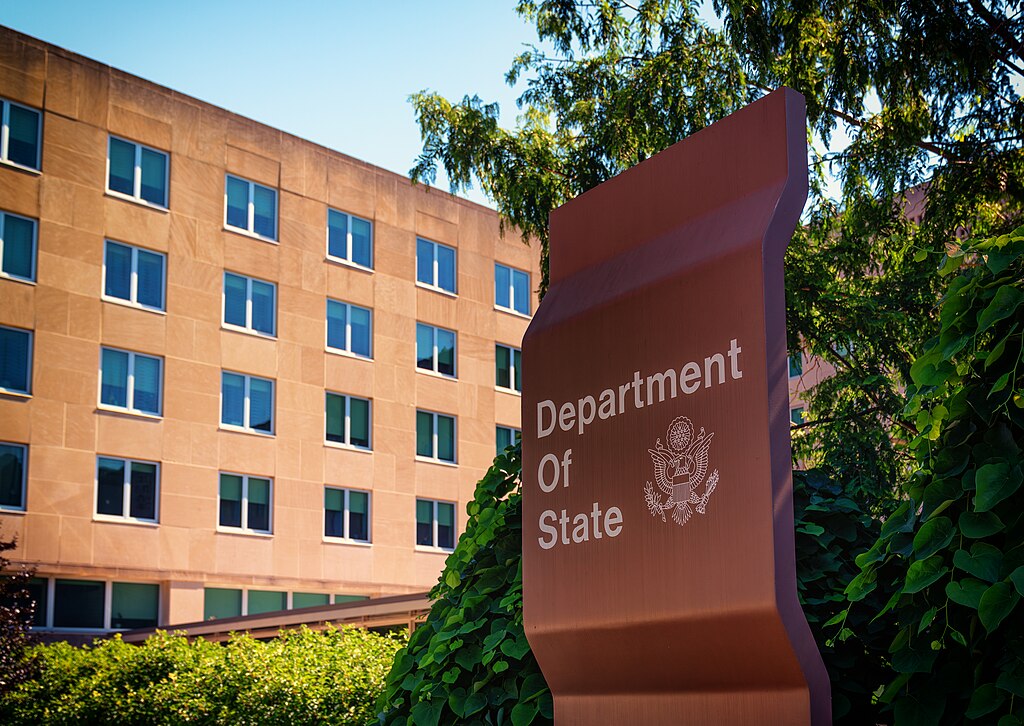
The United States and Rwanda have signed a five-year, $228 million health partnership designed to strengthen Rwanda’s healthcare system and improve long-term self-reliance. Announced by the U.S. State Department, the agreement is the second deal finalized under the Trump administration’s “America First Global Health Strategy,” following a similar pact with Kenya earlier in the week. The initiative aims to help partner nations build sustainable, locally driven health programs while supporting global health security.
Under the new agreement, the U.S. will contribute up to $158 million to support Rwanda’s efforts to combat HIV/AIDS, malaria, and other infectious diseases. Funding will also enhance disease surveillance, emergency response capacity, and overall health-system resilience. In parallel, the government of Rwanda has committed to increasing its own domestic health spending by $70 million, signaling a long-term shift toward national ownership as American support gradually tapers.
U.S. officials highlighted that the partnership reflects a shared vision to save lives and improve Rwanda’s health infrastructure while contributing to broader regional stability. The announcement came shortly after Rwandan President Paul Kagame and Democratic Republic of the Congo President Felix Tshisekedi reaffirmed their commitment to a U.S.-brokered effort aimed at easing tensions in eastern Congo.
The deal will also expand Rwanda’s use of innovative healthcare technologies, including drone delivery of medical supplies through Zipline, a startup known for rapidly transporting blood, vaccines, and other critical products to remote areas. According to Rwanda’s foreign minister Oliver Nduhungirehe, the agreement demonstrates the nation’s determination to build a self-sufficient, adaptive, and technology-driven health system capable of meeting current and future challenges.
By aligning financial investment with emerging technologies and public-health goals, the partnership aims to strengthen care delivery, reduce disease burden, and reinforce Rwanda’s progress toward long-term health independence.