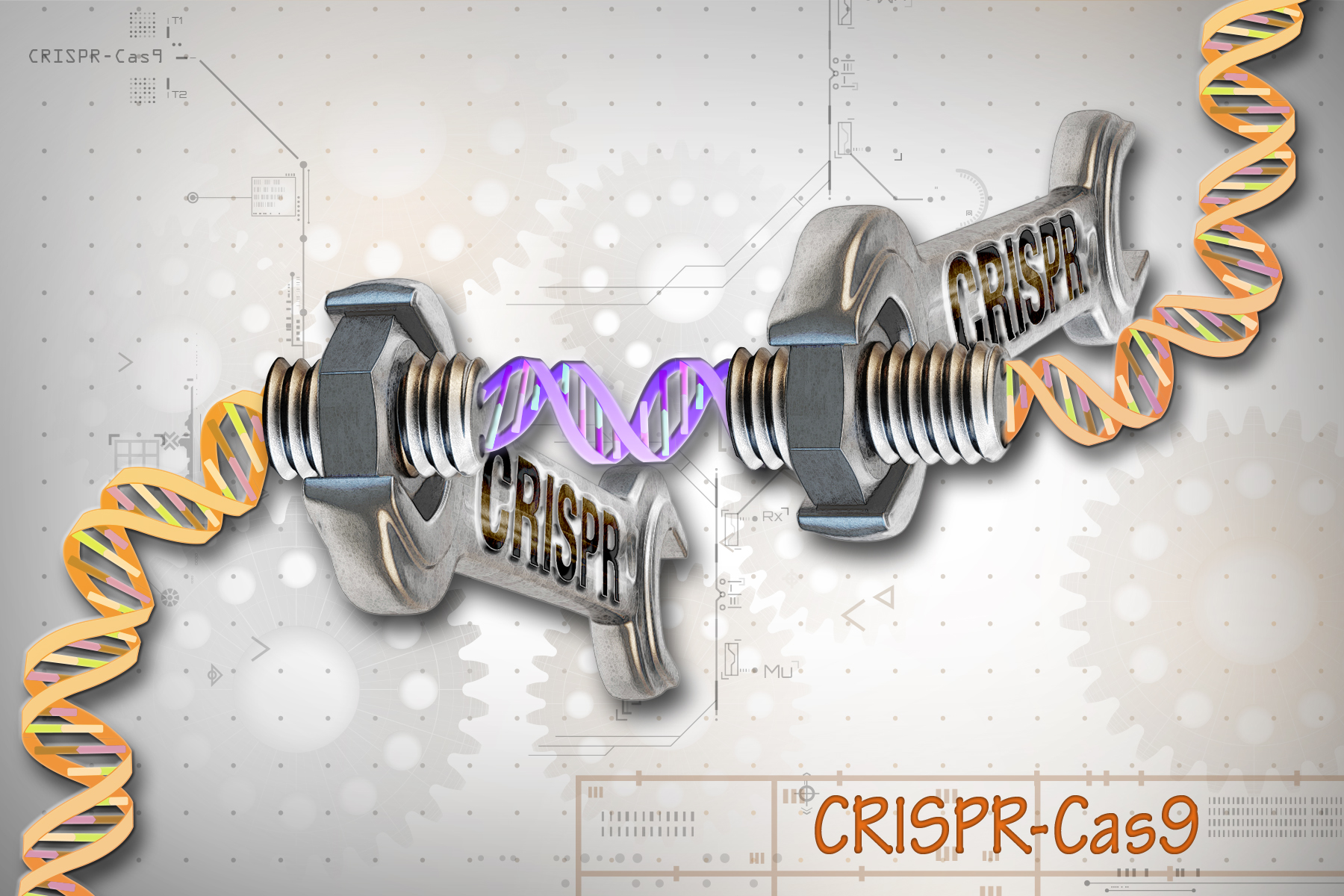
By now, the whole scientific community has become wholeheartedly fascinated with the gene-editing tool, CRISPR. It’s the single most powerful tool of its kind and one that has a lot of potential in curing diseases and overcoming natural barriers. However, there is always room for error in this field, which makes the new technique by University of Texas researchers all the more important.
Mistakes during the gene-editing process can be costly and could even lead to unrestrained mutations. Thanks to the new method by the researchers at the University of Texas, the gene-editing tool now has an editing protocol of its own to prevent mistakes, Futurism reports.
The new method works by basically predicting the kinds of mistakes that scientists can make when using CRISPR. Changing genomes is already hard enough, as the tool basically acts like a scissor to cut away at unwanted parts. There’s also another technique that makes it more precise, but human error is always going to be a factor worth taking into consideration.
In any case, this new technique helps scientists who are trying to edit natural errors that lead to Cancer and other forms of diseases avoid making new errors of their own. Think of it like the auto-correct on a smartphone. There will be many times that the feature makes a mistake by trying to correct a word that was already the right one to use, thus causing a misunderstanding.
The same principle can be applied to using CRISPR. Genomes that are already healthy can be accidentally cut while removing the unwanted ones.
According to the project’s principal investigator, Ilya Finkelstein, the difference in the genome of people can range into the millions. Trying to catch any problems with regards to editing these genomes is incredibly tricky, Phys.org reports. That’s why a testing model is required, which is what the technique the developed is for.