


 OpenAI Annualized Revenue Hits $50 Billion, Below Earlier Estimates
  Apple Supplier Luxshare Sees Limited Impact From US Patent Probe
  Zcash Plans Quantum-Resistant Security Upgrade for January
  Apple Supplier Luxshare Faces US Patent Probe, Sees Limited Impact
  Trump Buys Up to $25M in Meta Stock, Invests in SpaceX Debt
  Samsung, SK Hynix Shares Plunge as China Chip Competition Grows
  Most Americans Oppose Election Betting on Prediction Markets, Poll Finds
  Ethereum Foundation-Linked Wallets Move $11.13M in ETH to Kraken
  Meta Launches Muse Wonder AI Models, Shares Rise 3.7%
  Nasdaq Faces Pullback to 26,225 Despite Bullish Outlook, UBS Says
  Robinhood Chain Eyes Priority Gas Auctions for Faster Trades
  Moonshot AI Executives Seek Settlement Ahead of Hong Kong IPO
  Morgan Stanley Predicts $10 Trillion RWA Market by 2030
  Apple Names Steve Smith M&A Chief in Leadership Shakeup
  Jameson Lopp Downplays AI Threat to Bitcoin Cryptography
  Coinbase CEO Backs SEC Accredited Investor Reform


 Add as a preferred source on Google
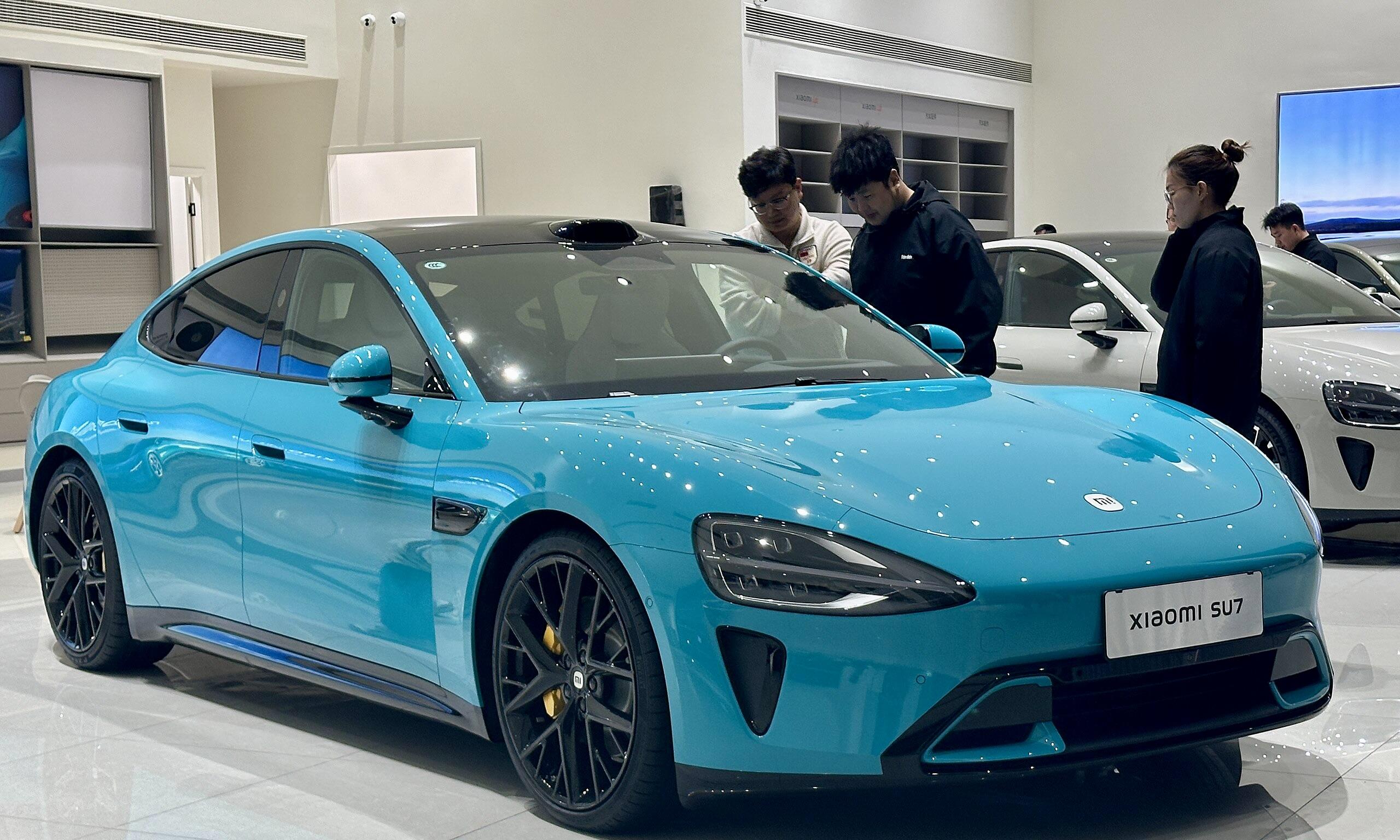
The U.S. Commerce Department announced plans to restrict the import of vehicle software from China and other rival nations by August, focusing on critical driver components, according to a senior official on Tuesday.
Key Vehicle Software Under Scrutiny
According to Reuters, a senior official from the U.S. Commerce Department said on Tuesday that the department intends to prohibit software developed in China and other countries seen as rivals when it issues draft regulations on connected automobiles next month.
"We're looking at a few components and some software - not the whole car - but it would be some of the key driver components of the vehicle that manage the software and manage the data around that car that would have to be made in an allied country," said Alan Estevez, the head of export controls, at a conference in the United States.
Biden Administration's Extreme Measures on Chinese Imports
Following the Biden administration's February investigation into the potential national security risks posed by Chinese vehicle imports, Commerce Secretary Gina Raimondo stated in May that her department intends to issue proposed regulations on Chinese-connected vehicles this autumn. Raimondo had previously warned that the Biden administration could take "extreme action" by banning or severely restricting such vehicles.
Estevez, the undersecretary of commerce for industry and security, has made the most conclusive statements regarding the administration's intentions for Chinese vehicles, which have caused widespread concern.
MSN shares in order to access the internet and share data with devices both inside and outside the vehicle, connected automobiles have network hardware integrated into the vehicle itself.
Concerns Over Data Security Prompt New Regulations
This is a very significant threat, Estevez stated on Tuesday.
A vehicle can be a terrifying sight. What your car knows about you is considerable. "Your car probably gets a software update, whether it's an electric vehicle or an autonomous combustion engine vehicle," he said.
In a previous statement, China's foreign ministry strongly encouraged the US "to respect the laws of the market economy and principles of fair competition." It contends that technological innovation and the emergence of intense market competition are the reasons Chinese cars are popular around the world.
In May, Raimondo stated, "you can imagine the most catastrophic outcome theoretically if you had a couple million cars on the road and the software were disabled."
U.S. imports of light-duty cars manufactured in China are low. By August 1st, the Biden administration hopes to have implemented its planned steep tariff increases on electric vehicles and other commodities imported from China.







