


 Tencent Shares Fall as $5 Billion AI Bond Sale Weighed
  Anthropic Launches Claude Dashboards and Motion AI Tools
  Jameson Lopp Downplays AI Threat to Bitcoin Cryptography
  FAA Warns US Airlines Over Saudi Arabia Flight Risks
  Amazon in Talks to Acquire AI Startup Decart for $7 Billion
  Samsung, SK Hynix Shares Plunge as China Chip Competition Grows
  Yandex Data Center Hit by Drone Strike as Russia-Ukraine Cyber Infrastructure Attacks Escalate
  Nvidia’s China AI Chip Market Share Falls to 34% as Huawei Gains Ground
  PepsiCo Slashes Poppi Earnout Valuation as Growth Slows
  European Auto Stocks Rise as EU-China Trade Deal Targets Hybrid Imports
  Coinbase CEO Backs SEC Accredited Investor Reform
  Airbus Tests Valkyrie Combat Drone in Europe for Eurofighter Integration
  Samsung, SK Hynix Shares Fall as China's CXMT Advances DRAM Technology
  Zcash Plans Quantum-Resistant Security Upgrade for January
  Apple Names Steve Smith M&A Chief in Leadership Shakeup


 Add as a preferred source on Google
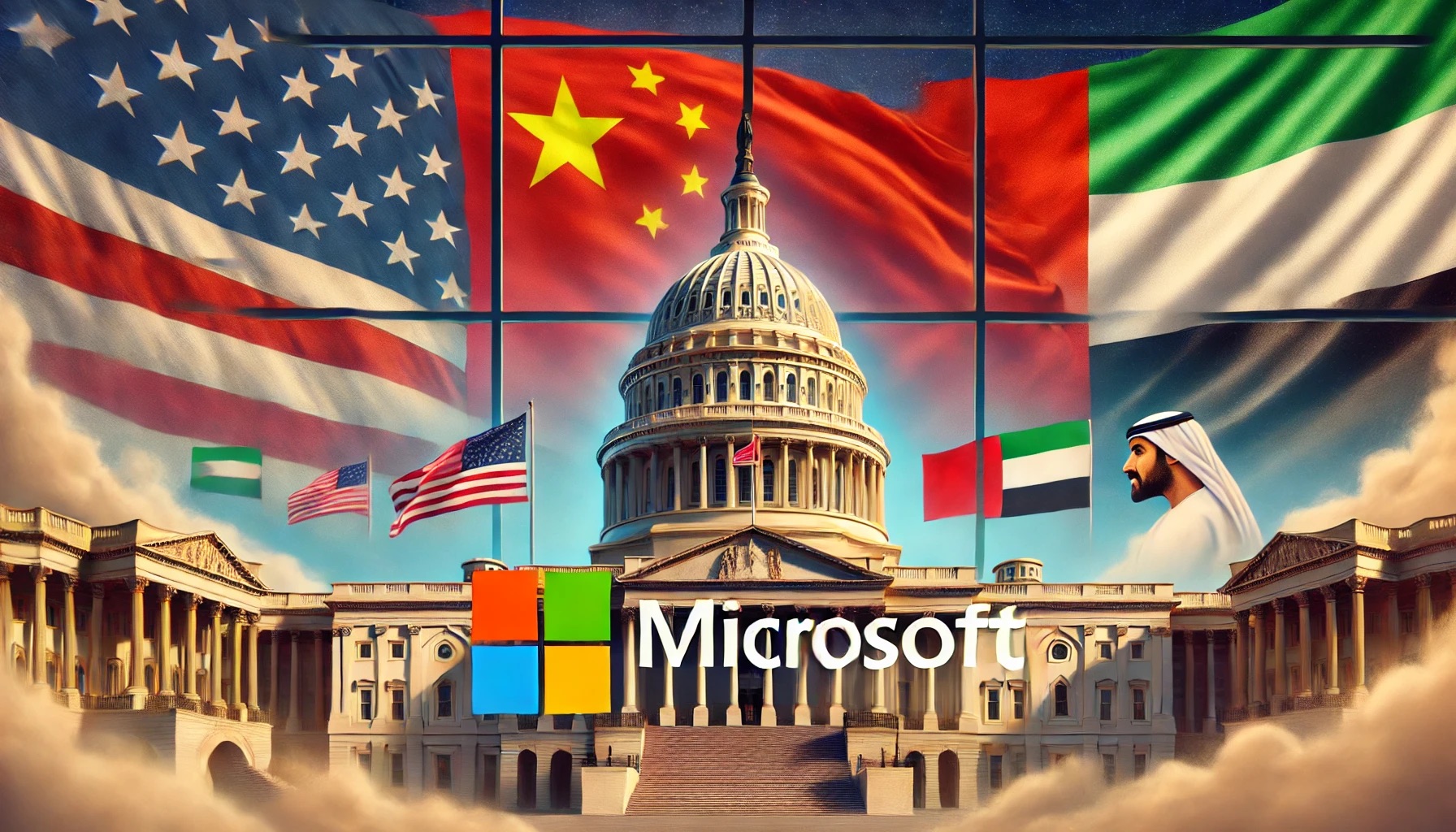
Republican lawmakers have asked for an intelligence review of Microsoft's $1.5 billion investment in the UAE's AI firm G42 due to concerns about China's potential influence and technology transfer risks.
Lawmakers Call for Intelligence Review
Reuters reports that Republican lawmakers requested an intelligence review from the Biden administration regarding Microsoft's $1.5 billion investment in the UAE-based artificial intelligence startup G42.
Concerned about the potential transfer of sensitive technology and G42's historical ties to China, the lawmakers cited G42's historical ties to China as reasons for their request.
Committee chair Michael McCaul of the House Foreign Affairs Committee and Select Committee on China leader John Moolenaar wrote to White House national security advisor Jake Sullivan on Wednesday, according to the committees, requesting a briefing.
Before moving on to the second phase, which involves the transfer of export-restricted semiconductor chips and model weights—sophisticated data that enhances an AI model's capacity to mimic human reasoning—the Republicans have stated their want for the briefing on the arrangement, which was announced in April.
Concerns Over Technology Transfer to China
MSN shares that amid rising concerns that businesses like G42 may share valuable technology with U.S. rivals like China, the letter reflects a rising tide of worry about the absence of laws regarding the export of sensitive AI models.
"We remain deeply concerned by attempts to move quickly to advance a partnership that involves the unprecedented transfer of highly sensitive, U.S.-origin technology, without congressional consultation or clearly defined regulations in place," according to the letter from the legislators.
They want the United States to evaluate G42's links to the Chinese government, military, and Communist Party before the Microsoft agreement goes forward. They referenced Xinhua, the Chinese state news agency, which states that President Sheikh Mohamed bin Zayed Al Nahyan of the United Arab Emirates recently visited Beijing to explore AI cooperation.
Microsoft Ensures Collaboration with U.S. Government
A spokesperson for Microsoft stated that the company is in tight collaboration with the federal government and that "U.S. national security will continue to be a principal priority."
A spokeswoman for the White House National Security Council explained that the government has been keeping lawmakers apprised of the dangers posed by digital infrastructure through frequent interaction. "National Security Advisor Jake Sullivan looks forward to continuing this engagement, including with Chair McCaul," according to the source.
Neither G42 nor the UAE embassy's spokespeople returned calls seeking comment.
The Chinese Embassy pointed out, "The U.S. has repeatedly undermined cooperation between Chinese companies and other countries on trumped-up security grounds."







