


 Jordan Bardella Antisemitism Allegations Threaten Le Pen’s Campaign
  Most Americans Oppose Election Betting on Prediction Markets, Poll Finds
  Netanyahu Rejects Preemptive Iran Strike Ahead of Israel Election
  MI5 Warns of Rising Iran, Russia Threats and AI Bioweapon Risks
  Flavio Bolsonaro Backs Brazil’s 40-Hour Workweek Reform Ahead of Runoff
  US Condemns China Sanctions on Taiwan Allies Belize and Paraguay
  FBI Denies Report of Kash Patel’s Russia Visit
  Trump Announces Massive Oil and Mineral Exploration Plans in Greenland
  US Recalls Nicaragua Envoy After Ambassador Rejection
  China Warns Taiwan Over South China Sea Coast Guard Incident
  Trump Denies Russia and China Are Helping Iran in U.S. Conflict
  Zelenskiy Seeks New US Talks to Revive Ukraine-Russia Peace Negotiations
  SpaceX Starlink Restrictions Disrupt Ukraine Military Operations
  Trump Warns Houthis Over Attacks, Considers Erdogan Intervention
  Trump Confirms US Intelligence Sharing With Ukraine Amid Russian Strikes
  US Senate Midterms 2026: Key Races That Could Flip Control
  Gaza Olive Harvest Collapses as War Destroys Farmland


 Add as a preferred source on Google
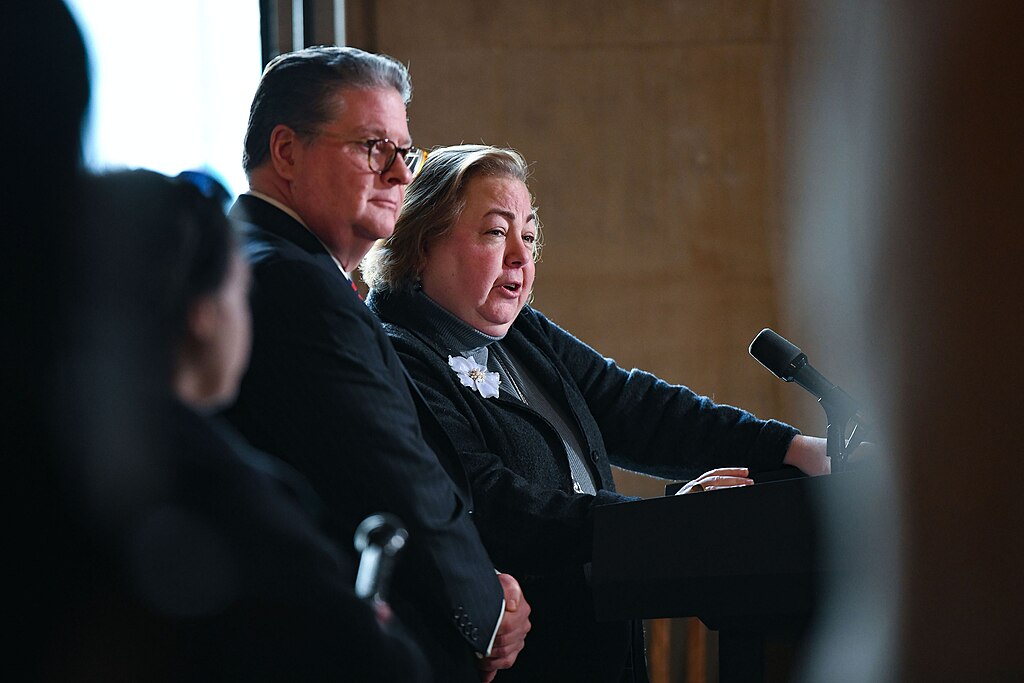
In the wake of President-elect Donald Trump's victory, New York State Senator Liz Krueger has reignited discussions about the state's future within the United States. Krueger, a Democrat representing Manhattan, suggested that New York, along with neighboring states, consider seceding from the U.S. to join Canada. This proposal underscores the deep political divisions and concerns about the nation's direction under the incoming administration.
A Radical Proposition Amid Political Turmoil
Senator Krueger's idea isn't entirely new. In September, prior to the election, she proposed that New York, Connecticut, Massachusetts, and Vermont explore the possibility of joining Canada. This suggestion stemmed from apprehensions about federal policies and their potential impact on progressive states. Krueger emphasized that such a move would allow these states to align more closely with their social and economic values.
Financial Implications and Strategic Considerations
Krueger highlighted the substantial financial contributions these states make to the federal government, suggesting that reallocating these funds could support their economies independently. She noted, "We’re talking money we couldn’t possibly replace unless we started sending the feds a lot less money." This perspective reflects a strategic approach to leveraging economic power in response to federal policies perceived as misaligned with the states' interests.
Public Reaction: A Nation Divided
The proposal has sparked a wide array of reactions on social media:
-
@LibertyLover: "Secession? Really? This is unpatriotic and divisive."
-
@ProgressivePat: "Maybe it's time we consider alternatives if the federal government doesn't represent us."
-
@NYCNative: "Joining Canada? Sounds extreme, but these are extreme times."
-
@Constitutionalist: "Secession is unconstitutional. We need to work within the system."
-
@GlobalCitizen: "Interesting idea. Aligning with Canada could have economic benefits."
-
@HistoryBuff: "Didn't we fight a war over secession? This is a dangerous path."
Historical Context and Legal Challenges
The concept of secession is not new in American history. However, it presents significant legal and constitutional challenges. The U.S. Constitution does not provide a clear mechanism for states to secede, and past attempts have led to conflict, most notably the Civil War. Legal scholars argue that any move toward secession would face substantial hurdles, including potential Supreme Court challenges and the need for widespread political support.
Looking Forward: Navigating a Divided Political Landscape
Senator Krueger's proposal reflects the deep divisions and uncertainties in the current political climate. While the idea of secession is radical and faces numerous obstacles, it underscores the need for dialogue and potential reforms to address the concerns of states feeling increasingly alienated by federal policies. As the nation moves forward, finding common ground and fostering unity will be crucial in navigating these challenging times.







