


 Netanyahu Rejects Preemptive Iran Strike Ahead of Israel Election
  US Condemns China Sanctions on Taiwan Allies Belize and Paraguay
  Kim Jong Un Showcases ICBM Ahead of Possible Trump Meeting
  IMF Warns US Debt Crisis Needs Fiscal Action, Urges China to Boost Consumption
  Trump Denies Russia and China Are Helping Iran in U.S. Conflict
  Zelenskiy Says Ukraine Received No Warning Before Russian Missile Attack
  China Warns Taiwan Over South China Sea Coast Guard Incident
  China Resumes US Soybean Purchases After Trump-Xi Summit
  UN Urges Talks on Lebanon Peacekeeping Mission Extension
  Zelenskiy Says Trump’s Support for Russia Is ‘Painful’
  Elon Musk Donates $366 Million to 2026 US Midterms
  Trump Warns Houthis Over Attacks, Considers Erdogan Intervention
  Trump Announces Massive Oil and Mineral Exploration Plans in Greenland
  MI5 Warns of Rising Iran, Russia Threats and AI Bioweapon Risks
  US Justice Department Drops Prosecution of Ex-CIA Analyst Sue Mi Terry
  Flavio Bolsonaro Backs Brazil’s 40-Hour Workweek Reform Ahead of Runoff
  Most Americans Oppose Election Betting on Prediction Markets, Poll Finds


 Add as a preferred source on Google
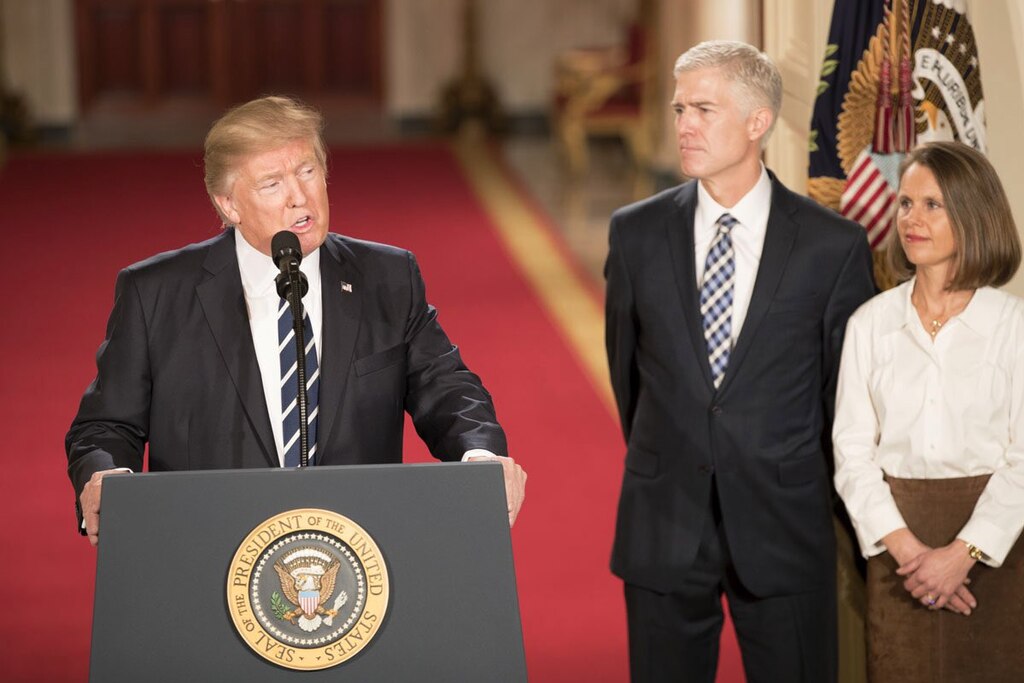
In a significant policy proposal, advisers to former President Donald Trump have suggested halting U.S. military aid to Ukraine unless it engages in peace negotiations with Russia. This strategy aims to expedite the resolution of the ongoing conflict, which has resulted in substantial casualties and geopolitical instability.
Proposed Strategy to End the Conflict
Retired Lieutenant General Keith Kellogg and Fred Fleitz, both former National Security Council chiefs of staff under Trump, have crafted a plan contingent on Trump's potential re-election. The proposal involves conditioning further U.S. weapons deliveries to Ukraine on its willingness to enter peace talks with Russia. Simultaneously, the U.S. would caution Moscow that refusing to negotiate would lead to increased American support for Ukraine.
The plan advocates for a ceasefire along existing battle lines as a precursor to negotiations. It suggests that Ukraine defer its NATO membership aspirations for an extended period, while areas currently under Russian control would remain so during the interim. Kellogg expressed concern over the protracted nature of the conflict, stating, "Our concern is that this has become a war of attrition that’s going to kill a whole generation of young men."
Potential Implications for U.S. Foreign Policy
This approach marks a departure from the current U.S. policy, which has involved substantial military aid to Ukraine without explicit preconditions for peace talks. The Biden administration has consistently supported Ukraine's defense efforts and its eventual integration into NATO. Earlier this year, President Biden and Ukrainian President Volodymyr Zelenskyy signed a 10-year bilateral security agreement, reinforcing the U.S. commitment to Ukraine's sovereignty.
Implementing the proposed plan could lead to a shift in U.S. foreign policy, potentially affecting relations with European allies and altering the dynamics of the NATO alliance. Some analysts express concern that such a strategy might embolden Russia, leading to a protracted frozen conflict rather than a comprehensive resolution.
Reactions from the Public
The proposal has sparked diverse reactions on social media platforms:
-
@PeaceNow2024: "Finally, a pragmatic approach to end the bloodshed. Diplomacy over endless warfare."
-
@DefenseHawk: "Halting aid undermines our allies and emboldens aggressors. A dangerous precedent."
-
@GlobalObserver: "Conditional aid could force both parties to the table. Worth considering."
-
@HumanRightsAdvocate: "Peace talks are essential, but not at the expense of Ukraine's sovereignty."
-
@PolicyAnalystJoe: "This strategy risks creating a frozen conflict, leaving issues unresolved."
-
@VeteranVoice: "As a vet, I support any effort that prioritizes diplomacy over prolonged conflict."
Looking Forward
As the 2024 presidential election approaches, foreign policy strategies, particularly concerning the Russia-Ukraine conflict, are expected to be pivotal topics of debate. The proposed plan underscores the complexities of balancing diplomatic efforts with military support in international conflicts. The global community will closely monitor how these proposals evolve and their potential impact on the ongoing war in Ukraine.







