


 Trump Confirms US Intelligence Sharing With Ukraine Amid Russian Strikes
  US Justice Department Drops Prosecution of Ex-CIA Analyst Sue Mi Terry
  Flavio Bolsonaro Backs Brazil’s 40-Hour Workweek Reform Ahead of Runoff
  SpaceX Starlink Restrictions Disrupt Ukraine Military Operations
  Gaza Olive Harvest Collapses as War Destroys Farmland
  Trump Warns Houthis Over Attacks, Considers Erdogan Intervention
  Zelenskiy Says Trump’s Support for Russia Is ‘Painful’
  Most Americans Oppose Election Betting on Prediction Markets, Poll Finds
  US Condemns China Sanctions on Taiwan Allies Belize and Paraguay
  US Senate Midterms 2026: Key Races That Could Flip Control
  US Recalls Nicaragua Envoy After Ambassador Rejection
  Zelenskiy Seeks New US Talks to Revive Ukraine-Russia Peace Negotiations
  MI5 Warns of Rising Iran, Russia Threats and AI Bioweapon Risks
  US Supreme Court Denies Release of Anti-ICE Activist Kyle Wagner
  UN Urges Talks on Lebanon Peacekeeping Mission Extension
  Trump Announces Massive Oil and Mineral Exploration Plans in Greenland
  Jordan Bardella Antisemitism Allegations Threaten Le Pen’s Campaign


 Add as a preferred source on Google
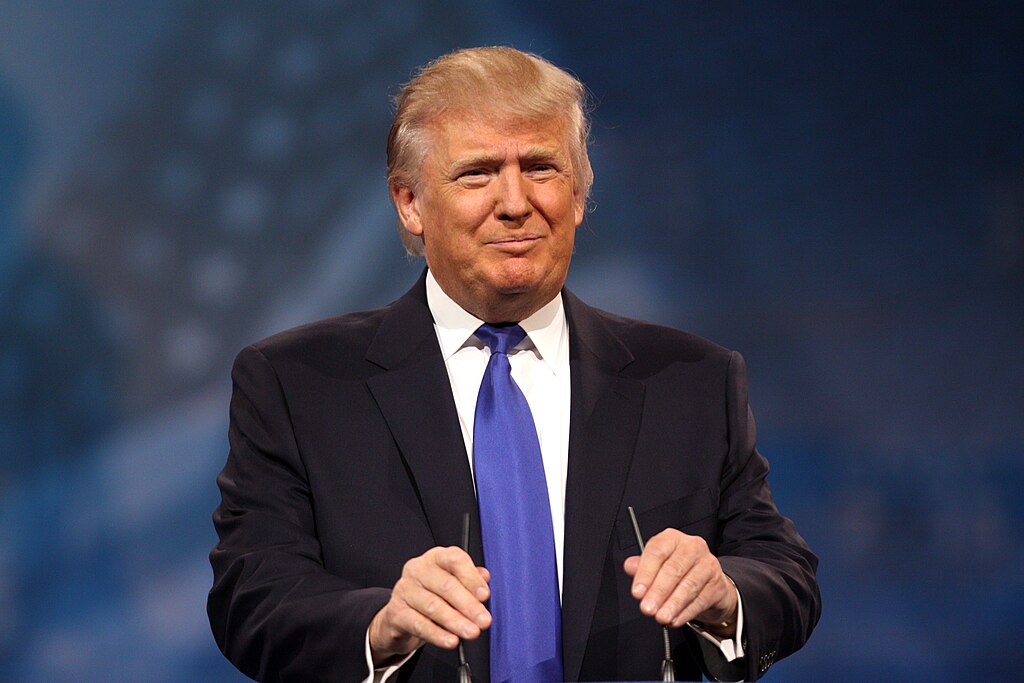
A recent Economist/YouGov poll indicates that a significant portion of American adults, including Hispanics, support President-elect Donald Trump's proposal to end the nation's "anchor baby" policy. This policy grants automatic citizenship to children born in the United States to non-citizen parents.
Widespread Support Across Demographics
The survey reveals that 57% of Americans approve of rescinding birthright citizenship for children of undocumented immigrants. Notably, this support extends across various demographic groups, with 45% of Hispanic respondents favoring the policy change. This data suggests a shift in perspectives among communities traditionally perceived as opposing stricter immigration measures.
Political Implications and Public Opinion
President-elect Trump's stance on immigration has been a cornerstone of his political platform. The proposed termination of birthright citizenship aligns with his broader agenda to reform immigration policies. Supporters argue that this move addresses concerns over illegal immigration and the exploitation of citizenship laws. Critics, however, contend that such measures could lead to constitutional challenges and potential human rights issues.
Netizens React
The poll's findings have ignited discussions on social media platforms:
-
@LibertyLover: "It's about time we close loopholes in our immigration system. This is a step in the right direction."
-
@HispanicHeritage: "Surprised to see such support among Hispanics. Shows our community isn't monolithic in thought."
-
@ConstitutionalConservative: "Ending birthright citizenship raises legal questions. We must tread carefully to uphold constitutional values."
-
@ImmigrantAdvocate: "Policies like this can lead to family separations and marginalization. We need compassionate solutions."
-
@PolicyWonk: "Interesting shift in public opinion. Reflects growing concerns over immigration policies."
-
@GlobalCitizen: "America's strength lies in its diversity. Restrictive policies undermine our core values."
Constitutional Considerations
The 14th Amendment of the U.S. Constitution grants citizenship to all individuals born on American soil. Altering this provision would require significant legal scrutiny and potential amendments. Legal experts emphasize the complexity of modifying constitutional rights and caution against hasty policy changes without thorough analysis.
Conclusion
The Economist/YouGov poll highlights a notable shift in public opinion regarding birthright citizenship. As the incoming administration prepares to implement its immigration agenda, these findings underscore the importance of balancing policy reforms with constitutional principles and human rights considerations.







