


 SpaceX Delays Starship V3 Launch Ahead of Potential Record IPO
  NASA and Roscosmos Chiefs Meet in Florida to Discuss Moon and ISS Cooperation
  China vs. NASA: The New Moon Race and What's at Stake by 2030
  Neuralink Plans High-Volume Brain Implant Production and Fully Automated Surgery by 2026
  Blue Origin New Glenn Rocket Explodes During Launch Pad Test, Delaying Space Ambitions
  Trump and Merck KGaA Partner to Slash IVF Drug Costs and Expand Fertility Coverage
  Trump Administration Releases New UFO Files and Apollo Mission Records
  SpaceX Prioritizes Moon Mission Before Mars as Starship Development Accelerates
  Trump Administration to Launch Autism Initiatives Targeting Acetaminophen Use and New Treatment Options
  SpaceX Pivots Toward Moon City as Musk Reframes Long-Term Space Vision
  Cogent Biosciences Soars 120% on Breakthrough Phase 3 Results for Bezuclastinib in GIST Treatment


 Add as a preferred source on Google
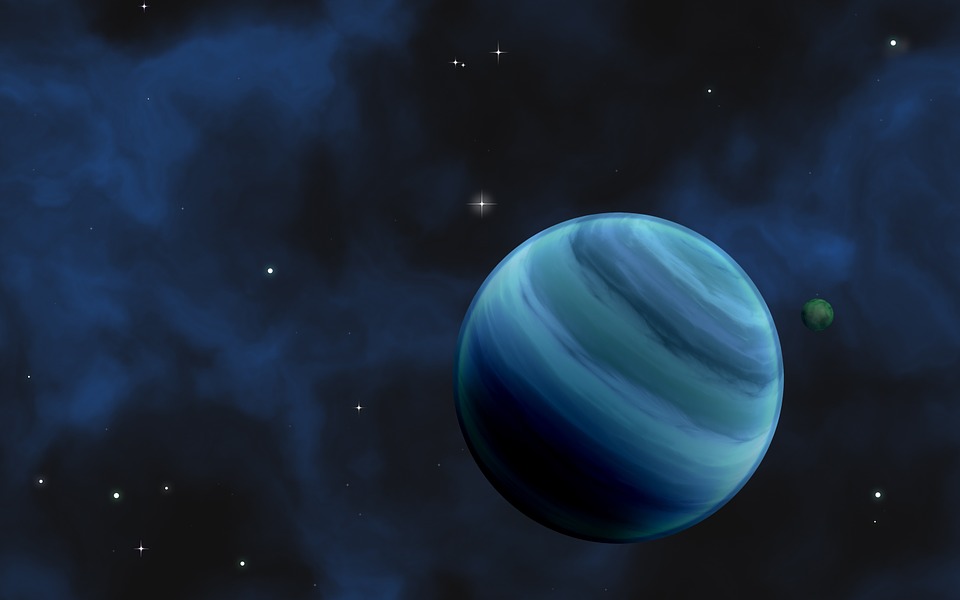
When it comes to determining if a distant or nearby planet is habitable, scientists usually search for the fundamental elements found in Earth’s atmosphere in the atmospheres of these other planets. However, a new study suggests a new way of determining whether an exoplanet is habitable or not, therefore reshaping what would define a habitable planet.
Express reports that a study conducted by researchers from MIT suggests that exoplanets that have atmospheres that are abundant in hydrogen could also be habitable. Their findings, which are published in Nature Astronomy, revealed that microorganisms could actually survive and thrive in an atmosphere that is completely made up of hydrogen. The findings also suggest that living beings can actually thrive in more exoplanetary environments than what was usually known.
According to Professor Sarah Seager, who led the study, biologists have already found that organisms could really thrive in atmospheres that are predominantly made up of hydrogen. However, Professor Seager also added that it is likely that biologists may not have expected this result from a hydrogen atmosphere because the element is not known for being toxic to living beings. From the experiments Professor Seager and her team conducted, they found that the living microorganisms were not getting their energy from the atmosphere but from the liquid culture that they were steeped in.
“Rocky planets with hydrogen atmospheres would be easier to study than atmospheres with Nitrogen or carbon dioxide atmospheres because hydrogen is a light gas and creates an expansive atmosphere,” said Professor Seager.
In other related news, it was previously reported that the Kepler space telescope from NASA’s discoveries of exoplanets similar to Earth could be of help in searching for life beyond Earth. A study that was published back in August of 2019 found that as the Kepler telescope has discovered many exoplanets of various shapes, sizes, and environments, scientists could be able to use the findings to help shape future missions and further studies of planets that could potentially be habitable.
The Kepler telescope discovered over 2,600 exoplanets orbiting hundreds of thousands of stars during its nine-and-a-half year run.







