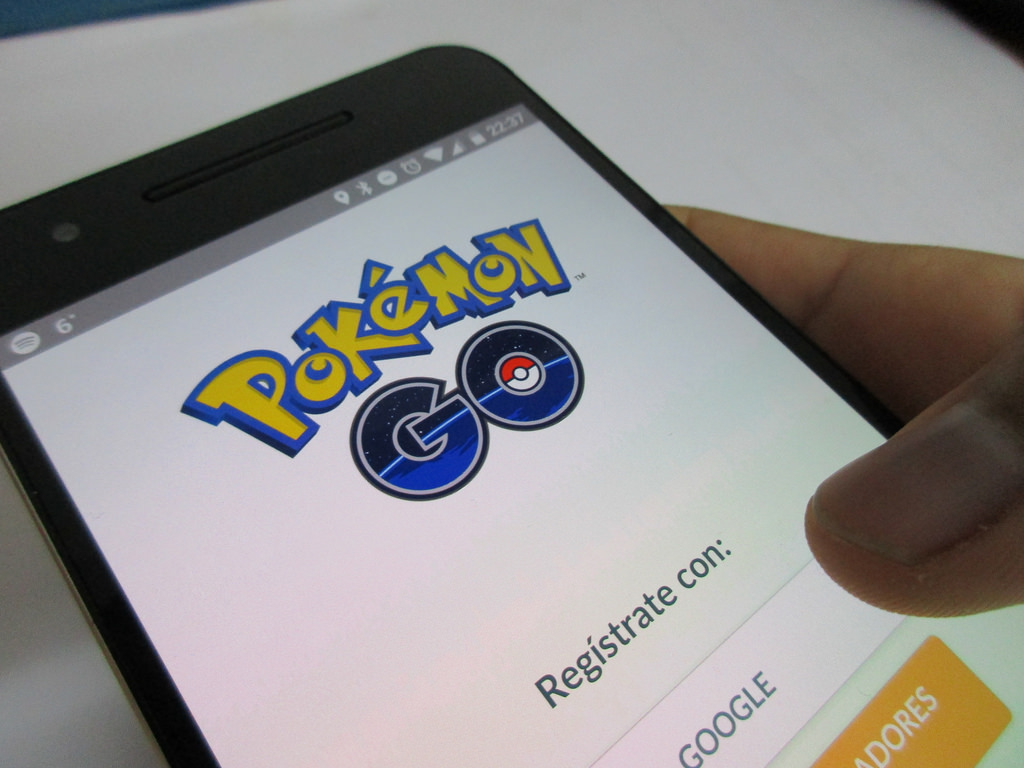
Niantic is most famously known for its "Pokémon Go" augmented reality mobile game, which briefly became an international sensation in 2016. These days, the fervor around the game has died down a bit, but the studio is still making decent money. In recent video demonstrations, however, it seems Niantic is ready to set the world on fire again with an AR technology that might just represent the future.
In one of the clips, Niantic shows off two versions of its AR technology for its "Pokémon Go" game. One is the standard version that gamers can have access to right now. It features a Pikachu that running around while superimposed on a real-world street with people. The super popular mascot of the entertainment property is noticeably positioned unnaturally, especially as it interacts with bushes.
With the second version that features a technology called “Niantic Occlusion,” however, Pikachu becomes noticeably more interactive. It avoids people, seems significantly more reactive, and most importantly, it is able to disappear behind real-world objects. Anyone who has been playing "Pokémon Go" recently will notice these differences right away. They can almost be jarring.
In another clip, Niantic shows off something called “Neon,” which is a new cross-platform IP that also uses AR technology. The premise of the game is simple. Run around collecting white orbs and use those balls to shoot at others. The player with the highest score wins.
Looking at these examples, it’s easy to see the profound changes that they could effect in the world of AR. One of the reasons behind the massive, if short-lived, global popularity of "Pokémon Go" was how fresh and new it seemed to mobile users. This new development might just ignite the interest of players again for the game to reach its previous heights.
Other than "Pokémon Go," Variety notes that the technology could be used for “Harry Potter: Wizards Unite,” which is something that Niantic is also reportedly working on. The studio has chosen not to comment on that prospect yet, but looking at “Neon,” dueling with magic using smartphones is an almost inevitable reality.